Mission Unlock | Ep 4: Why did Grandma hide her call button?
'Mission Unlock' uses real stories and everyday scenes to explain the development logic behind China's 15th Five-Year Plan. Through stories of industry, people and lived experience, it offers global audiences a more relatable, accessible look at China's next stage of development.
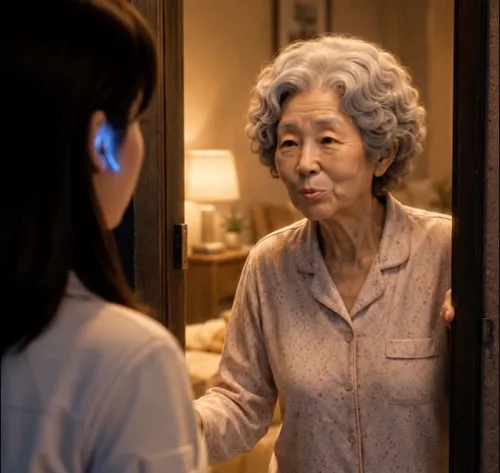
In the fourth episode of Mission Unlock, Mina is tasked with reviving an eldercare service node following the detection of irregular health conditions in an elderly woman who lives alone and has not utilized her emergency call device for an extended period. Upon her arrival, Mina discovers the issue is not the woman's lack of familiarity with the device or her need for assistance; it is her concern about imposing a burden on her family and the fear of appearing incapable of managing her own life independently.
This insight prompts Mina to understand that age-friendly services encompass much more than mere health monitoring and emergency support. They must provide tailored, accessible, and thoughtful solutions that cater to the diverse needs of older individuals, including health consultations, meal services, emotional companionship, cultural activities, and social engagement.
These services aim to facilitate safer, more convenient, and more fulfilling lives for seniors. China's 15th Five-Year Plan (2026-2030) outlines initiatives to enhance the well-being of older adults, foster the silver economy, and expand the availability of age-friendly products and eldercare services. True age-friendly development is not merely about providing care and protection to older people; it is about empowering them to receive support with dignity, maintain connections with their communities, and pursue a fulfilling life in their later years.
Written by urgent.news from IOL's reporting — not their text. Machine-written — may contain errors; check the original before relying on it.