Microsoft-backed Three Mile Island reboot meets data centre backlash
A 262-tonne transformer that had been shipped from South Korea arrived in Pennsylvania this week as the US state pushes ahead with plans to revive the Three Mile Island nuclear reactor . The restart of the plant, which suffered a partial meltdown in 1979, has emerged as a crucial test to see whether the tech companies driving the artificial intelligence race can build new power sources without…
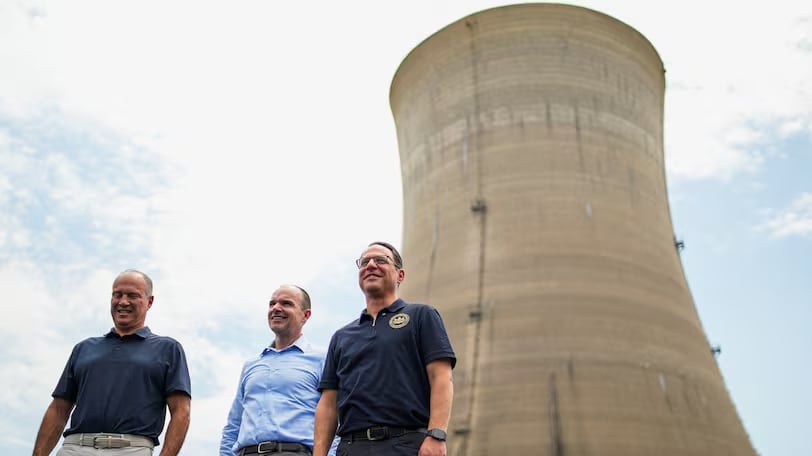
A 262-tonne transformer, transported from South Korea, recently arrived in Pennsylvania as the state continues efforts to restart the Three Mile Island nuclear reactor. The revival of the plant, which experienced a partial meltdown in 1979, has become a critical assessment of whether tech firms leading the artificial intelligence (AI) industry can construct new energy sources without provoking further public outrage, particularly due to rising energy expenses and environmental worries.
On Wednesday, the company in charge of the Three Mile Island refurbishment, Constellation Energy, released footage of the first of three enormous transformers reaching the site in Middletown, Pennsylvania, via a large truck. Constellation Energy is reviving Unit 1 of the reactor and has rebranded it as the Crane Clean Energy Centre.
The plans for restarting Unit 1 are tied to the AI boom, which requires energy to support the surge in data centers that aid in managing increasing processing demands.
This initiative stems from a 2024 agreement between Constellation Energy and Microsoft, with the latter agreeing to a 20-year power purchase contract to supply electricity for its data centers. However, the public's perception of AI and data centers has shifted, leading to a significant backlash against the construction of data centers as US midterm elections approach in November.
Communities are dissatisfied with the noise data centers generate, their excessive water usage for cooling, and the increasing electricity bills. Voters are also growing increasingly wary of AI's potential impact on the job market.
Pennsylvania Governor Josh Shapiro, a Democrat, has acknowledged the public's growing dissatisfaction with data centers by signing new rules and regulations that could make developers more accountable to local residents and increase the difficulty of building new facilities without meeting specific requirements. Despite the recent restrictions on data center development, Shapiro remains supportive of restarting Three Mile Island's Unit 1, which has been offline since 2019.
According to a representative from Shapiro's office, the governor advocates for various energy sources, including nuclear, and believes the Three Mile Island restart addresses AI-related concerns by ensuring Microsoft contributes energy to the grid.
Nevertheless, the Constellation Energy and Microsoft partnership continues to raise concerns. Paul Epstein, president of TMI Alert, a grassroots energy safety organization in Pennsylvania, opposes the restart of Unit 1 at every opportunity. Epstein objects to the $1 billion taxpayer loan given to Constellation last year to expedite the restart and questions the use of water from the nearby Susquehanna River.
He notes that, while the Susquehanna River Basin Commission approved increased water consumption at Three Mile Island, almost all 440 public comments were against this proposal. Epstein asserts that, despite Governor Shapiro's endorsement of the Three Mile Island restart, the anti-AI sentiment will likely grow stronger, particularly ahead of the 2026 elections.
Epstein contends that blindly supporting data centers and nuclear power has resulted in increased electricity costs and water depletion, and that TMI Alert is currently challenging various aspects of the reactor's restart in federal court.
Written by urgent.news from The National Business's reporting — not their text. Machine-written — may contain errors; check the original before relying on it.
This story
This is one outlet's version. Read the fullest account.
- Microsoft-backed Three Mile Island reboot meets data centre backlash thenationalnews.com