Meet the scientists 3D printing corneas to restore people's vision, potentially filling a worldwide shortage of transplantable tissue
New 3D-printed corneal implants could help make up for the shortage of donor corneas available for transplant procedures, say Precise Bio co-founders Aryeh Batt and Dr. Anthony Atala .
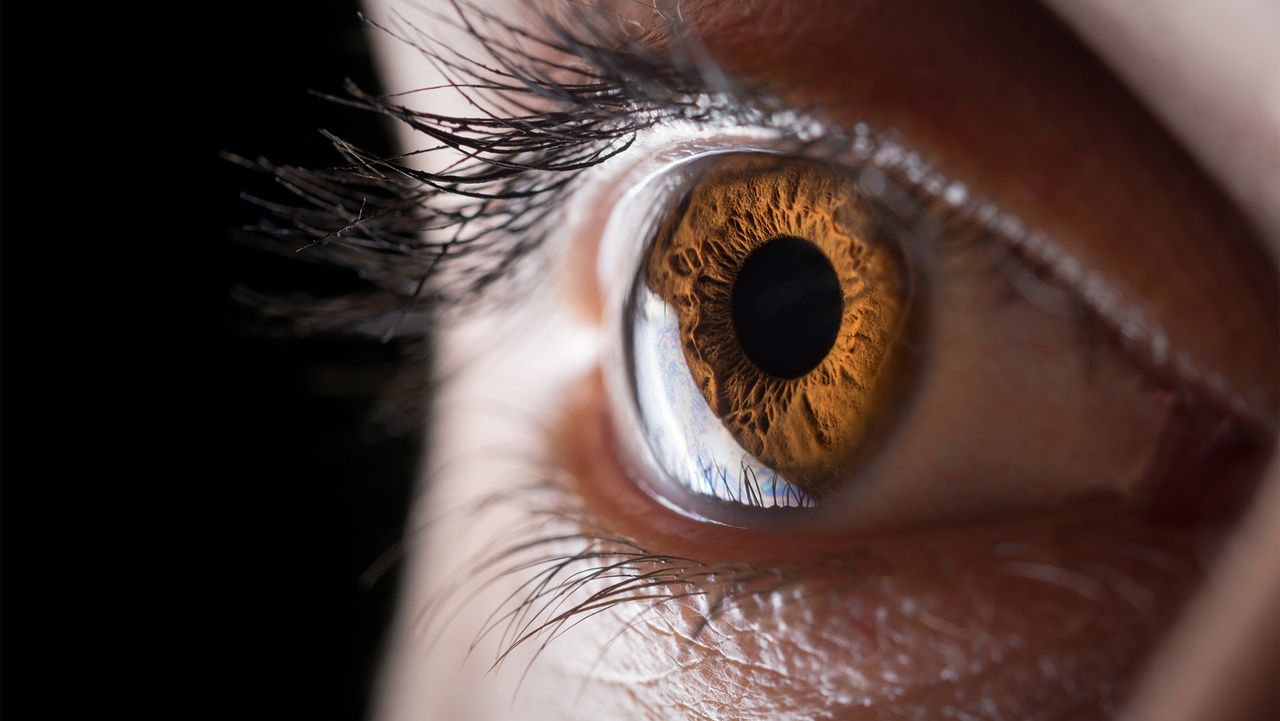
Scientists have successfully created the first-ever corneal implant made entirely from human cells grown in a laboratory, potentially addressing a worldwide shortage of transplantable tissue. Corneal transplants are used to treat severe corneal scarring, inflammation, eye injuries, and complications from eye surgeries. Traditionally, donor corneas are collected from organ donors after death, but this lab-grown approach could alleviate the scarcity of donor corneas.
Current cornea transplant procedures rely on donor tissue, which is screened, tested, and preserved before transplantation, usually within a couple of weeks. However, there is a significant worldwide shortage of transplantable corneas, leaving many patients without access to the necessary tissue. For every cornea transplant performed globally, roughly 70 people remain without a transplant due to the lack of donor corneas, with between 12 million to 15 million people worldwide in need of this treatment.
Precise Bio, an Israeli regenerative medicine company, has developed a 3D bioprinting technology that could help resolve this issue. By using a donor cornea as the first product, Precise Bio isolates cells and creates a proprietary process for proliferating and expanding them. From a single donor tissue, they can generate enough cells to fabricate over 400 new corneas, effectively addressing the shortage of donor tissue related to corneal transplants.
Their tissue also has unique mechanical properties, shorter operating times for surgeons, and a superior optical outcome compared to traditional donor tissue.
The company's approach involves isolating cells from a donor cornea, proliferating and expanding them, and then fabricating the tissue using a 3D bioprinting system. This process combines human cells with natural materials like collagen and ECM (extracellular matrix) to create a transparent, layered structure that closely resembles a natural cornea. By printing the cells in a precise anatomical arrangement, the tissue achieves an optimal cell density, leading to improved optical performance.
Precise Bio emphasizes that their tissue undergoes rigorous quality control testing, including checks for viruses and fungi, ensuring a safe and reliable product for patients. While laboratory and animal studies show promising results, human clinical trials are still ongoing, and the efficacy of the printed tissue compared to traditional donor tissue remains to be confirmed.
Nonetheless, this innovative approach holds great potential in reducing the worldwide shortage of transplantable corneas and improving access to vision-restoring treatments.
Written by urgent.news from Live Science's reporting — not their text. Machine-written — may contain errors; check the original before relying on it.