Mark Zuckerberg purchases castle estate in Ireland, close to Europe Meta HQ
The Facebook founder bought Strancally Castle, built in 1830 and extensively renovated in 2003, according to a state heritage service.
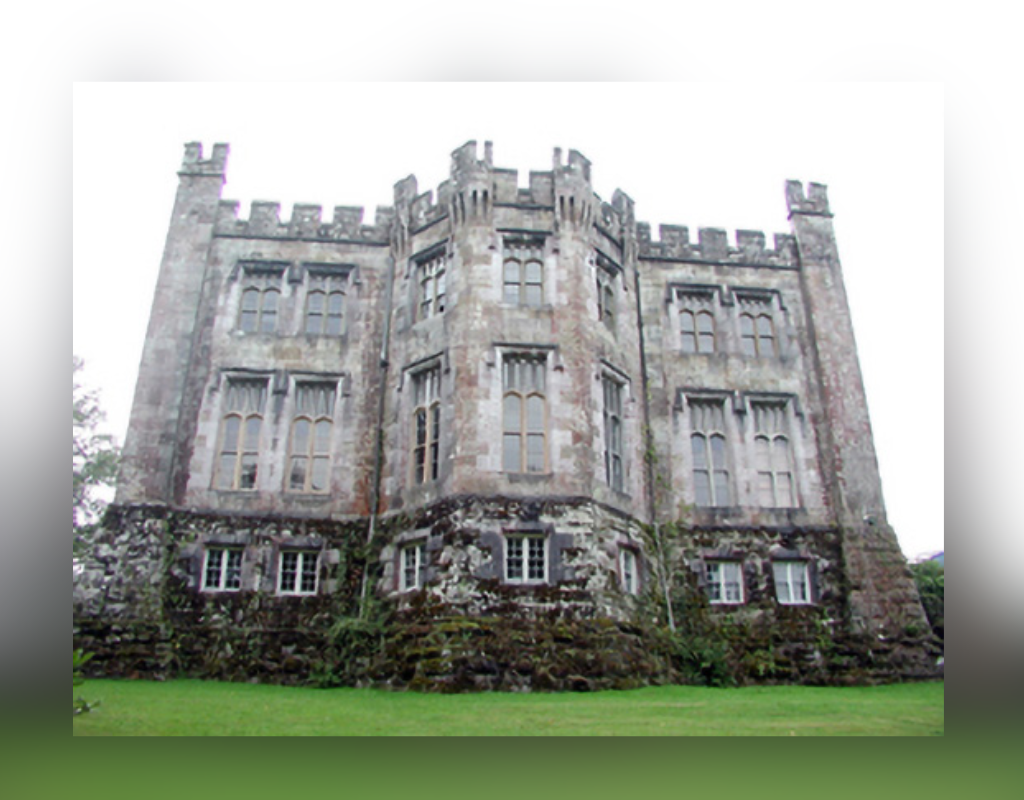
Meta CEO Mark Zuckerberg has acquired a 440-acre 19th-century Gothic-style castle in southeast Ireland, situated approximately 200 kilometers from his company's European headquarters in Dublin. The castle, named Strancally Castle, was built in 1830 and extensively renovated in 2003, as confirmed by a state heritage service. The purchase was reported by the Irish Times, estimating the property's value between 20 million euros and 30 million euros. Reuters and The Guardian independently confirmed Zuckerberg's ownership of the castle.
The reported price of Strancally Castle is equivalent to 10 percent of the cost of Zuckerberg's 350-foot yacht, which he purchased for $300 million, according to Yachtworld. The yacht recently garnered attention after reportedly refusing to respond to a distress call from a nearby boat. A spokesman for Zuckerberg expressed excitement for the family to continue caring for the historic home and spending time in Ireland.
Meta employs around 1,500 people in Ireland, serving as a European base for several U.S. tech giants, such as Google, Microsoft, Amazon, and Apple, due to the country's favorable tax regime. Zuckerberg joins a select group of billionaires who own castles in Ireland, a nation home to an estimated 30,000 castles.
Notable among these owners are American businessman John Malone, who owns Castlemartin House and Estate in County Kildare, and Sir James Dyson, the founder of Dyson, who owns Ballynatray House near Zuckerberg's new castle. Additionally, Oscar-winning actor Jeremy Irons and American author, producer, and filmmaker Christy Cashman own historic castles in Ireland, having restored them to their former glory.
The Crown actor Dominic West and his wife also rescued and renovated Glin Castle in Limerick to prevent it from being sold. Castles in Ireland, dating back to medieval times, are legally protected but can be privately owned, albeit with certain restrictions on modifications.
Written by urgent.news from Global News's reporting — not their text. Machine-written — may contain errors; check the original before relying on it.