Learn kanji and rebuild a shattered world, one ukiyo-e print at a time
Worlds Upon the Wind combines language learning, Japanese art and a story of acceptance for a slow-burn, meditative gameplay experience.
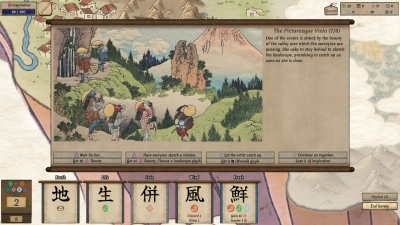
Worlds Upon the Wind, a unique game crafted by Russian-Jordanian developer Max Shawabkeh, presents a dystopian scenario where the world has been shattered into 10,000 fragments due to an environmental catastrophe. Contrary to expectations, the game is not a high-budget spectacle but a tranquil, methodical journey that blends elements of digital card games with language-learning software, all rendered in an art style reminiscent of ukiyo-e and emaki.
The protagonist, a detached deity-like entity, begins in a cloud-bound landscape, observing the fragmented world. To restore the world, players utilize a deck of kanji-emblazoned cards, each bearing essences that empower the player to construct, traverse, or acquire resources.
Written by urgent.news from Japan Times's reporting — not their text. Machine-written — may contain errors; check the original before relying on it.