Latvia resumes naming firms trading with Russia or Belarus after nearly three years
A new monthly register identifies Latvian businesses that traded goods with Russia or Belarus in July, without alleging that they violated sanctions.
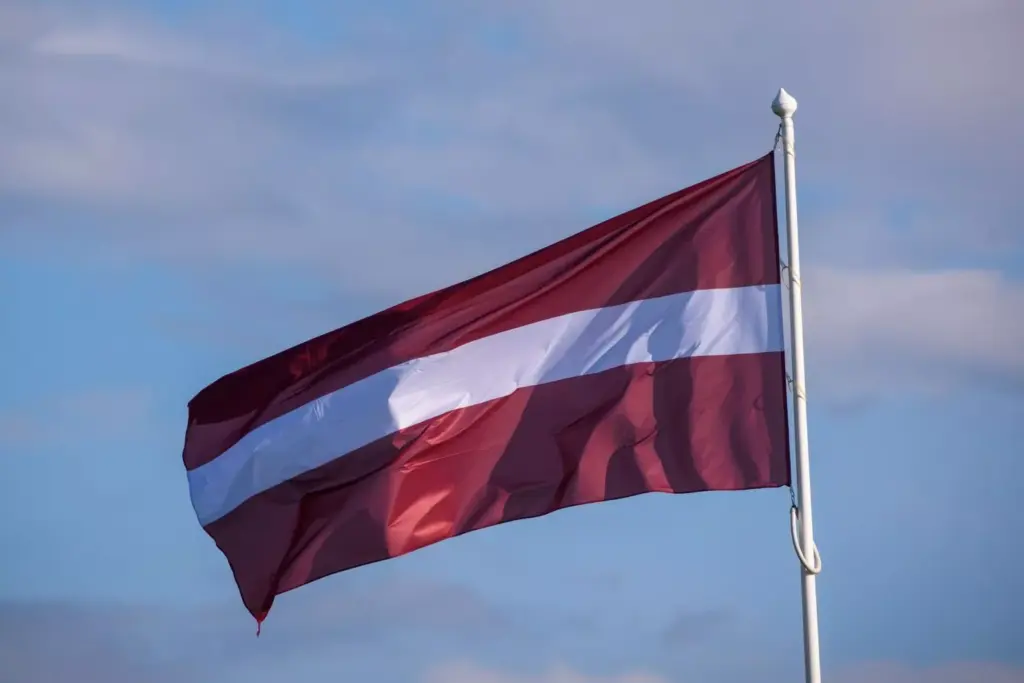
Latvia has restarted monthly listings of businesses engaged in trade with Russia or Belarus, following a three-year hiatus, according to LSM's public broadcaster. Prime Minister Andris Kulbergs aims to eliminate the country's remaining economic links with the two nations, though significant trade continues due to the EU's sanctions not being a complete embargo.
The monthly register exposes this commerce by listing the involved companies. The Central Statistical Bureau, Latvia's national statistics agency, released the names of 171 firms for July. An analysis by Latvian news agency LETA revealed that over two-thirds of these companies work in logistics, food and agriculture, or medicine.
This move serves a form of naming and shaming, but the statistics bureau ceased publishing a similar list in autumn 2023 due to limitations in drawing objective conclusions with names without transaction details. The register does not constitute a sanctions blacklist, and inclusion does not imply a sanctions violation. On 18 June 2026, an amendment mandating Latvia's tax authority to send monthly data to the statistics bureau and lifting tax-confidentiality rules was adopted.
The bureau's explanatory note indicates that the disclosure aims to support Ukraine. The authors argue that Latvian companies should not contribute to the state revenues of Russia and Belarus while Russia's invasion persists. While the Prime Minister vowed in June to sever Latvia's remaining economic ties with Russia and Belarus, he suggested that pharmaceutical exporters might be exempted due to national-security considerations.
In 2025, Latvia's exports to Russia and Belarus declined by about 7%, while imports from Russia dropped by more than two-thirds, as per official data cited by Euromaidan Press. EU sanctions do not prohibit all trade, as the Council of the EU extended its economic sanctions on Russia until July 2027, preserving restrictions on trade, finance, energy, and goods and technology with both civilian and military applications, while excluding health, pharmaceutical, food, and agricultural products to prevent harming Russian civilians.
This allows EU companies to continue lawful trade with Russia even as the rest of its economy remains under sanctions in response to Ukraine's invasion.
Written by urgent.news from Euromaidan Press's reporting — not their text. Machine-written — may contain errors; check the original before relying on it.