Kaedah alternatif kepada aktivisme mahasiswa mengubah universiti
Saya kira kesilapan besar mahasiswa Malaysia adalah mereka fikir umur mereka yang muda tidak perlukan apa-apa nasihat dari kami orang tua.
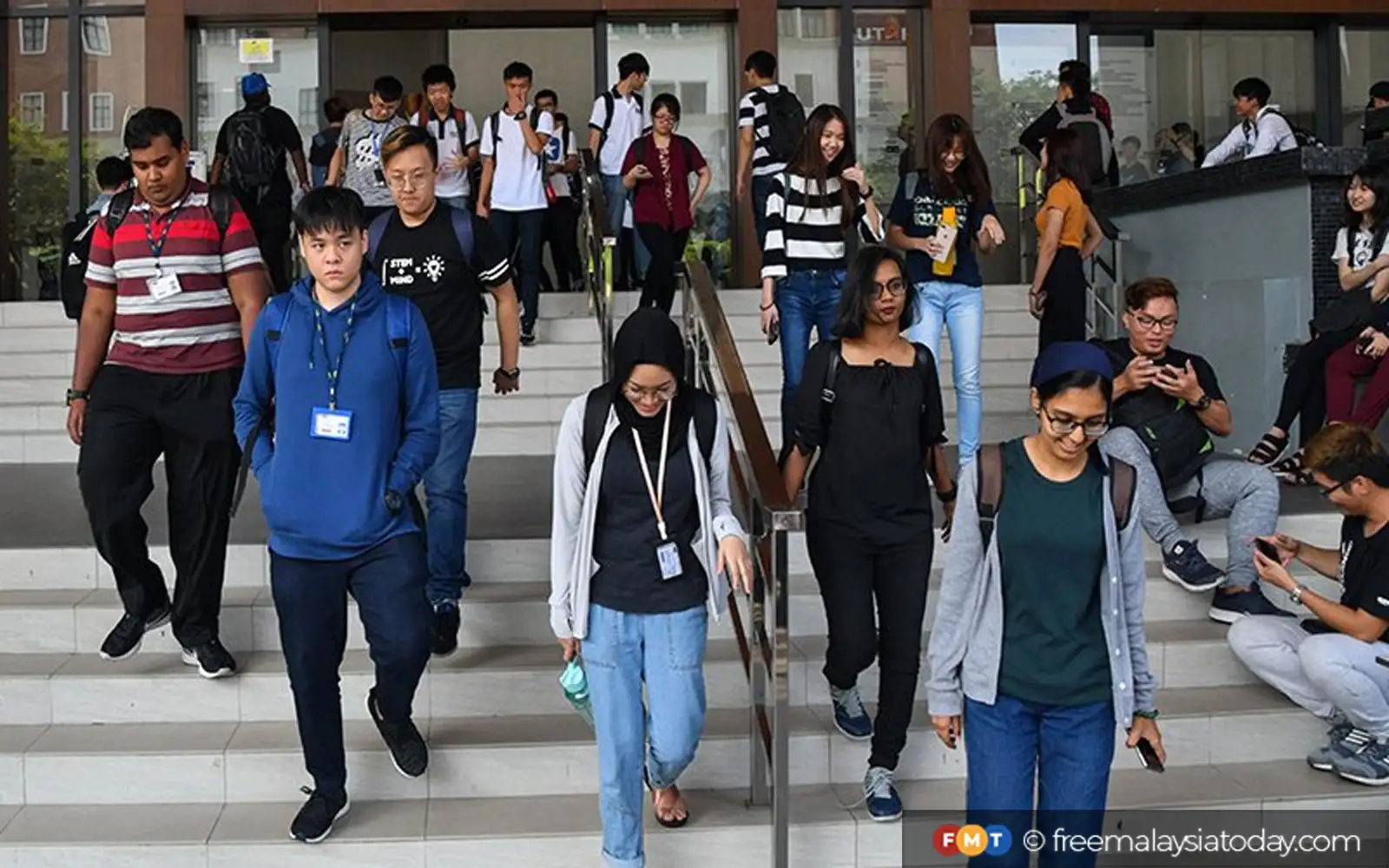
This article proposes alternative methods for students to transform the university atmosphere into one that encourages open expression and sharing of opinions. Modern students often employ discourteous methods such as harassment, insults, and public rallies, spreading issues without context or reliable facts. This approach bears resemblance to the activism tactics of Anwar Ibrahim during his time at the University of Malaya in the 1970s.
In my view, such methods do not reflect professionalism and fail to instill effective communication etiquette or foster the desired outcomes.
Instead, I propose a more professional, courteous, and impactful approach. Firstly, students should conduct thorough research on the issue at hand, seeking empirical data rather than relying on media interviews or unstructured comments from unnamed sources. At university, I and other academic instructors teach problem-solving techniques.
Before resolving any issue, there must be a clear problem statement and a contextual understanding of the current situation. Once the problem statement is outlined and supporting data is presented, the work can be submitted to the Ministry of Higher Education in a cover letter. This letter is crucial as it demonstrates professionalism and cultural decorum.
An appropriate phrase should be included, such as "we respectfully request a private meeting with ...".
During the meeting, it is essential to maintain etiquette—presenting the issue clearly and answering questions accurately and professionally without displaying any emotions. This is a professional approach, not a last-minute political rally or campaign. The meeting should result in documented findings shared with both the minister and the student, expressed in a unified statement.
Personal conversations and opinions during the meeting should be kept confidential. Only the expressed understanding or disagreement with the meeting's outcome can be communicated outside the meeting in a written statement. The written and agreed-upon statement should clearly distinguish between facts and personal interpretations.
Both facts and interpretations must be clearly defined. Media can report shared understandings or decisions, as well as personal interpretations or reactions to the decisions. Students should avoid making statements that appear as popular votes, apologies, or promises, as this will undermine their position. If students remain unsatisfied with the meeting, they can request a private meeting with the Prime Minister to review the meeting's findings.
This is the professional and courteous protocol. If students demonstrate disruptive behavior during the meeting, such as appealing to political leaders through statements, insults, and personal slogans, it will have negative implications. In the corporate world, any industry or organization that encounters such immature student behavior will not offer employment or opportunities to this individual.
All organizations will view the student as lacking understanding or respect for professionalism, etiquette, and discussion protocols, and therefore, cannot trust their future professional potential. Demonstrations, chanting slogans, and burning images of the Prime Minister are immature methods of change and only burn the individual's reputation.
Individuals who disrespect elders, educated people, and a veteran political leader do not deserve to be seen or heard. I do not compromise on this issue. If you do not treat me with dignity and respect confidentiality, I will have nothing to do with you! Politics and business require discussion and counterarguments. Without professional and courteous discussion, counterarguments will not occur.
Vulgar shouting, mockery, and discourteous pressure will not yield any results except populism and the suppression of future opportunities. If students do not know how to engage in politics for change, they should ask those in the highest leadership or academic positions for better strategies. In my opinion, the biggest mistake of Malaysian youth is thinking that their youthfulness exempts them from seeking advice from elders who know the problems.
One must reflect on their position, as elders hold key management roles. Change requires strategy, networking, and negotiation, not discourtesy, vulgar shouting, or insults. If this is the way to transform the university, it is better to leave and become a member of a political party that engages in popular and sensational statements for mere attention.
The work of change requires dedication, diplomacy, and professionalism. Change can also occur through voting, warfare, and conflict.
Written by urgent.news from Free Malaysia Today's reporting — not their text. Machine-written — may contain errors; check the original before relying on it.
This story
This is one outlet's version. Read the fullest account.
- Kaedah alternatif kepada aktivisme mahasiswa mengubah universiti freemalaysiatoday.com