Justice Has Always Been Selective. Trump Just Stopped Pretending Otherwise
US sanctions ICC judges over the Netanyahu warrant, deepening a broader assault on international institutions.
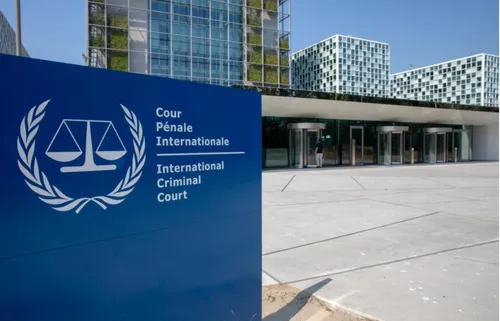
The United States has sanctioned a Japanese judge and a Senegalese lawyer for doing their jobs. Tomoko Akane, President of the International Criminal Court, and Abdoulaye Seye, a senior trial lawyer, are barred from entering the US and cut off from the American financial system. US Secretary of State Marco Rubio justified the move, claiming the individuals had "participated in efforts to investigate officials from countries that had not consented to ICC jurisdiction."
However, this logic is called "impunity," and Washington is its most powerful advocate. The International Criminal Court was established to prosecute the most grave crimes in the world, after the atrocities of the 20th century. The United States championed this idea but then decided the experiment was over when the court began doing exactly what it was designed to do.
The proximate cause of this was Israel, as the ICC issued an arrest warrant for Israeli Prime Minister Benjamin Netanyahu over the conduct of the war in Gaza. The US chose to sanction the judges involved instead of engaging through legal channels. The US has withdrawn from 66 international organizations, including key entities within the United Nations system.
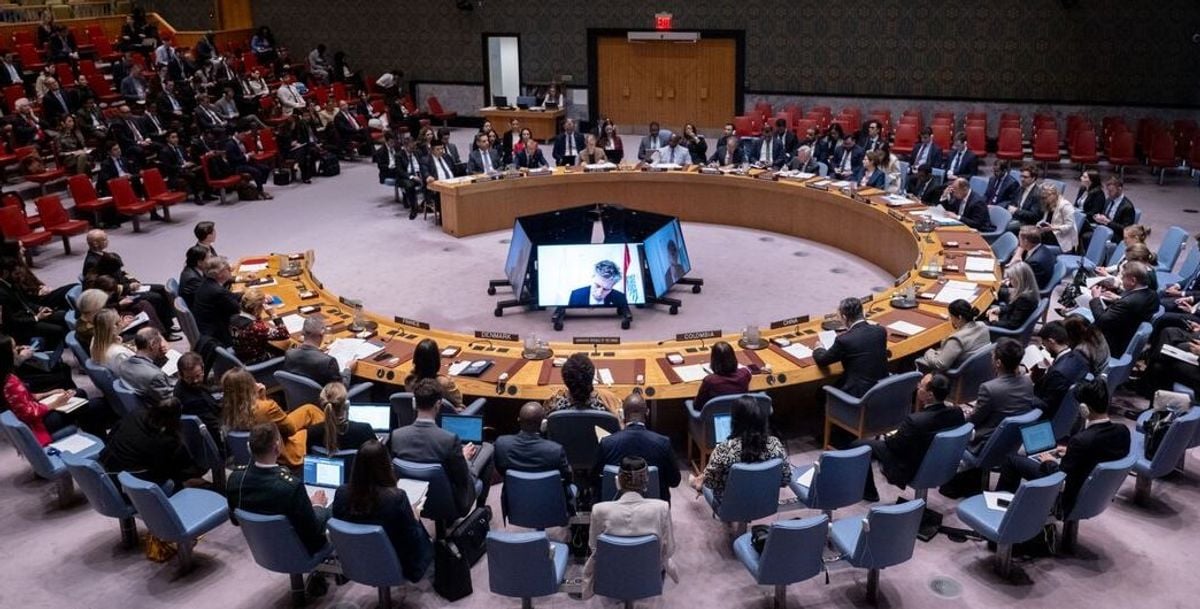
This demolition project directly threatens the capacity of agencies like the WHO to respond to global health crises. The US's selective approach to international institutions is evident, as it only objects when the outcomes are unfavorable. The power asymmetry between the US and smaller states dependent on it for defense, trade, and access to the dollar system means challenging this will carry existential risk.
The longer-term consequences of these actions are unclear, but the US has stated its commitment to blocking ICC investigations permanently. This decision has significant implications for South Africa, as the country played a role in negotiating the Rome Statute and its Constitution draws on the same body of international human rights law now under assault.
Written by urgent.news from IOL's reporting — not their text. Machine-written — may contain errors; check the original before relying on it.