Japan faces ‘nightmare scenario’ as it struggles to defend ICC judge
Japan has spent years casting the International Criminal Court as a pillar of the rules-based order. This week, its closest ally sanctioned the Japanese judge who leads it. The move has left Tokyo in an uncomfortable bind: defend Tomoko Akane, the Japanese president of The Hague-based court, and risk antagonising US leader Donald Trump, or temper its criticism and appear weak in the face of an…
Japan finds itself in a precarious position as it grapples with the controversial sanctions imposed on Tomoko Akane, the Japanese judge who heads the International Criminal Court (ICC). The International Criminal Court, a pillar of the rules-based order, has long been championed by Japan for its efforts to prosecute and punish serious crimes of concern to the international community. However, the sanctions announced by the United States against Akane and another ICC official have left Tokyo in a difficult bind.
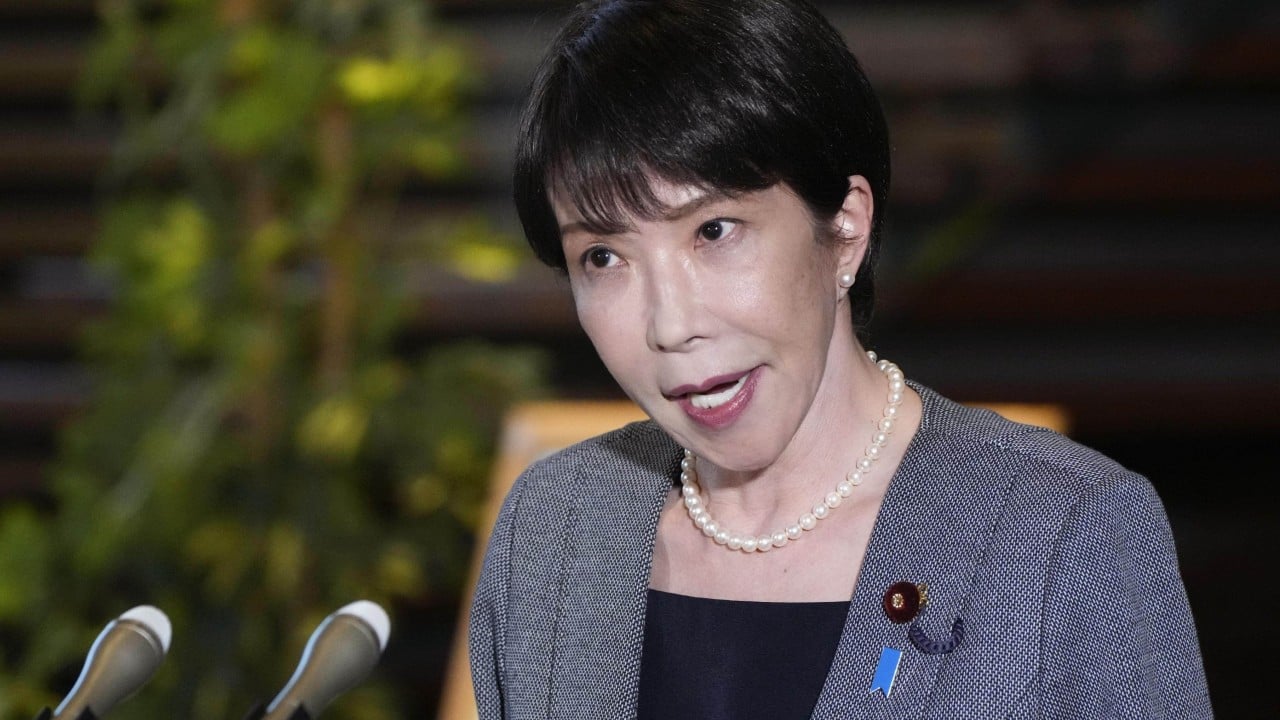
Washington's decision to sanction the ICC judge drew condemnation from the European Union, several European governments, and human rights groups. The United Nations Secretary General, Antonio Guterres, expressed serious concern over the sanctions. Prime Minister Sanae Takaichi of Japan described the sanctions as "deeply regrettable" and vowed to continue communicating closely with the United States and other countries involved.
The Foreign Ministry statement emphasized Japan's consistent support for the ICC and its commitment to strengthening the rule of law in the international community.
Analysts suggest that Japan's response to the sanctions is cautious due to its reliance on the US security umbrella and fears of further antagonizing President Trump. Jeff Kingston, director of Asian Studies at Temple University, noted that Japan is highly vulnerable and dependent on US support for its security. The sanctions target an institution that Japan has traditionally supported, and any criticism could be seen as threatening the country's security interests.
The sanctions also come at a time when China, Russia, and North Korea are increasingly aligning themselves against international institutions. For Japan, the risk of angering the United States over the court could have significant consequences for its security relationship and ability to deter threats in northeast Asia. The sanctions against the ICC judge have sparked anger in Tokyo, with Japan concerned that its core pillar of international relations efforts has been undermined.
Despite Japan's restrained language, analysts believe that Tokyo's risk of speaking out on the issue is significant.
Written by urgent.news from South China Morning Post's reporting — not their text. Machine-written — may contain errors; check the original before relying on it.