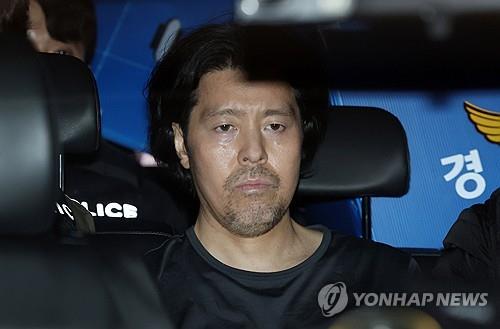
Japan executes man behind pachinko parlour arson that killed 5
Japan executed on Friday a man convicted of an arson attack on a pachinko parlour in 2009 that killed five people, authorities said. It was Japan’s first hanging since Takahiro Shiraishi, the “Twitter killer” who murdered and dismembered nine people, was put to death in June 2025. Sunao Takami, the man executed on Friday, doused a pachinko parlour – a popular game mixing pinball and a slot…
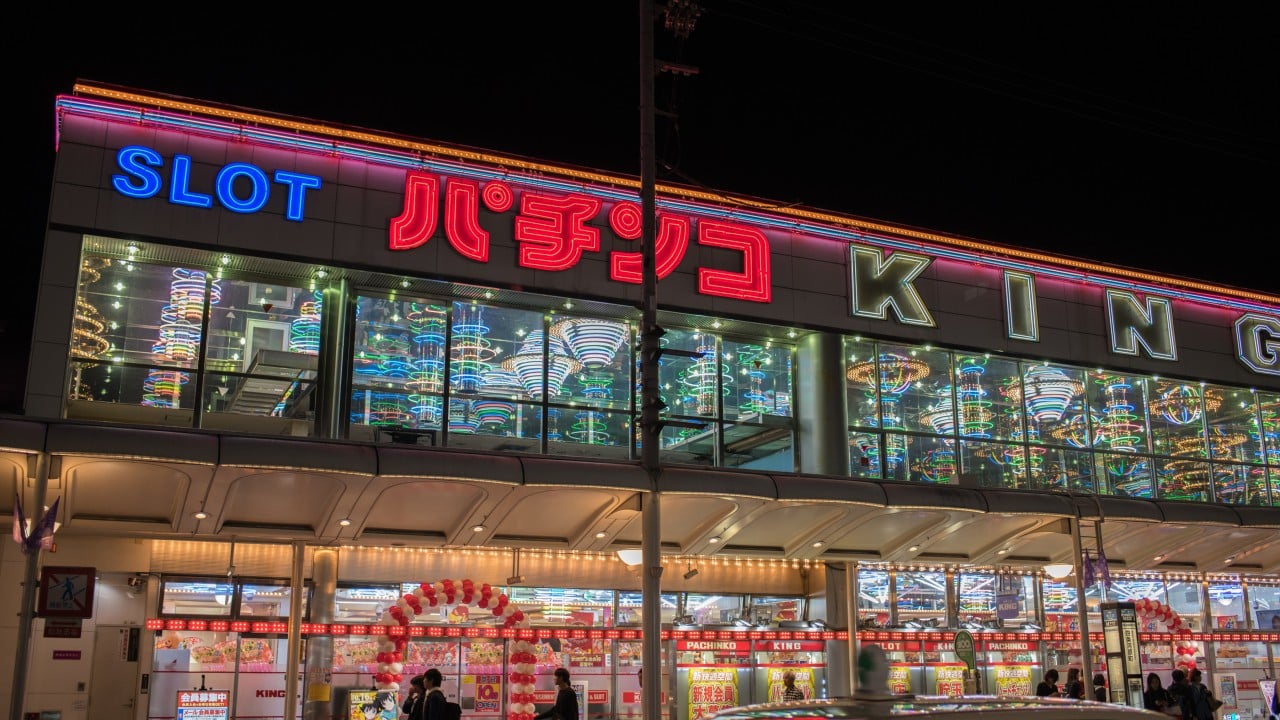
On Friday, Japan executed Sunao Takami, a man convicted of setting a pachinko parlour on fire with petrol in 2009. The incident killed four customers and an employee. This marks Japan's first execution since 2025, when Takahiro Shiraishi, known as the "Twitter killer," was put to death. Justice Minister Hiroshi Hiraguchi expressed deep concern over the incident, stating it sent shockwaves through society and instilled a sense of fear.
He emphasized that Takami was informed of his execution shortly before the event, adhering to Japan's standard practice. The decision to execute Takami came after extensive deliberation, as the minister sought to ensure the utmost consideration in the case. Japan and the United States are the only two G7 nations still employing capital punishment, with surveys indicating strong public support for the death penalty in Japan.
However, there is growing criticism of the system, with a survey showing a significant rise in those favoring abolition. Most death row inmates are only informed of their impending execution on the morning of the hanging, raising concerns about the potential emotional distress caused. Japan executed 15 people in 2018, including Shoko Asahara, the guru of the Aum Shinrikyo cult responsible for the 1995 subway sarin gas attacks.
The government is accused of a lack of transparency, as it did not disclose executed inmates' names until 2007. There have been instances of wrongful convictions, notably Iwao Hakamada, who spent decades on death row for a 1966 quadruple murder before his exoneration in 2024. Campaigners have highlighted what they term "hostage justice," where suspects endure lengthy pre-trial detention and coercion to confess.
Written by urgent.news from South China Morning Post's reporting — not their text. Machine-written — may contain errors; check the original before relying on it.