Islamabad chief commissioner again moves SC against ‘discriminatory’ order to shift Imran to private hospital
ISLAMABAD: The controversy surrounding the transfer of incarcerated PTI founder Imran Khan to a private hospital in Islamabad showed no signs of subsiding on Friday, as the Islamabad chief commissioner again approached the Supreme Court (SC), arguing that the move appeared discriminatory. The petition argued that the applicant had a direct, substantial and legally protected interest in the matter…
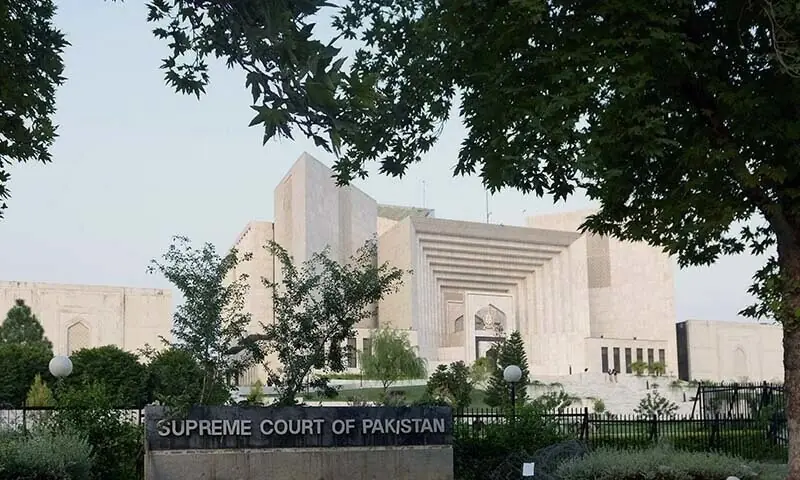
The controversy surrounding the transfer of former Pakistani Prime Minister Imran Khan to a private hospital in Islamabad continues to escalate, as the Islamabad chief commissioner filed another petition with the Supreme Court, contending that the order appeared discriminatory. Imran, who has been incarcerated since August 5, 2023, for concealing details of gifts received at Toshakhana, is currently serving a 14-year sentence at Adiala jail in a corruption case, also known as the Al-Qadir Trust case. His health has been deteriorating, leading to widespread concern from his party members.
A three-judge bench of the Supreme Court, presided over by Justice Shahid Waheed and including Justice Naeem Akhtar Afghan and Justice Ishtiaq Ibrahim, had ordered Imran's transfer to Shifa International Hospital within two days following several petitions concerning his health and family meetings. However, on August 20, the SC Registrar's office returned the review petition filed by the federal government, arguing that the contents of the affidavit and facts were improperly drawn and that one of the review petition's paper books was not in order.
The registrar directed the petitioner to resubmit the petition within two weeks, correcting the objections.
In response to the SC's directions, the chief commissioner filed a review petition under Article 188 of the Constitution, arguing that the August 18 order had a fundamental procedural defect and appeared discriminatory. The review petition contended that the Constitution guarantees the right to equal treatment under Article 25 and that the concept of discrimination and favoritism "abhors" such treatment.
According to the petition, the court's directions for Imran's treatment in a private hospital, based on a report that did not indicate any immediate medical need, would severely disrupt the criminal justice system. The petition also argued that similarly situated convicts would also demand the same special treatment, contradicting prison rules.
The review petition further contended that the August 18 order violated the scheme of prison rules set forth in Pakistan Prison Rules, 1978, which strictly regulate inmates' lives and affairs, ensuring their safety and well-being. The petition noted that prison rules do not recognize treatment in private hospitals, as it would expose inmates to external variables that could jeopardize their safety and sentence.
The rules only permit treatment, examination, accommodation, and keeping of inmates in prison hospitals or civil and district headquarter hospitals if necessary. The review petition argued that the SC had overlooked these statutory provisions in its order.
The review petition also contended that Section 561-A of the Criminal Procedure Code (CrPC) grants appellate courts the power to prevent abuse of subordinate court processes, but it does not offer a remedy for jail administration affairs. The petition argued that the relief sought by Imran, including a transfer to a private hospital, the establishment of a specialist medical board, and related directions, did not fall within the appellate court's powers under the CrPC.
Therefore, the review petition requested that the transfer order be recalled, as allowing similar relief to other convicts would create a precedent that undermines the criminal justice system.
Written by urgent.news from Dawn's reporting — not their text. Machine-written — may contain errors; check the original before relying on it.