Iraq Wants to Double Oil Output—and Needs OPEC to Get Out of the Way
Iraq wants to more than double its oil production within six years. First, it needs OPEC to let it. Baghdad is targeting output of between 8 million and 10 million barrels per day, up from roughly 4 million bpd before the Iran war, Prime Minister Ali al-Zaidi said Friday. Iraq dispatched its oil and finance ministers to Saudi Arabia the same day to make the case for a higher OPEC production…
Iraq aims to more than double its oil production over the next six years, from around 4 million barrels per day to between 8 million and 10 million barrels per day. This increase comes as the country seeks to more than double its oil production within six years. However, to achieve this goal, Iraq must first gain approval from OPEC, the Organization of the Petroleum Exporting Countries.
Prime Minister Ali al-Zaidi recently met with the country's oil and finance ministers in Saudi Arabia to argue for a higher production quota. OPEC has commissioned an independent assessment of the maximum sustainable production capacity for each member country, including Iraq. The consultancy firm, DeGolyer and MacNaughton, is expected to deliver its findings by the end of September, which will then set the stage for negotiations over production baselines for 2027.
These negotiations are often contentious, as higher baselines typically translate into permission to pump more oil. Iraq faces additional challenges in exporting its increased output, as it has been severely impacted by Iran's closure of the Strait of Hormuz, a key crude export route. Although Iraq has managed to resume some exports through this chokepoint, traffic remains far below pre-war levels.
To address this, Iraq plans to expand its exports through Turkey's Ceyhan port and pursue new routes via Syria's Baniyas and Jordan's Aqaba. However, the existing pipeline to Turkey only handles approximately 170,000 barrels per day, and a proposed pipeline to Syria would take four years and cost at least $15 billion. This highlights that Iraq's target is not only a drilling challenge but also an infrastructure one.
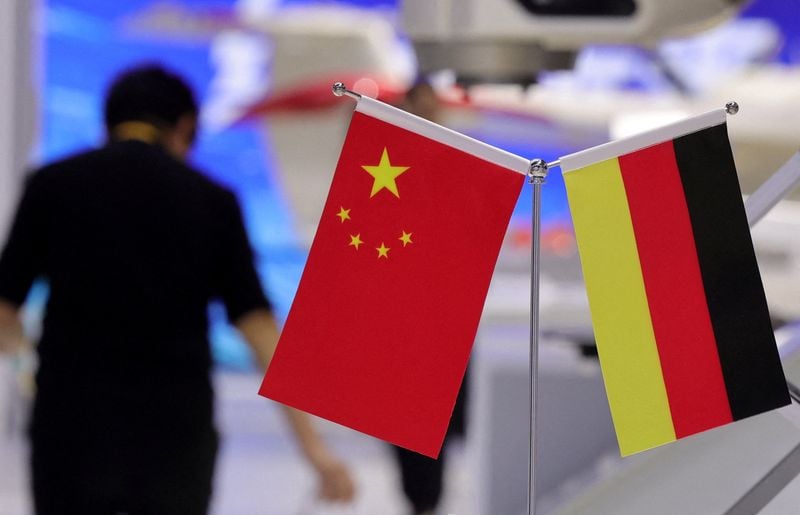
China has already been buying more Iraqi crude as Middle Eastern supply routes become increasingly fragmented, with recent purchases of 8 million barrels of Basrah Heavy and Basrah Medium.
Written by urgent.news from OilPrice's reporting — not their text. Machine-written — may contain errors; check the original before relying on it.