Interview: „Wenn Unternehmer die AfD normalisieren, machen sie sie salonfähig“
Die Historikerin Andrea Schneider-Braunberger hat erforscht, wie nah die Wirtschaft der NSDAP stand. Wie führte Opportunismus zum Mitmachen? Und was können Unternehmer heute daraus lernen?
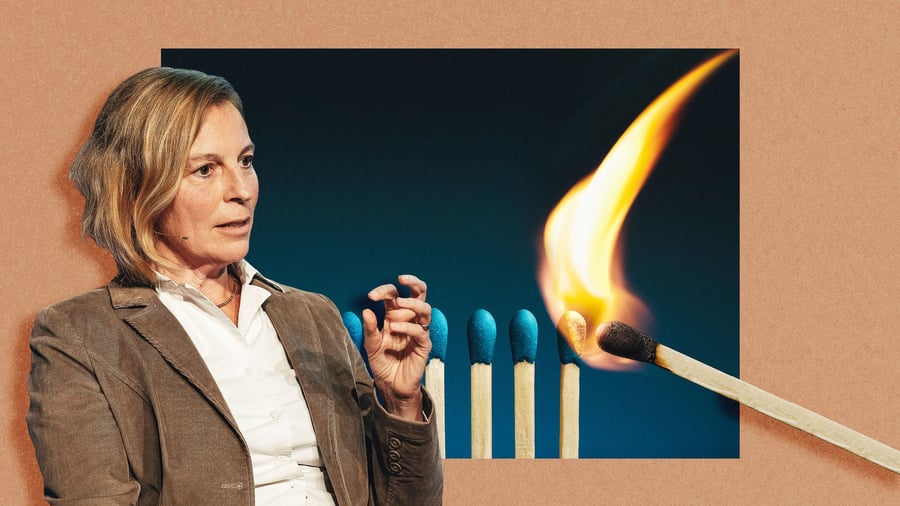
Historian Frau Schneider-Braunberger reflects on parallels between today's society and the period prior to the 1929 global economic crisis. She notes the shared uncertainty faced by workers and employers, which has led to societal divisions and tensions. She believes that entrepreneurs have a crucial role in fostering unity and positive impact within society.
While the AfD is not a direct successor to the NSDAP, Frau Schneider-Braunberger points out that the AfD references the NSDAP and the SED. She deems this a historical distortion and urges society to fully understand the entire party program rather than focusing solely on specific interests. She also warns that a lack of democratic accountability can quickly undermine a government's legitimacy, as demonstrated by the AfD in Sachsen-Anhalt.
Regarding the AfD's radicalism, Frau Schneider-Braunberger recalls that some Unternehmer initially embraced the party, believing that economic stability required collaboration. However, this changed dramatically in 1936/37 when resource and labor shortages became apparent. The source material highlights Fritz Thyssen and Friedrich Flick as early supporters of the NSDAP, but it notes that their financial contributions became less influential as the party integrated itself into the state.
Historically, Unternehmer played a significant role in the NSDAP's early stages, with figures like Fritz Thyssen and Friedrich Flick providing key financial support. However, Frau Schneider-Braunberger emphasizes that economic pressure was not a primary motivator for Unternehmer during this period. She urges Unternehmer to consider the impact of their support for political parties, particularly those with undemocratic tendencies.
Written by urgent.news from Handelsblatt's reporting — not their text. Machine-written — may contain errors; check the original before relying on it.