In Senegal's Saint-Louis, traces of slave-trading past fade away
A dilapidated two-century-old building in Saint-Louis, Senegal bears testament to the island's little-known past as part of the transatlantic slave trade, the traces of which are quickly and quietly disappearing from view. Located in the country's north, between the Atlantic Ocean and the Senegal River, the island is rarely mentioned in the history of the slave trade, even though it was a hub…
Saint-Louis, a Senegalese island situated between the Atlantic Ocean and the Senegal River, is a lesser-known site in the transatlantic slave trade. Despite being a major hub where tens of thousands of Africans were transported, the island's role has been downplayed compared to Senegal's famous Goree Island. Historians interviewed by AFP noted that the island was France's first trading post in sub-Saharan Africa, established in 1659, and served as the former capital of the French colonial empire in West Africa.
However, Saint-Louis' slave trade ties are more muted than those of Goree Island, which now boasts a major slave trade museum.
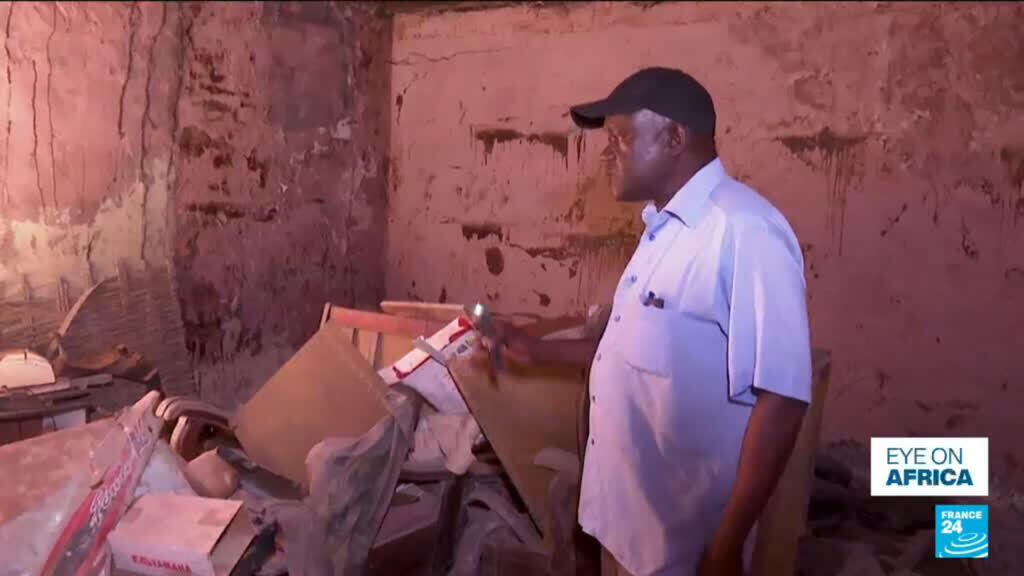
One of the few tangible reminders of Saint-Louis' historical connections to slavery is a dilapidated two-century-old building that once served as a slave depot. Inscribed on the building is a plaque stating that it houses the remains of the only preserved slave depot in Saint-Louis. Mamadou Diallo, a historian and teacher, explained that the building belonged to the Bordeaux-based trading company Maurel and Prom and was constructed between 1822 and 1825.
During the peak of slave trade activity in the 18th century, up to 10,000 enslaved people passed through Saint-Louis annually. The high-water season, from May to November, saw the largest number of captives transported. The building still retains its original wooden ceiling despite being overgrown with weeds and littered with debris. Today, it is owned by a Senegalese family.
Saint-Louis' slave trade role was not limited to the Maurel and Prom building. The island's grid-pattern streets also host former colonial mansions and trading houses that served as depots. Local expert Louis Camara noted that many of these structures have been converted and changed beyond recognition, making it difficult to identify their historical significance.
Written by urgent.news from Malay Mail's reporting — not their text. Machine-written — may contain errors; check the original before relying on it.
This story
This is one outlet's version. Read the fullest account.