How to print your favorite photos like it’s 1996
Like many people, I have a contentious relationship with the Memories feature on my iPhone, the AI-powered nostalgia machine that serves up photos and slideshows from deep in your camera roll, either reminding you of a beautiful day at the beach or surfacing an old photo of your ex. About once a month, for whatever […]
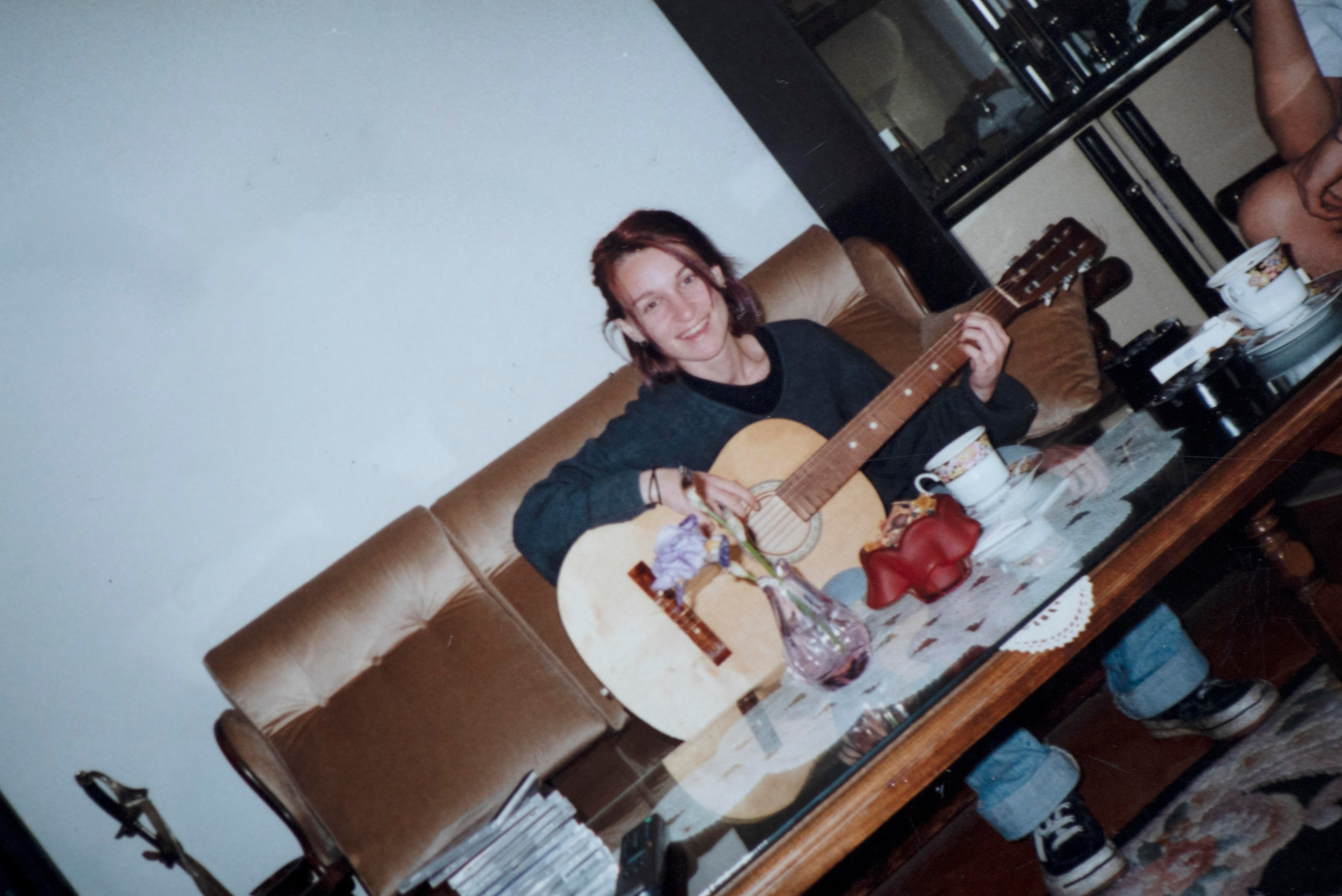
In a world dominated by digital memories, it's time to consider the value of printing our favorite photos. The Memories feature on iPhones, while convenient, often leads to a haphazard collection of images from various sources. The author shares how a stolen phone served as a catalyst for them to appreciate the importance of physical photo preservation.
Printing photos offers a tangible connection to the past and a way to share those memories with future generations. The process of curating and printing our photos creates a ritual that goes beyond merely uploading them to social media platforms. While digital backups allow for easy access and sharing, they often compress images and may change terms of service, potentially leading to loss of data.
Compared to scrolling through photos on a smartphone, sitting down with a family photo album is a more engaging and meaningful experience. It tells a story about a specific moment, creating a sense of connection and accessibility that is often missing when viewing images on a screen. Alumni and professor of photograph conservation, Debra Norris, emphasizes how photos on a phone can appear slightly detached from the viewers, whereas printed photos evoke a stronger emotional response.
To make the most of our photos, the author suggests curating them as we take them, favoriting the best ones to decide which to print later. This approach ensures that we only print our most cherished images, creating a personal collection that tells a unique story. Whether it's a family history album, wedding pictures, or a collection of prints to adorn your walls, printing our photos is an investment in preserving our memories and creating a legacy for future generations.
Written by urgent.news from Vox's reporting — not their text. Machine-written — may contain errors; check the original before relying on it.