How long could we possibly live? A new estimate is mind-boggling
Biogerontologists are exploring the upper limit for human life. A recent study has it verging on two centuries – but columnist Graham Lawton finds reason to be sceptical
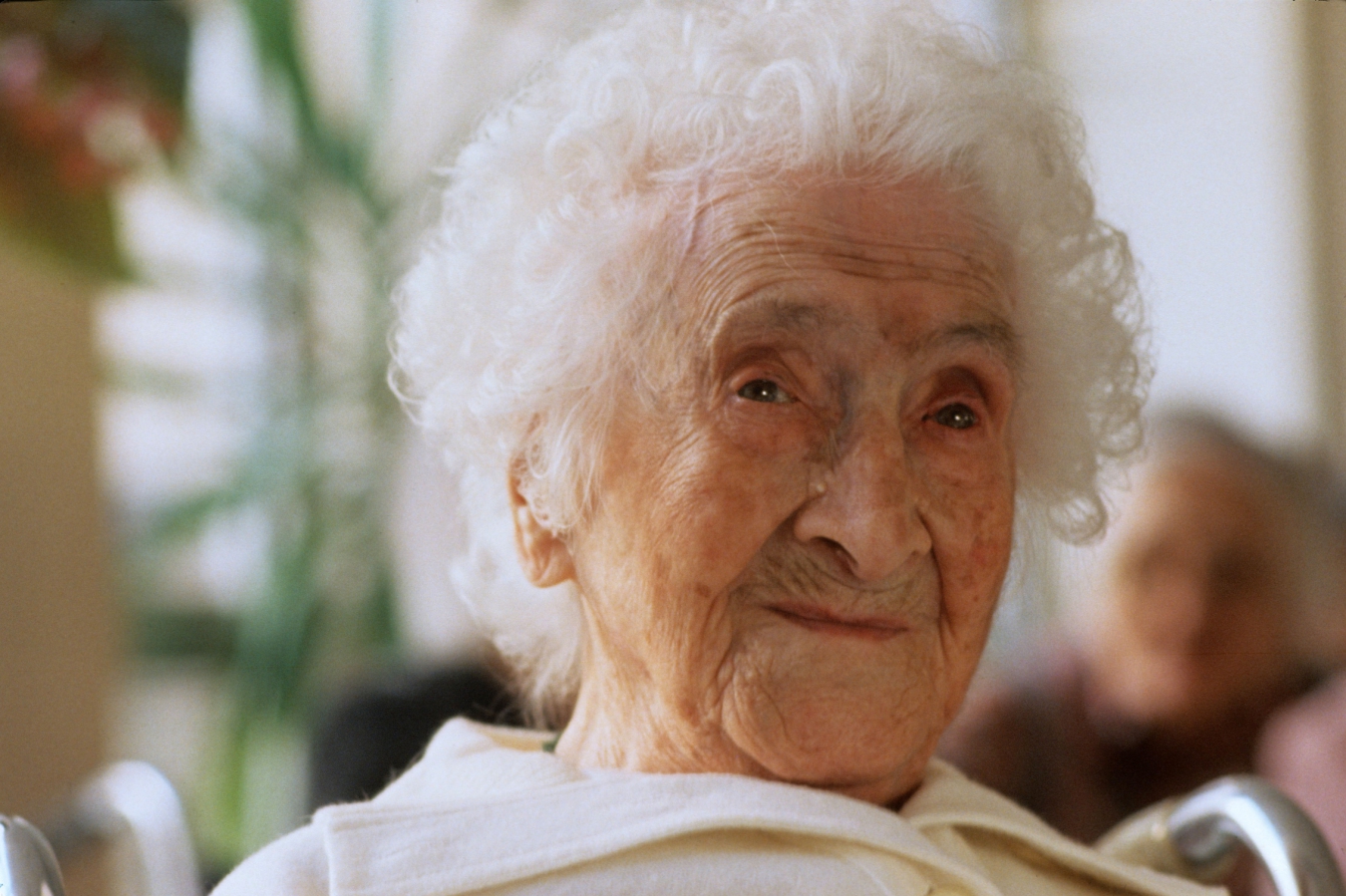
A new estimate of human longevity has taken many by surprise. In 1992, 122-year-old Jeanne Calment set the record for the longest human lifespan. However, some skeptics argue that Calment's record may be fraudulent. Regardless, Calment remains a significant data point in the study of biogerontology, the scientific discipline concerned with the biological processes of aging.
The question of how long humans can live has long puzzled scientists. The second-longest-lived person was Kane Tanaka, who lived to be 119 years and 107 days. Today, the oldest person alive is 117. However, these numbers are not definitive, as many factors can distort longevity data. For example, identity fraud or clerical errors in birth records could result in inflated or inaccurate age data.
Demographic studies suggest an estimated range of around 115 years for the maximum human lifespan, but this is not a definitive answer. Some researchers use computer modeling to predict the upper limit of human longevity. These models suggest that even with advanced medical treatments that cure all theoretically curable causes of aging, the maximum lifespan could reach 194 years.
Despite these estimates, there is still uncertainty about the true upper limit of human lifespan. One major factor is the accumulation of DNA damage over time, which can lead to cellular malfunction and death. If all these theoretically curable causes of aging could be cured, the maximum lifespan could increase to 194 years. However, this is unlikely to happen in the near future, and the exact causes of aging are still not fully understood.
In conclusion, while estimates of the maximum human lifespan vary, one thing is clear: a lot of room remains for improvement in longevity. However, the debate about a maximum human lifespan remains shrouded in uncertainty due to errors and frauds in demographic data, as well as a lack of understanding about the underlying causes of aging.
Written by urgent.news from New Scientist's reporting — not their text. Machine-written — may contain errors; check the original before relying on it.