Here’s how Bessent’s newly activist Treasury Department is undercutting the Fed’s Warsh
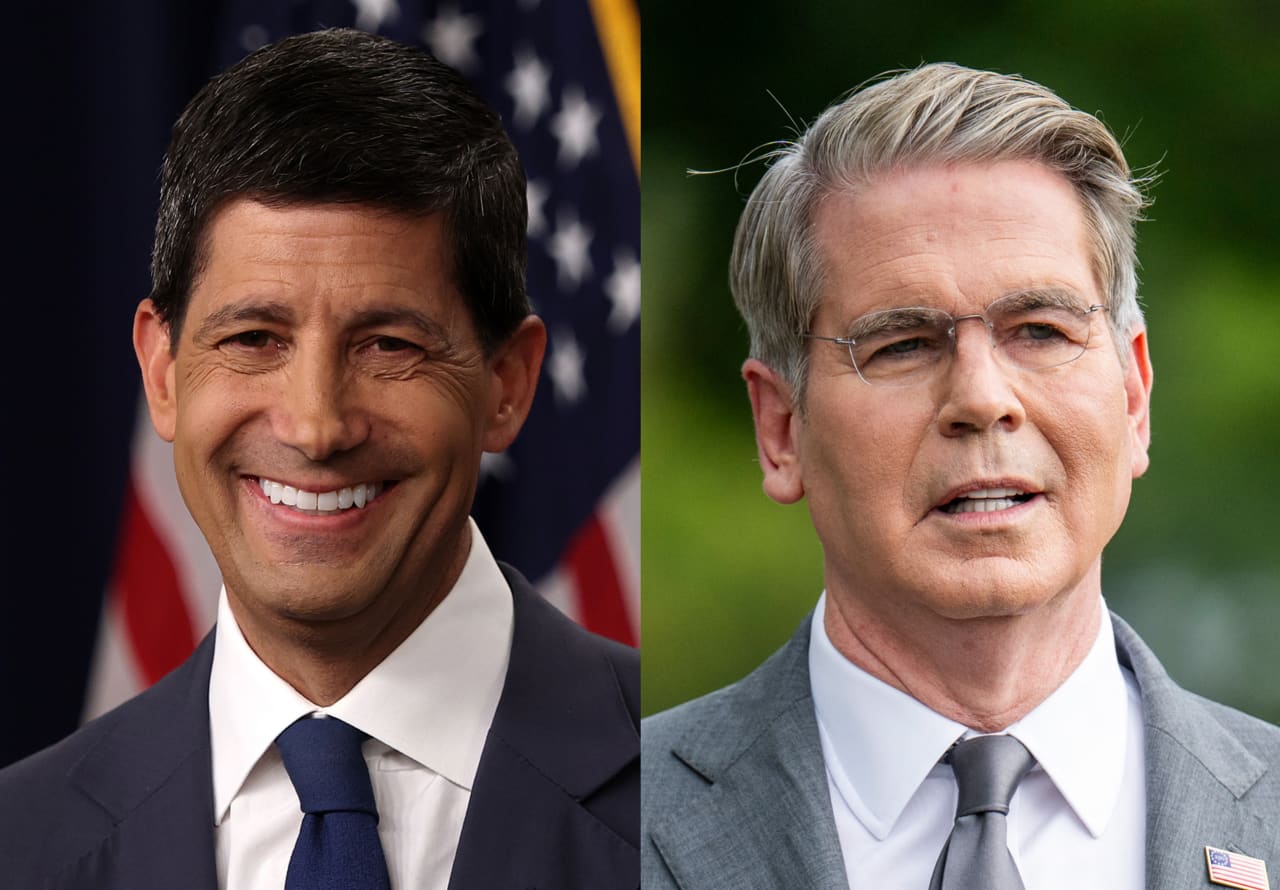
The surprising move this week by Treasury Secretary Scott Bessent to intervene in Treasury markets to lower the cost of government debt undercuts the credibility of Federal Reserve Chairman Kevin Warsh to make interest-rate policy, experts said.
Bond yields climbed for the second day in a row on Friday, signaling that the US Treasury's efforts to intervene have been ineffective. The 30-year Treasury yield rose to around 5.27%, nearing the 5.3% level that had caused market concern earlier in the week. The 10-year yield also increased by nearly 3 basis points, reaching over 4.73%.
Treasury Secretary Scott Bessent hinted at the possibility of further expanding the bond-buyback program, which is scheduled to commence on September 9 and continue until November 4. However, analysts remain doubtful that the Treasury's approach will succeed in lowering yields, as factors beyond its control continue to push yields higher. These factors include inflation fears, shifts in Federal Reserve communications, and an increase in corporate debt issuance.
BNP strategists, led by Guneet Dhingra, argue that the Treasury's measures are unlikely to counteract declining Federal Reserve credibility or rising rate expectations. The intervention may even complicate the Fed Chairman Kevin Warsh's task, as he appears to support higher yields as a means to raise borrowing costs and tighten policy through market forces rather than raising short-term rates directly by the Fed.
The Treasury Department also released data indicating that the national debt had surpassed $40 trillion, which coincided with their attempt to sell markets on the idea of issuing new debt to buy back existing debt. Critics argue that this is not a reduction in debt, but rather a reshuffling of existing debt rather than a genuine debt reduction.
Written by urgent.news from Yahoo Finance's reporting — not their text. Machine-written — may contain errors; check the original before relying on it.
This story
This is one outlet's version. Read the fullest account.