Greenland meltwater is intensifying European heatwaves
The cooling of the North Atlantic is creating waviness in the jet stream and high-pressure ridging over Europe, a study finds
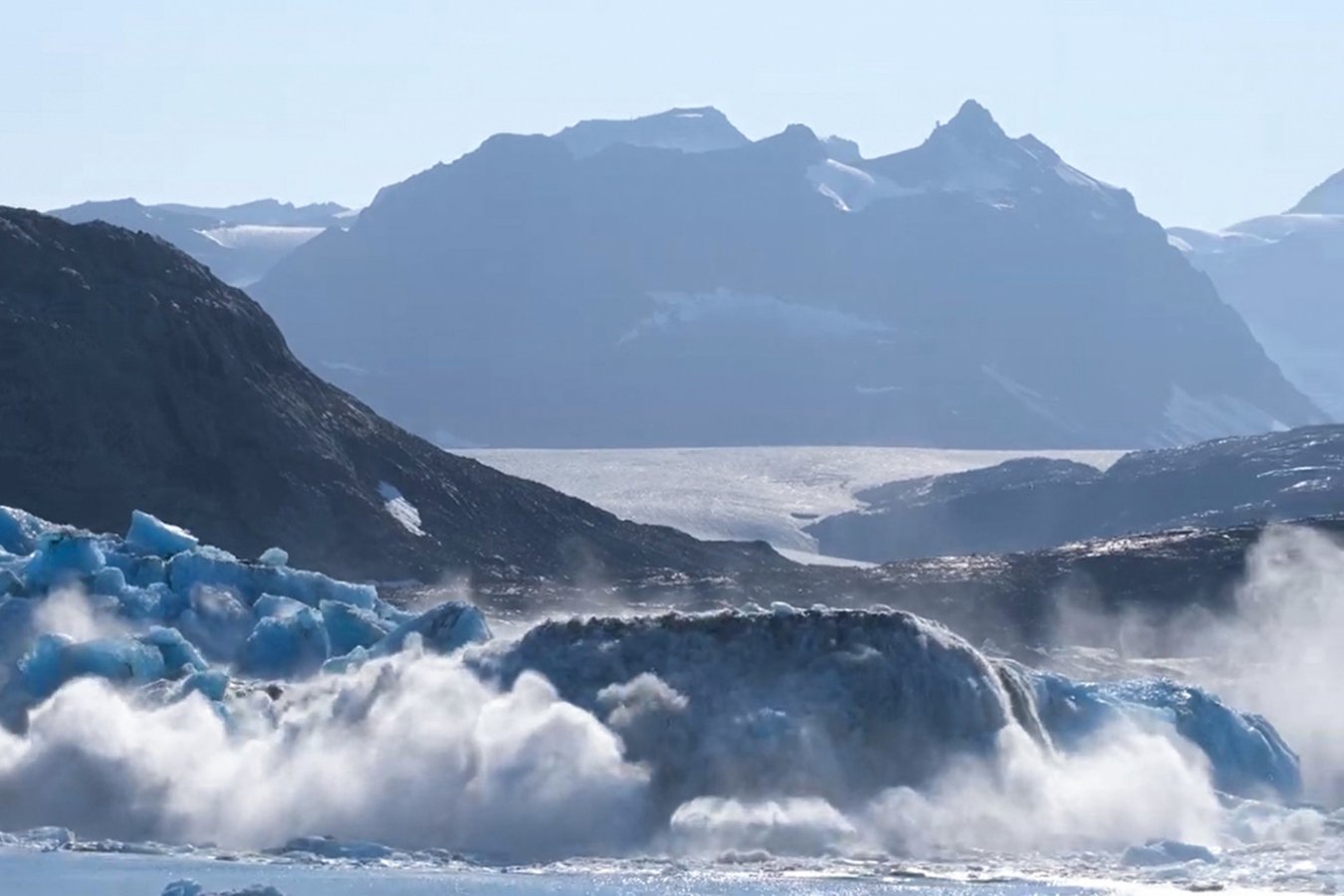
Greenland's accelerating melting is exacerbating extreme heatwaves in Europe, according to a study undergoing peer review. The influx of cold meltwater into the North Atlantic is altering ocean temperatures and influencing the jet stream to favor heatwaves in western Europe and the Mediterranean. With Greenland ice loss intensifying, Europe could face more frequent and severe heatwaves than current climate models predict, says Marilena Oltmanns of the UK’s National Oceanography Centre.
This "atmospheric bridge" played a significant role in the extreme heatwaves this summer. The shift in the jet stream due to meltwater is creating high-pressure ridges over Europe, leading to sunny skies and extreme heat. The formation of these ridges has been increasing since the 1980s, coinciding with a rise in global temperatures.
The cold meltwater also cools sea surface temperatures, inhibiting the mixing of warm deep layers and further cooling the surface. This cooling effect, combined with the weakening of the Atlantic Meridional Overturning Circulation, creates a temperature front that generates cyclones, wavering jet streams, and heatwaves. However, climate models fail to capture this process adequately, leading to potential underestimation of heatwaves and droughts, particularly in the Mediterranean.
Written by urgent.news from New Scientist's reporting — not their text. Machine-written — may contain errors; check the original before relying on it.