Government prioritises foundational learning to improve education outcomes
Haruna Iddrisu, Minister of Education has said the government had identified foundational learning, particularly literacy and numeracy, as a priority for improving education outcomes.
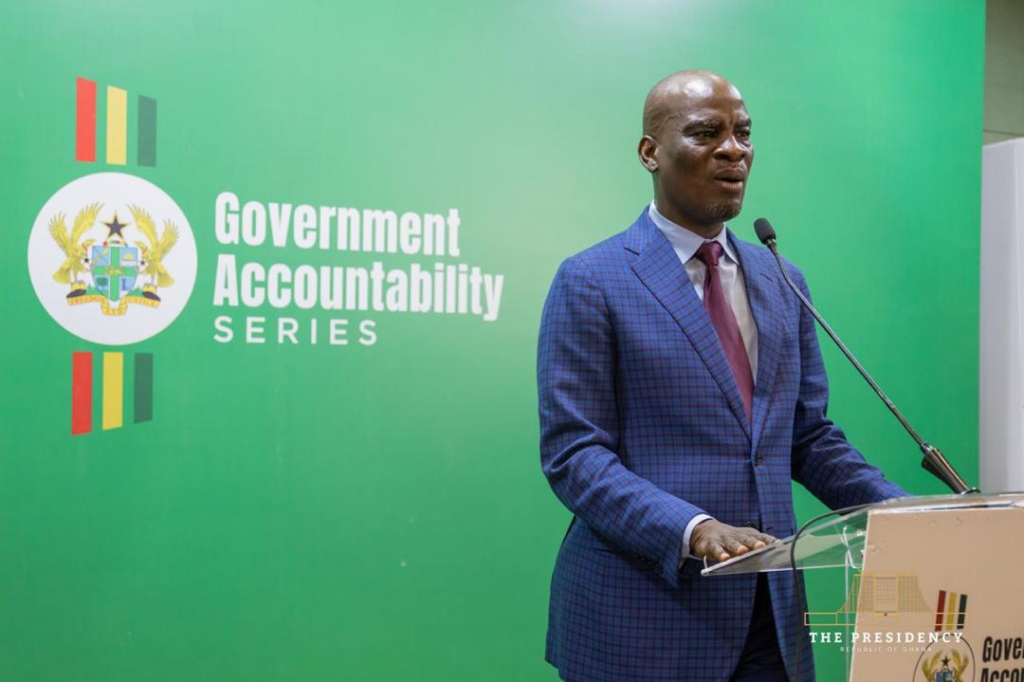
Ghana has designated foundational learning, specifically literacy and numeracy, as a priority for enhancing education outcomes, according to Minister of Education Haruna Iddrisu. He emphasized that increased access to schooling alone has not led to improved learning results, necessitating a focus on measuring learning achievements directly.
Speaking at a joint Ghana and Regional Foundational Learning Evidence and Implementation Support Day, Iddrisu noted that Ghana has made notable strides in expanding access to education, with primary school enrollment nearing universal levels and improved completion rates. However, he stressed that the country must now tackle the issue of ensuring that students are actually learning the necessary knowledge and skills for their grade levels.
Iddrisu argued that education outcomes should be evaluated based on whether pupils are acquiring the competencies expected at their respective levels, rather than just the number of schools built or quality assurance measures implemented. He cited figures from the Auditor-General’s report and the Ghana Education Service, revealing that approximately 10,700 public basic schools across 13 regions, serving over three million pupils, lack adequate classroom facilities—an unacceptable situation given Ghana's commitment to free, compulsory, and universal basic education.
Iddrisu urged researchers and education stakeholders to provide honest assessments of the education system's status, including infrastructure, assessment, quality assurance, and learning outcomes. He emphasized that education reform is crucial for addressing youth unemployment and underemployment, asserting that significant investment in education, particularly in skills training and development, is essential for equipping young people with relevant skills for the evolving job market.
The Minister praised the World Bank and its Ghana Accountability for Learning Outcomes Project (GALOP) for using evidence to direct resources to areas needing the most support, having identified about 10,579 low-performing basic schools and providing additional resources and technical assistance to enhance their performance. Iddrisu underscored the importance of tailoring education interventions to the unique circumstances of individual schools and communities to achieve substantive improvements in learning.
He announced that the national curriculum had been revised for kindergarten through Primary Six, with a renewed emphasis on ethical and moral values, digital and technical skills, as well as emerging technologies like robotics, coding, electronics, and artificial intelligence, all aimed at strengthening foundational learning.
Written by urgent.news from MyJoyOnline Ghana's reporting — not their text. Machine-written — may contain errors; check the original before relying on it.