Ghana government clears $1.47b energy legacy debts – Minister
Dr John Abdulai Jinapor, the Minister of Energy and Green Transition, on Thursday said the government paid off about $1.47 billion in legacy debt within Ghana’s energy sector. The post Ghana government clears $1.47b energy legacy debts – Minister appeared first on Ghana Business News .
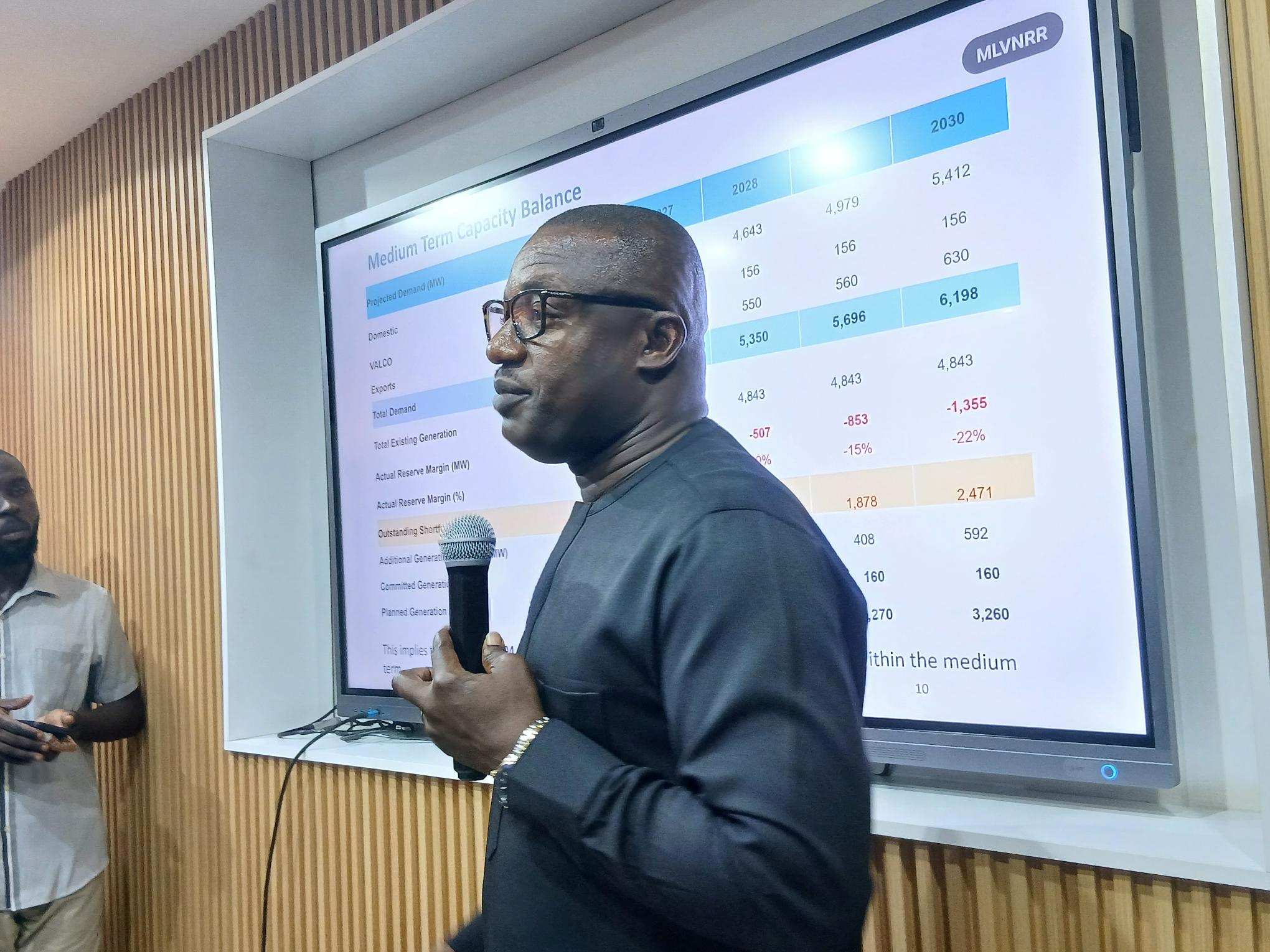
On Thursday, Ghana's Minister of Energy and Green Transition, Dr John Abdulai Jinapor, announced that the government had successfully cleared approximately $1.47 billion in legacy debt within Ghana's energy sector. This significant financial achievement has bolstered confidence and stability in the energy industry, according to Dr Jinapor, who spoke on behalf of President John Dramani Mahama during the commissioning of the new Head Office Complex of the Public Utilities Regulatory Commission (PURC) in Accra.
The government's efforts have led to improved payments to Independent Power Producers (IPPs), a crucial component of Ghana's energy infrastructure. By transitioning from liquid fuel to natural gas, the government has managed to save around $500 million, contributing to broader reforms aimed at reducing power generation costs and enhancing the financial position of the sector.
Under Dr Jinapor's leadership, reforms to the Cash Waterfall Mechanism have significantly improved payments to IPPs. Previously, only about 16% of funds declared into the mechanism reached IPPs, with IPPs receiving around 42% of their invoiced amounts. Currently, the government declares about GH¢15 billion monthly into the Cash Waterfall Mechanism, ensuring IPPs receive nearly 100% of their invoice bills.
These reforms are helping to alleviate the power sector's arrears, which totaled approximately GH¢80 billion when the government took office. Additionally, the government has renegotiated agreements with some IPPs, resulting in savings of about $250 million. Dr Jinapor emphasized the importance of these reforms in restoring the energy sector's financial viability and creating a sustainable environment for electricity generation and distribution.
He urged the PURC to intensify its regulatory oversight, particularly focusing on the commercial performance of utility companies. He highlighted the Electricity Company of Ghana (ECG) as a vital link in the financial sustainability of the energy sector, stressing that ECG's inability to recover revenues could have far-reaching implications for the entire electricity supply chain.
Dr Jinapor called on the PURC to ensure that consumers felt the regulator's presence through faster resolution of complaints, stronger enforcement, and greater accountability from utility providers.
Written by urgent.news from Ghana Business News's reporting — not their text. Machine-written — may contain errors; check the original before relying on it.