From sugar exports to imports: What’s behind India’s policy U-turn?
The policy shift raises questions over whether 2025-26 production and stock estimates were too optimistic.
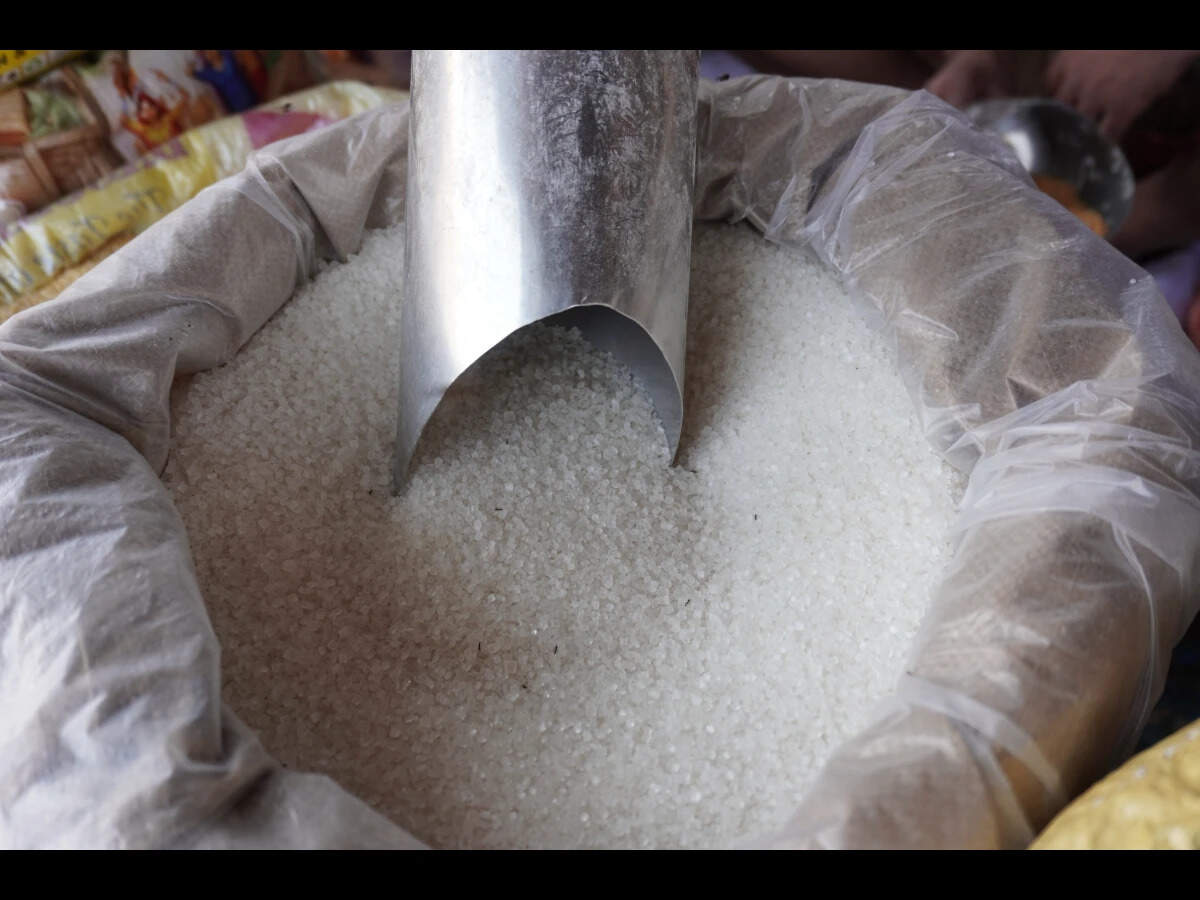
On Thursday, the Indian government permitted the duty-free import of 1 million tonnes of raw sugar until October 31, marking a significant shift in the country's sugar policy. This move comes in response to record sugar prices ahead of the festive season. Just nine months ago, the government had approved 1.5 million tonnes of sugar for export, which was later increased to 2 million tonnes, anticipating a strong crop. However, despite limited exports, domestic stocks tightened, leading to the recent policy reversal.
The sugar market has seen a 40% increase in prices within two months, with ex-mill prices currently ranging from Rs 5,400-5,560 per quintal in Maharashtra, with S-grade at Rs 5,750 and M-grade at Rs 5,850-5,900 (excluding GST). This price surge has raised questions about the initial sugar production forecasts and stock assessments.
Industry executives and associations have highlighted discrepancies between the initial production estimates and actual figures. The Indian Sugar & Bio-energy Manufacturers Association (ISMA) had projected a production of 34.90 million tonnes for the sugar season 2025-26, but subsequent estimates lowered the figure to 28.3 million tonnes by March 2026.
Former Agriculture Secretary Siraj Hussain pointed out the lack of accuracy in agri-tech production forecasting, while the industry executive believed that the eventual production was below 28 million tonnes, with about 3 million tonnes diverted towards ethanol and other uses.
The discrepancy in production estimates and the limited exports have led to tight sugar stocks, well below the normative buffer of six months' consumption. The government has since imposed stock limits on bulk consumers ahead of the upcoming festive season to prevent excessive accumulation. The debate now centers on the reasons behind the inaccurate production forecasts and the appropriateness of the policy shift.
Written by urgent.news from The Economic Times - Economy's reporting — not their text. Machine-written — may contain errors; check the original before relying on it.