Five pet swans escaped in Maryland; descendants later neared 4,000
Five mute swans escaped from an estate in Maryland in 1962 and their descendants multiplied to nearly 4,000 in the Chesapeake Bay region within four decades. The invasive birds eat large amounts of underwater grasses and have also been linked to the displacement of native birds, raising concerns among wildlife managers about their growing impact on the Bay's ecosystem.
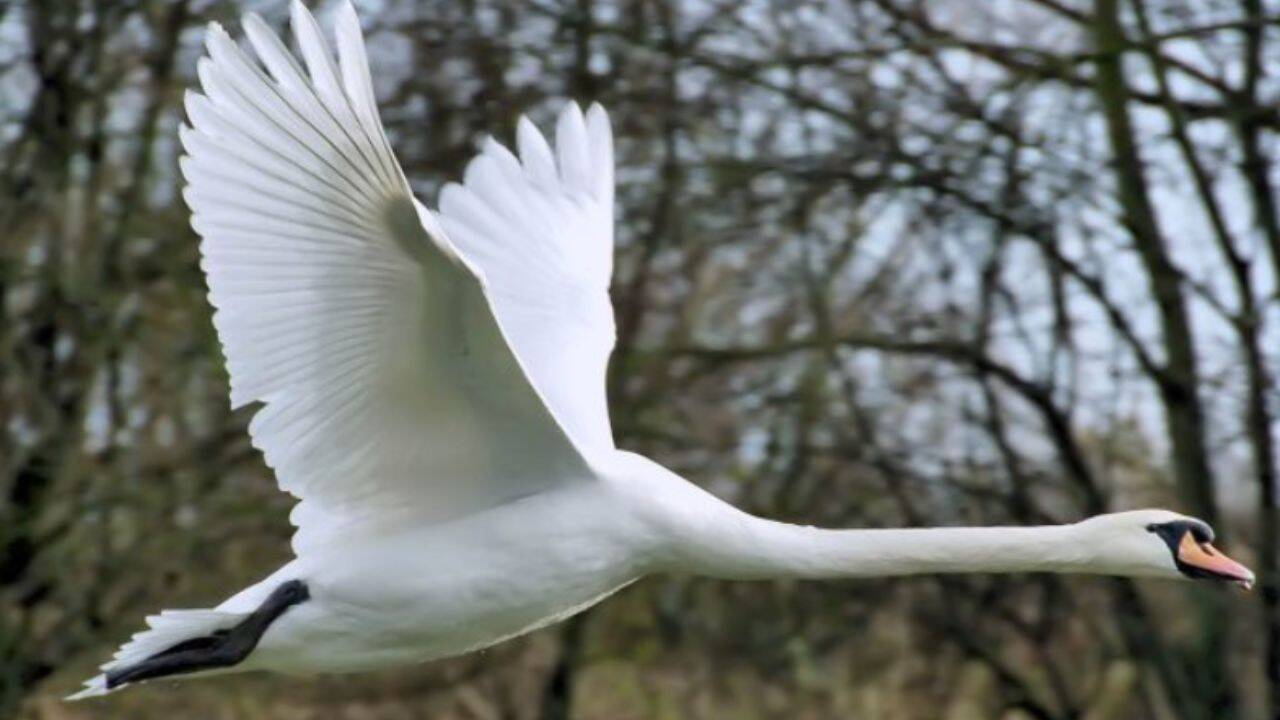
In 1962, five mute swans escaped from an estate in Talbot County, Maryland. Over four decades later, their descendants had multiplied to nearly 4,000 in the Chesapeake Bay region. Concerns arose as the population grew, as these birds were consuming large amounts of underwater vegetation and potentially impacting native bird species.
In 2005, the Maryland Invasive Species Council reported that the population had doubled nine times in 40 years and was nearing another doubling, reaching approximately 4,500 individuals. Mute swans, native to Europe and Asia, are considered invasive in the Chesapeake Bay due to their size, diet, and aggressive behavior. These large white waterfowl can grow up to five feet long, with a wingspan of seven to eight feet and weigh up to 25 pounds.
They primarily feed on submerged aquatic vegetation (SAV), which includes underwater grasses such as eelgrass and widgeon grass. The Maryland Invasive Species Council estimated that the swans were consuming about 10.5 million pounds of these grasses annually. As the population grew rapidly, reaching a 1,200% increase between 1986 and 1999, concerns about their impact on native birds and the ecosystem intensified.
Mute swans are present year-round in the Chesapeake Bay, feeding on the region's aquatic vegetation during spring and summer, which native waterfowl only use seasonally. This competition for resources could disrupt efforts to restore aquatic grass beds and eliminate established plantings in a matter of days. The invasive swans also alter their diet seasonally, with underwater grasses being a significant food source during spring and summer.
However, their aggressive behavior can lead to the displacement of native birds like black skimmers and least terns from nesting and feeding areas. Despite the challenges, new legislation passed by Congress in 2005 eliminated federal protection for mute swans, making control measures more feasible. However, animal rights activists continue to challenge management efforts through legal means.
Written by urgent.news from Times of India's reporting — not their text. Machine-written — may contain errors; check the original before relying on it.