FDA records GH¢70m surplus in 2025 amid concerns over ageing lab equipment
The Food and Drugs Authority (FDA) recorded a surplus of GH¢70 million in 2025, representing a 51 per cent increase from the GH¢46 million recorded in the previous year, despite operational challenges including ageing laboratory equipment and the circulation of illicit products.
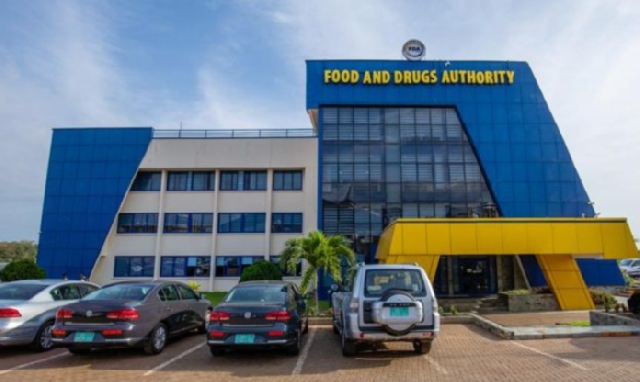
In 2025, the Food and Drugs Authority (FDA) recorded a surplus of GH¢70 million, marking a 51% increase from the previous year's GH¢46 million surplus. This financial growth, however, was overshadowed by operational challenges such as aging laboratory equipment and the circulation of illicit products. FDA Deputy Director of Finance, Samuel Adom-Siaw, revealed these figures during the FDA's 2025 Annual Stakeholders' Meeting in Accra, alongside its audited financial statements.
The Authority's total assets expanded from GH¢296 million in 2024 to GH¢358 million in 2025, while its liabilities dwindled from GH¢12 million to GH¢3.4 million. The FDA's total revenue reached GH¢420 million for the year, consisting of GH¢278 million from internally generated funds, GH¢78 million from donor support, and GH¢63 million from government subsidies.
Internally generated funds accounted for 66% of the total revenue, followed by donor inflows at 19% and government subsidies at 15%. Despite higher staff compensation and increased operational requirements, expenditure rose only marginally from GH¢266 million to GH¢267 million. However, the Authority faced a GH¢95 million shortfall against its projected IGF target of GH¢374 million, attributed largely to exchange-rate movements.
To address revenue mobilisation and control expenditure, the FDA plans to review its fees in consultation with stakeholders. On regulatory activities, FDA Quality Assurance Manager Joseph Ofosu-Siaw reported that the Authority processed 24,225 product applications, approving 20,205, conducting 15,457 facility inspections, examining 47,189 consignments at ports, and performing 2,250 market surveillance exercises.
Notably, 215,876 non-compliant products were retrieved. Ofosu-Siaw highlighted that 62% of registered products were locally manufactured, up from 33% in 2024. However, he identified aging laboratory equipment as a significant concern, with some machines between eight and 20 years old, making maintenance increasingly difficult, especially in facilities operating 24/7.
Written by urgent.news from MyJoyOnline Ghana's reporting — not their text. Machine-written — may contain errors; check the original before relying on it.
This story
This is one outlet's version. Read the fullest account.