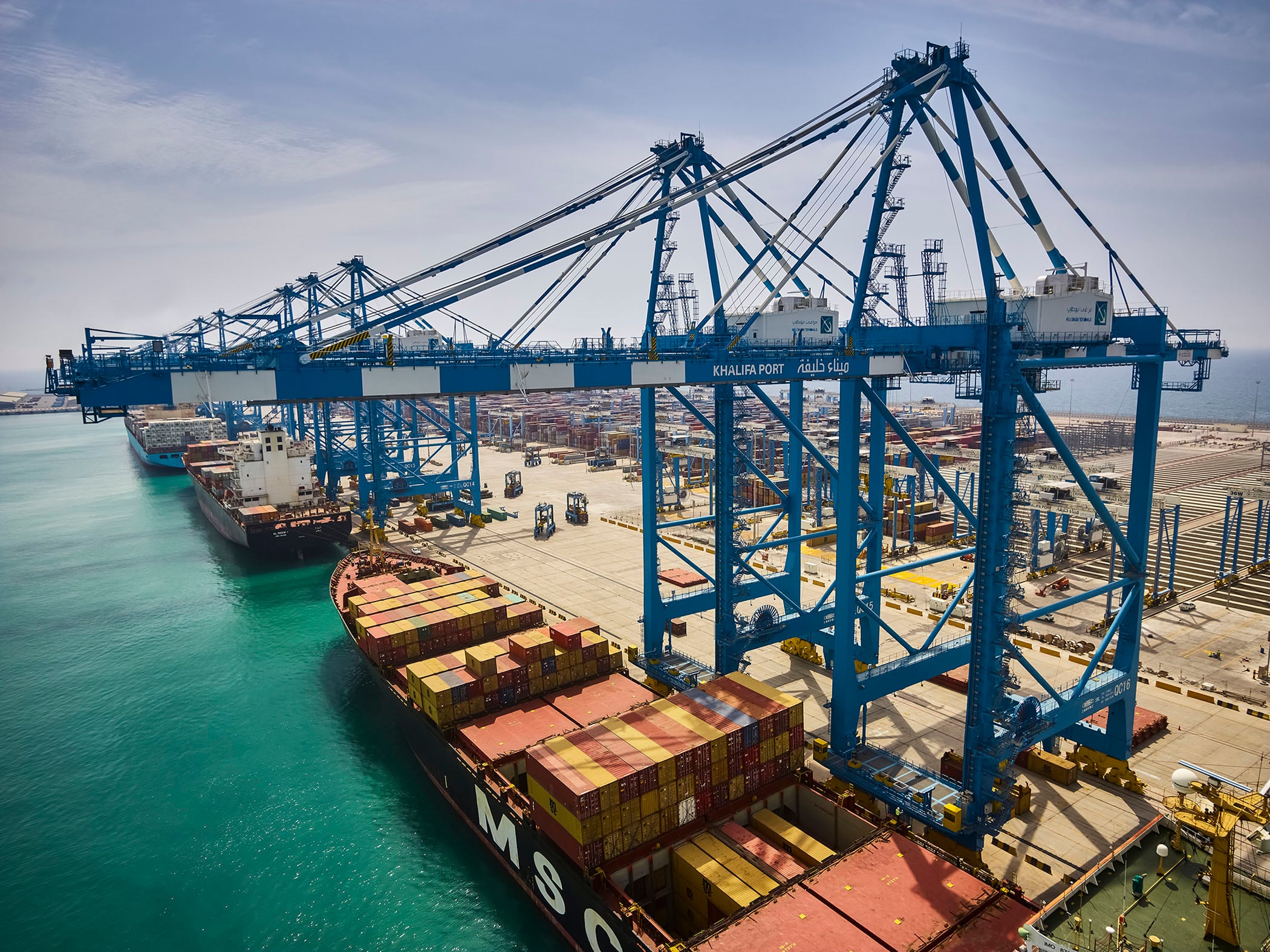
Energy multinationals return to Venezuela
US tutelage in the country facilitates the arrival of large capital to the oil business and breaks with years of isolation and international sanctions
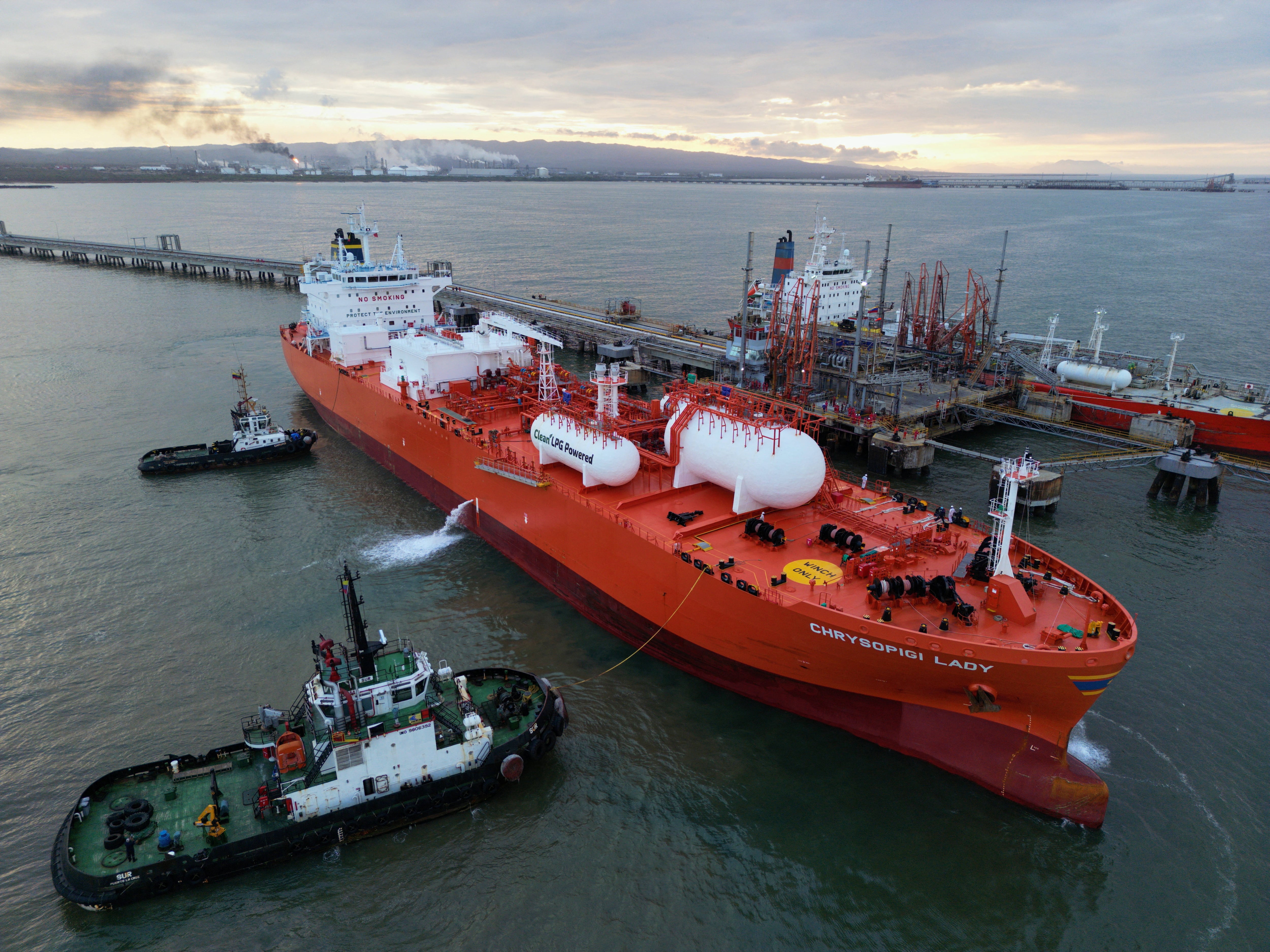
In a bid to revitalize Venezuela's oil and gas sector, multinational corporations BP, Shell, and Schlumberger have recently signed investment agreements with the Venezuelan government. This move comes after months of negotiations and under the auspices of U.S. oversight, which has been in place since January 2026. Shell, BP, XRG, and UCC Holding, from the UAE, and Qatar’s UCC Holding, have agreed to develop the offshore gas fields of Loran, also known as the Deltana Platform, in eastern Venezuela.
This initiative aims to capitalize on the vast offshore gas reserves in the region, which had been dormant due to Venezuela's current energy crisis and isolation.
The first phase of operations was awarded to Shell in June of the previous year, while Phase 2 is set to be developed by a consortium consisting of BP, companies from the UAE, and Qatar. The primary objective of these investments is to establish gas exports to Europe, leveraging Venezuela's position as the sixth-largest gas producer in Latin America. Despite possessing the largest natural gas reserves in the region, Venezuela currently produces only a relatively small portion of its potential output.
The reinvigorated oil and gas sector is expected to bring significant benefits to Venezuela. Participation Productive Contracts have been announced with U.S. corporations Hunt Oil and Crossover, along with a framework alliance with the U.S.-French consortium Schlumberger, which is also conducting integrated well studies. The government estimates future investments from these operations at $2 billion.
This shift marks a notable departure from the previous reliance on Chevron, Spain’s Repsol, and Italy’s Eni, which dominated foreign investment in the country's oil and gas sector under Maduro.
Experts view these agreements as a significant development, highlighting the country's vast oil and gas reserves and the contractual mechanisms that could convert these reserves into surface barrels. The presence of a Bolivarian official at an event to gauge oil investment for Venezuela in the U.S. underscores the country's openness to international investment.
However, challenges remain, as many companies have not fully migrated to the new legal framework, and uncertainties persist regarding operational contracts. While medium-term investments are expected to be substantial, the ultimate growth potential of Venezuela's oil and gas sector hinges on the success of political transitions leading to democratic governance.
Written by urgent.news from El Pais English's reporting — not their text. Machine-written — may contain errors; check the original before relying on it.