Emergency cash concerns drive rise in euro banknotes despite digital payments
Circulation of euro banknotes in the EU is rising as more people keep emergency cash, despite the growing use of smartphone payments.
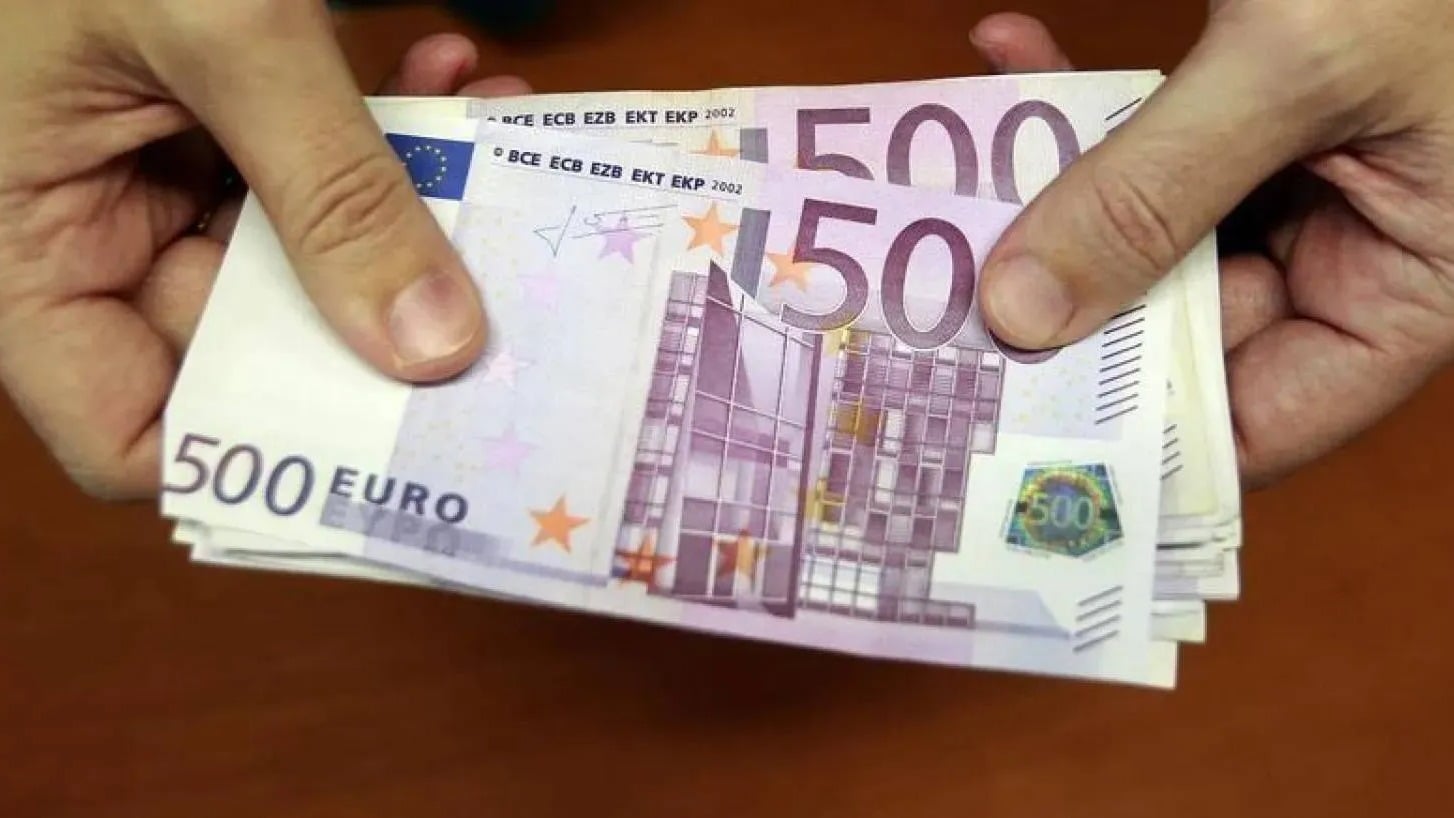
The amount of euro banknotes in circulation across the European Union is increasing, despite the widespread use of smartphone payments. This trend is being driven by growing concern over emergencies, particularly wildfires that have occurred in parts of Europe this summer. According to Philip Lane, the chief economist at the European Central Bank, while cash is being used less for everyday transactions, the total amount of banknotes in circulation is on the rise.
Experts attribute this to fears of potential disruptions from wars or cyberattacks that could affect electronic payment systems.
In response to these concerns, the UK retailer Marks & Spencer experienced a major cyberattack in the previous year that disrupted online orders for weeks. The European Central Bank advised EU residents to keep enough emergency supplies, including cash, for a period of 72 hours in case of wildfires, floods, storms, or cyberattacks.
As of June 2026, the value of banknotes in circulation had risen from approximately 1 trillion euros in 2016 to 1.6 trillion euros. The number of physical notes had also increased from 24 million in 2019 to 31 million.
In 2025, countries like Germany, Austria, Finland, Sweden, and the Netherlands recommend that households keep between €70 and €100 in cash for emergency situations. The €50 note has been the most widely used euro banknote in 2025, followed by the €100 note.
Written by urgent.news from Ajel English's reporting — not their text. Machine-written — may contain errors; check the original before relying on it.