Ebola outbreak: five big questions
On 23 August, it will be 100 days since the Bundibugyo strain was first reported. How did it became the DRC’s most deadly outbreak and what must be done to stop it becoming the world’s largest? Almost 100 days ago, Africa’s public health watchdog reported an outbreak of Ebola in the Democratic Republic of the Congo. There have now been almost 5,000 cases and more than 2,000 deaths since 15 May,…
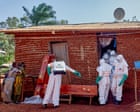
The Ebola outbreak in the Democratic Republic of Congo (DRC) is spreading rapidly and has the potential to surpass the deadliest outbreak on record, which occurred in West Africa between 2014 and 2016, with over 11,000 deaths. According to data from the Africa Centres for Disease Control and Prevention (Africa CDC), the current outbreak has recorded 2,516 deaths out of 5,290 confirmed cases, with only 30-40% of cases detected so far.
The outbreak began in February, months before it was officially declared on May 15. The contact tracing rate is only 16% of expected contacts, and many cases are not being reported, particularly in the affected health zones. The transmission has expanded to 56 health zones across six provinces, and deaths outside Ebola treatment centers account for 97% of reported deaths.
The outbreak is caused by the Bundibugyo virus, which has no approved vaccines or treatments, and its symptoms are milder than the common Ebola virus type, which could result in fewer people seeking treatment.
Written by urgent.news from Medical Xpress's reporting — not their text. Machine-written — may contain errors; check the original before relying on it.
This story
This is one outlet's version. Read the fullest account.
- Ebola outbreak: five big questions theguardian.com
- Here’s data that shows Congo’s Ebola outbreak is on track to surpass history’s largest apnews.com
- Here's data that shows Congo's Ebola outbreak is on track to surpass history's largest medicalxpress.com
- Here’s data that shows Congo’s Ebola outbreak is on track to surpass history’s largest winnipegfreepress.com