Earthquake, language and collective compassion
When the ground violently shifts, the words we choose can either steady a community’s collective courage or trigger a devastating humanitarian aftershock of panic.
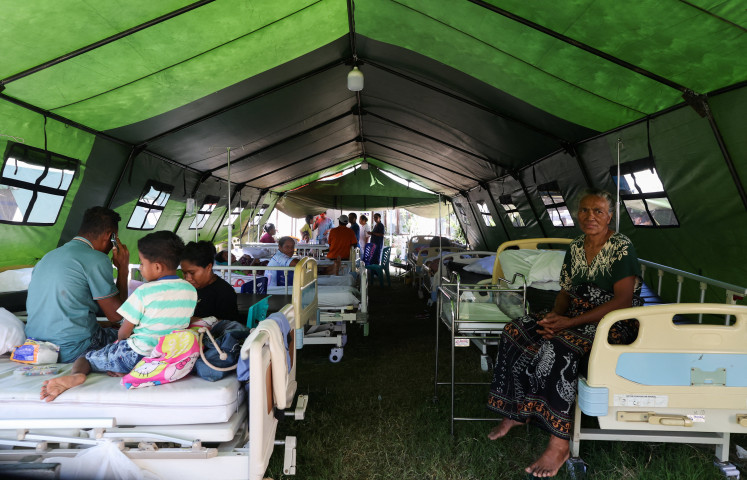
Earthquakes, language, and collective compassion intertwine in the aftermath of a powerful tremor that strikes Flores Island in East Nusa Tenggara. Amidst the geological upheaval, local communities find solace and strength through distinct vocalizations that affirm their presence. In Lio, cries of "kami latu" (we exist) echo, while Manggarai residents chant "ata do o" (we are many humans), and Sikka inhabitants resound "ami noran" (we are still here).
These expressions serve as a symbolic anchor, transforming the unspeakable into speakable, providing a sense of stability in a world that has been shaken to its core. The Aug. 15 earthquake tragically claimed lives and displaced many more, evoking painful memories of past disasters. Yet, long before scientific terms like magnitude and epicenter entered the lexicon, islanders had already developed a vocabulary rooted in their lived experience.
Language, in these instances, not only frames the crisis but also guides the actions taken in response, whether through disaster mitigation efforts or providing care to survivors. The integration of indigenous knowledge and seismological science can work in tandem to ground disaster relief in a more humane approach, ensuring that communities are not only prepared for the physical dangers but also supported through the collective compassion that language can foster.
Written by urgent.news from The Jakarta Post's reporting — not their text. Machine-written — may contain errors; check the original before relying on it.
Also reported by 1 other outlet
- Earthquake, language and collective compassion thejakartapost.com