Dolphins Eavesdrop on Their Prey—and Each Other
They strategically choose when to whistle or click The post Dolphins Eavesdrop on Their Prey—and Each Other appeared first on Nautilus .
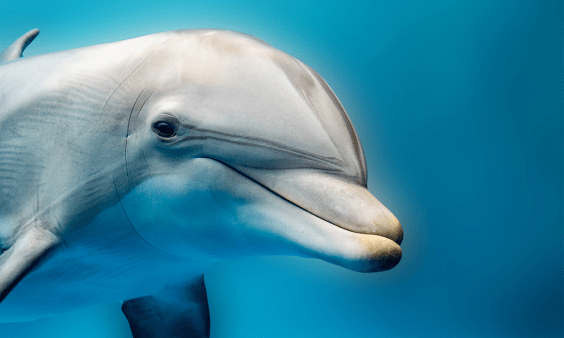
Dolphins are known for their vocalizations, using whistles and clicks to communicate and navigate their surroundings. However, they now face challenges from human-made noises like ship traffic, oil drilling, and explosives, which hinder their ability to communicate and locate food. A recent study in PeerJ revealed that dolphins might be listening in on the sounds made by certain fish, such as drums (Sciaenidae), which produce croaking noises.
Scientists from Florida Atlantic University's Harbor Branch Oceanographic Institute monitored dolphins for two months along the Atlantic Coast, collecting data from 15-second recordings every five minutes. Dolphins were observed engaging in whistling or echolocating (or both) about 1,700 times during those hours. The researchers found that dolphins whistled more when close to shore, with the frequency influenced by factors such as water temperature and chlorophyll concentrations.
They also discovered that dolphins echolocating clicks were concentrated in regions where sound-producing fish were present, suggesting that dolphins may be using these fish sounds to locate their prey. This behavior highlights a distinct separation between the acoustic behaviors dolphins use for social interaction and those they employ for finding food.
Written by urgent.news from Nautilus's reporting — not their text. Machine-written — may contain errors; check the original before relying on it.