De La Espriella Activates a Shield Against Layoffs After Colombia Earthquake
The earthquake that struck Colombia on Aug. 10 not only destroyed homes, roads, schools, and commercial establishments. As authorities continue assessing the damage, a second threat is beginning to emerge: the possibility that thousands of people could lose their jobs because companies, businesses, and small enterprises in the hardest-hit regions no longer have enough revenue […]
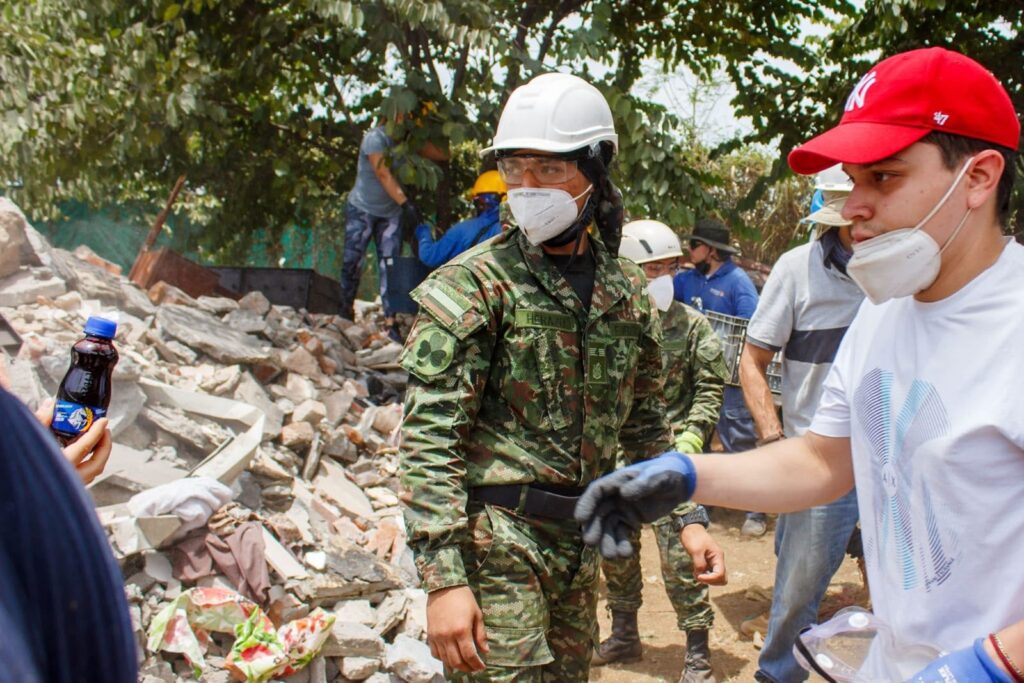
Colombia's President Abelardo De La Espriella's administration is implementing a comprehensive plan to protect jobs from being adversely affected by the recent earthquake. The disaster has not only resulted in extensive physical damage but also posed a serious risk of widespread job losses across various sectors. To counter this, the government has declared an Economic, Social and Ecological Emergency under Decree 1261 of 2026, effective from August 19, 2026.
This emergency provides the framework for the government to issue legislative decrees aimed at mitigating the employment impact of the earthquake. The strategy includes wage subsidies, relief on social protection obligations, and assistance for self-employed workers. The government acknowledges that the earthquake has affected more than 14% of Colombia's economy and includes sectors such as commerce, transportation, lodging, and manufacturing.
The primary aim is to prevent layoffs by temporarily reducing the cost of keeping employees employed when companies are unable to maintain their financial stability. This mechanism is designed to act as a financial bridge for employers whose operations have been severely disrupted by the disaster. The policy will initially remain in force for 30 days, after which further regulations will be issued to determine the specifics such as eligibility criteria, the duration of assistance, and funding share.
The government aims to strike a balance between preserving jobs and maintaining the sustainability of the social security system.
Written by urgent.news from Colombia One's reporting — not their text. Machine-written — may contain errors; check the original before relying on it.