‘Day spent running from one courtroom to another’: Why Delhi’s prosecutors are stretched thin
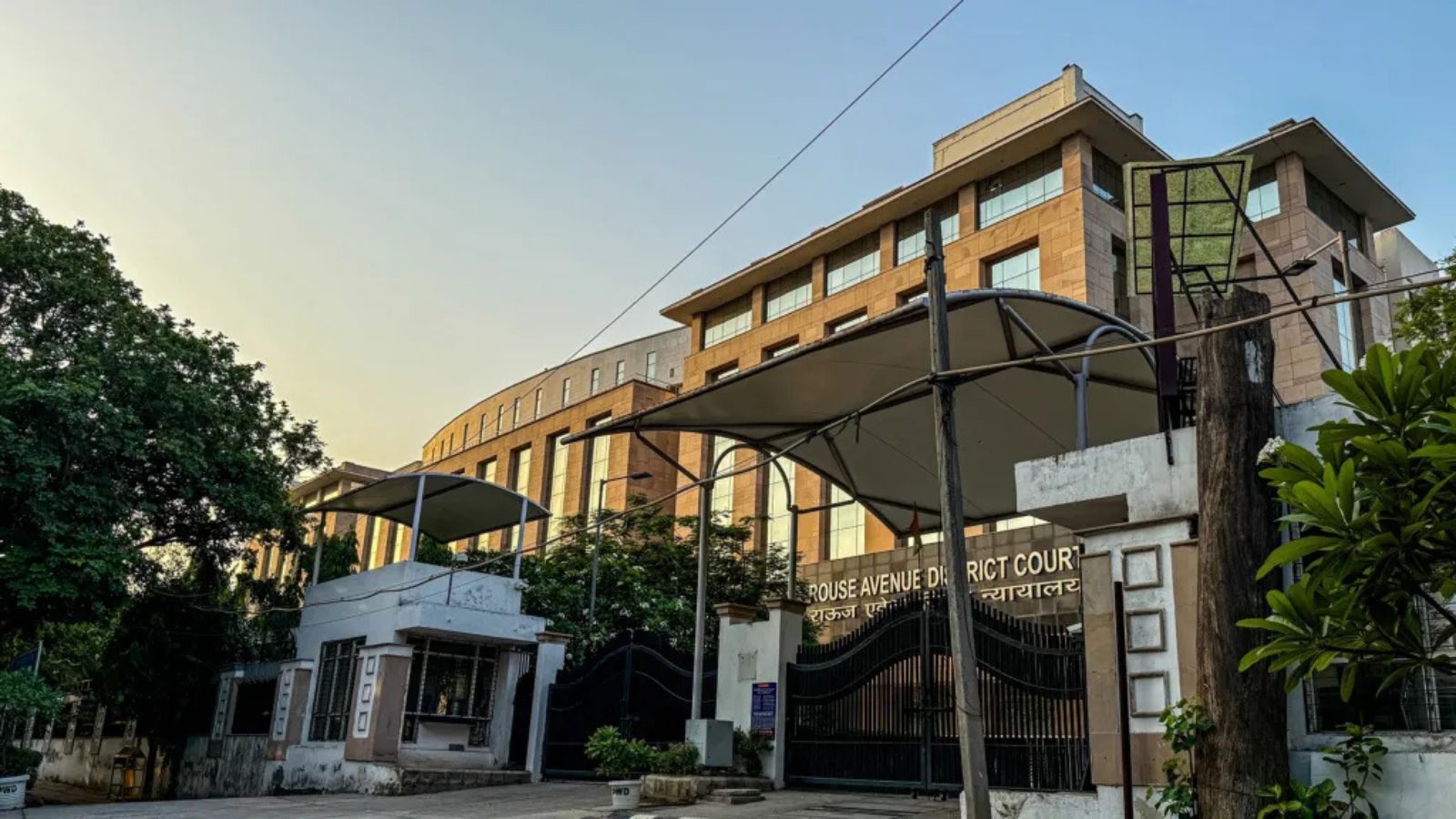
On a typical Monday morning, a public prosecutor working at Delhi’s Rouse Avenue Court faced an uphill struggle. After hastily changing into his black blazer, he rushed from one courtroom to another, only to return to his seat in the corridor moments later, burying his face in his hands and sighing heavily. He quickly scanned his diary, noting the numerous cases he had to handle that day.
"Every day is so stressful. There are so many cases and it's difficult to keep track," he expressed to The Indian Express. He was among 292 public prosecutors in Delhi’s courts, with many facing an increased workload following the transfer of 138 judges and the opening of new courts. Thirteen judges were moved to Rouse Avenue Court to handle cases under several special laws, including the Unlawful Activities (Prevention) Act, NIA Act, NDPS Act, and MCOCA.
Six special NIA judges were assigned exclusively to terror cases. Consequently, one public prosecutor now oversees five courts, up from three, while another is responsible for three instead of one. They must also navigate unfamiliar special laws. A total of 29 public prosecutors have been impacted by these transfers. Data shows that Delhi’s trial courts have only half the public prosecutors they need.
As of August 2026, there were 32 sanctioned posts for public prosecutors, with 16 filled, 156 for additional public prosecutors, and 120 for assistant public prosecutors. This leaves vacancies of 50%, 25%, and 54%, respectively. Pending criminal cases in Delhi rose from 13 lakh in mid-2025 to 15 lakh in mid-2026. Approximately 20,000 criminal cases are listed daily in Delhi’s trial courts.
Public prosecutors play a crucial role in the judicial system, representing the state in serious criminal cases, arguing chargesheets, opposing bail, examining witnesses, and responding to applications filed by accused persons. One public prosecutor explained his workload, saying, "Judges request that I finish the arguments in their courts.
I tell them my difficulty and explain that I have other matters in other courts. They're shocked, but they agree to my request. Our day is just spent running from one courtroom to another." The issue is particularly acute in Sessions Courts, where cases demand detailed file reading. When hearings in different courts clash, prosecutors struggle to argue effectively for multiple matters, leading to adjournments.
"Handling one court is fine. There are dozens of cases, but we know how to tackle them. But in the new courts we've been assigned, we don't know the details," said another public prosecutor. Another remarked that they often have little time to prepare for important cases. "We don't even have time to read through case files sometimes.
Once, I just had 20 minutes to understand a high-profile case. I had to argue for police custody," he added. The shortage of prosecutors also affects hearings involving victims and witnesses. "At times, I'm called by three different judges at the same time. In some instances, I've had to leave a hearing midway. This impacts the victims and prolongs the hearings," a public prosecutor expressed.
Written by urgent.news from The Indian Express's reporting — not their text. Machine-written — may contain errors; check the original before relying on it.