Cousin of the “Zombie Fungus” Could Be an Ally Against Brain Cancer
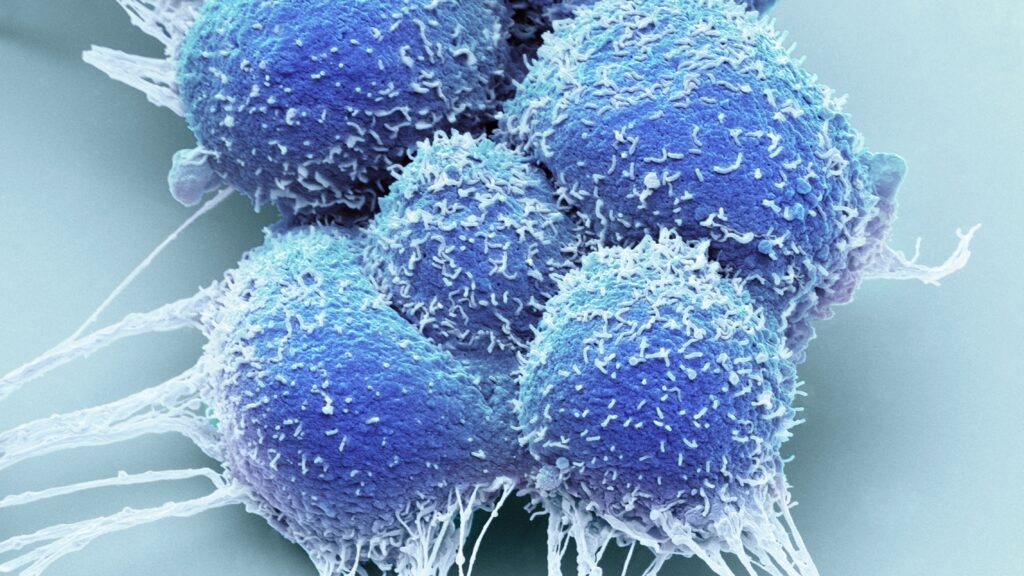
The species of fungus Cordyceps militaris contains compounds that could eventually help improve the effectiveness of chemotherapy treatments for glioblastomas, brain cancer tumors with survival rates of between 5 and 10% after 5 years. These fungi are cousins of those in the Cordyceps genus, famous because in the acclaimed series “The Last of Us” it […]
Recent laboratory experiments with Cordyceps militaris fungi suggest that these fungi may help improve the effectiveness of chemotherapy treatments for glioblastomas, a type of brain cancer with survival rates of only 5 to 10% after five years. The fungus is a cousin of the infamous "zombie" fungi in the video game "The Last of Us," but it does not cause zombie-like behavior in humans.
Researchers from the National University of Colombia (UNAL) discovered that certain compounds in Cordyceps militaris can cross the blood-brain barrier, a structure that typically blocks the passage of most medications. This unique property led the team to investigate whether the fungi could be beneficial against glioblastomas, which have a recurrence rate of over 90% even with standard treatments of surgery, radiotherapy, and chemotherapy with temozolomide.
The researchers extracted various compounds from the fungi using different solvents and tested the extracts against cancer using the MTT assay. They found that the chloroform extract of Cordyceps militaris, when combined with temozolomide, significantly reduced the viability of tumor cells, achieving a reduction between 40 and 50%.
This synergistic effect indicates that certain compounds in Cordyceps militaris may enhance the sensitivity of tumor cells to chemotherapy. The study's next step is to identify the specific pathways through which these extracts act within tumor cells before moving on to animal models, with the long-term goal of developing a combination treatment that could eventually be evaluated in patients.
Written by urgent.news from Colombia One's reporting — not their text. Machine-written — may contain errors; check the original before relying on it.