Companies Are Bracing Themselves For El Niño’s Ripple Effects
El Niño will disrupt business across the globe.
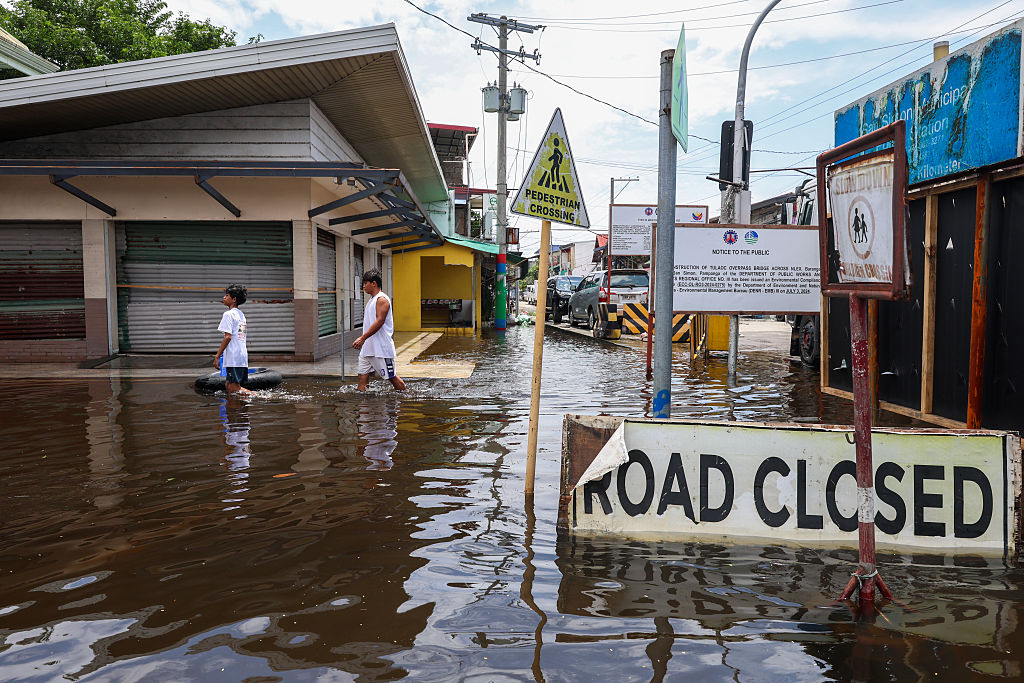
Meteorologists have been issuing increasingly urgent warnings about the approaching El Niño event, which could be the most severe on record. The potential impacts of this climate phenomenon extend far beyond mere weather disruptions, with far-reaching economic consequences for companies and investors worldwide.
In recent earnings calls, hundreds of publicly traded companies, especially those in the food and chemicals sectors, have begun outlining their contingency plans for dealing with El Niño's effects. Banks have also weighed in, warning of the potential for supply shocks that could drive up prices as extreme weather disrupts production chains.
While El Niño is not a new phenomenon, this particular cycle is expected to be particularly strong due to the already elevated global temperatures caused by climate change. Past El Niño events in the 1970s and 1990s already wrought significant damage, giving decision-makers some experience to draw upon. However, this El Niño will be different in two key ways.
First, the ongoing global warming of roughly 1.5°C since the Industrial Revolution is expected to exacerbate the impact of the El Niño cycle. Second, recent sea-surface temperatures have reached levels far above the historical averages, indicating an especially powerful El Niño event.
The economic consequences of El Niño can extend well beyond the initial year of the event. For example, heavy rains could destroy crops, leading to immediate supply disruptions and global price increases lasting several seasons. Even factory flooding, while initially presenting disaster relief challenges, could take years to fully recover from.
A report from the European Central Bank projects that a strong El Niño could raise global food commodity prices by up to 9% within 16 months of onset, with lingering effects for years thereafter. Additionally, a 2023 study published in the journal Science found that the 1982-1983 El Niño alone caused more than $4 trillion in global income losses, while the 1997-98 cycle resulted in damages amounting to $5.7 trillion.
The economic hit from El Niño is not expected to follow a simple linear relationship with the strength of the phenomenon. As with climate change itself, the relationship between a stronger El Niño and economic damages is expected to be much more severe.
Written by urgent.news from Time's reporting — not their text. Machine-written — may contain errors; check the original before relying on it.