CNA Explains: What we know about the Moderna, Merck breakthrough cancer vaccine
The personalised vaccine has succeeded in a final-stage melanoma trial. Here’s how it works, when it could become available and why researchers hope the approach can be used against other cancers.
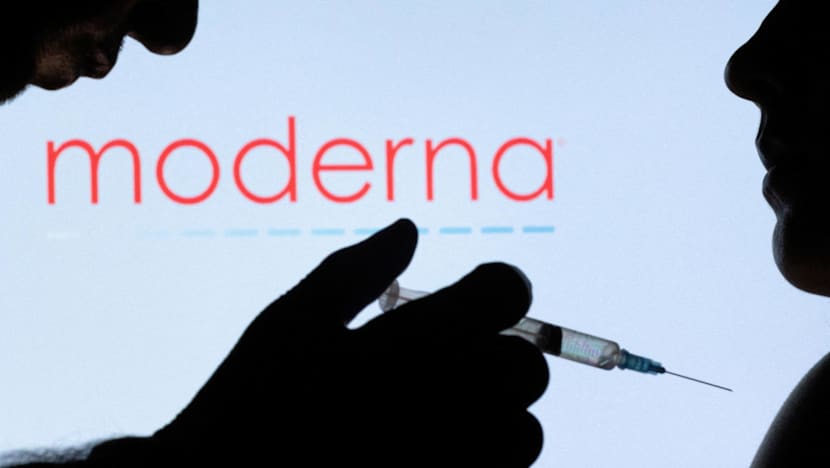
Moderna and Merck have developed a personalised cancer vaccine that could potentially treat multiple types of cancer. The vaccine was successful in a Phase 3 melanoma trial, preventing the recurrence and spread of the deadly skin cancer. In the trial, over 1,000 patients with high-risk melanoma participated. The vaccine, called intismeran autogene, extended the time patients remained cancer-free.
Researchers are excited about this breakthrough as it's the first successful large-scale trial for an mRNA-based cancer therapy, which gained widespread recognition due to COVID-19 vaccines. The vaccine is designed for patients who already have cancer and aims to stop it from returning or spreading. Each vaccine is personalized based on the genetic characteristics of an individual patient's tumour.
This approach could potentially be applied to other cancers, but the success varies depending on the number of genetic changes in a tumour and the tumour microenvironment. While expensive, the health economic benefits of saving lives and reducing hospital stays make this treatment feasible. Trials are ongoing for other cancers, including non-small cell lung cancer, bladder, kidney, pancreatic, and stomach cancers.
The hope is that this technology will have a broad range of applications for various types of cancer.
Written by urgent.news from Channel News Asia's reporting — not their text. Machine-written — may contain errors; check the original before relying on it.