Claudette: Make Claude stop talking like a BuzzFeed article
Article URL: https://github.com/adnanakil/nobuzz/blob/main/README.md Comments URL: https://news.ycombinator.com/item?id=49388752 Points: 217 # Comments: 154
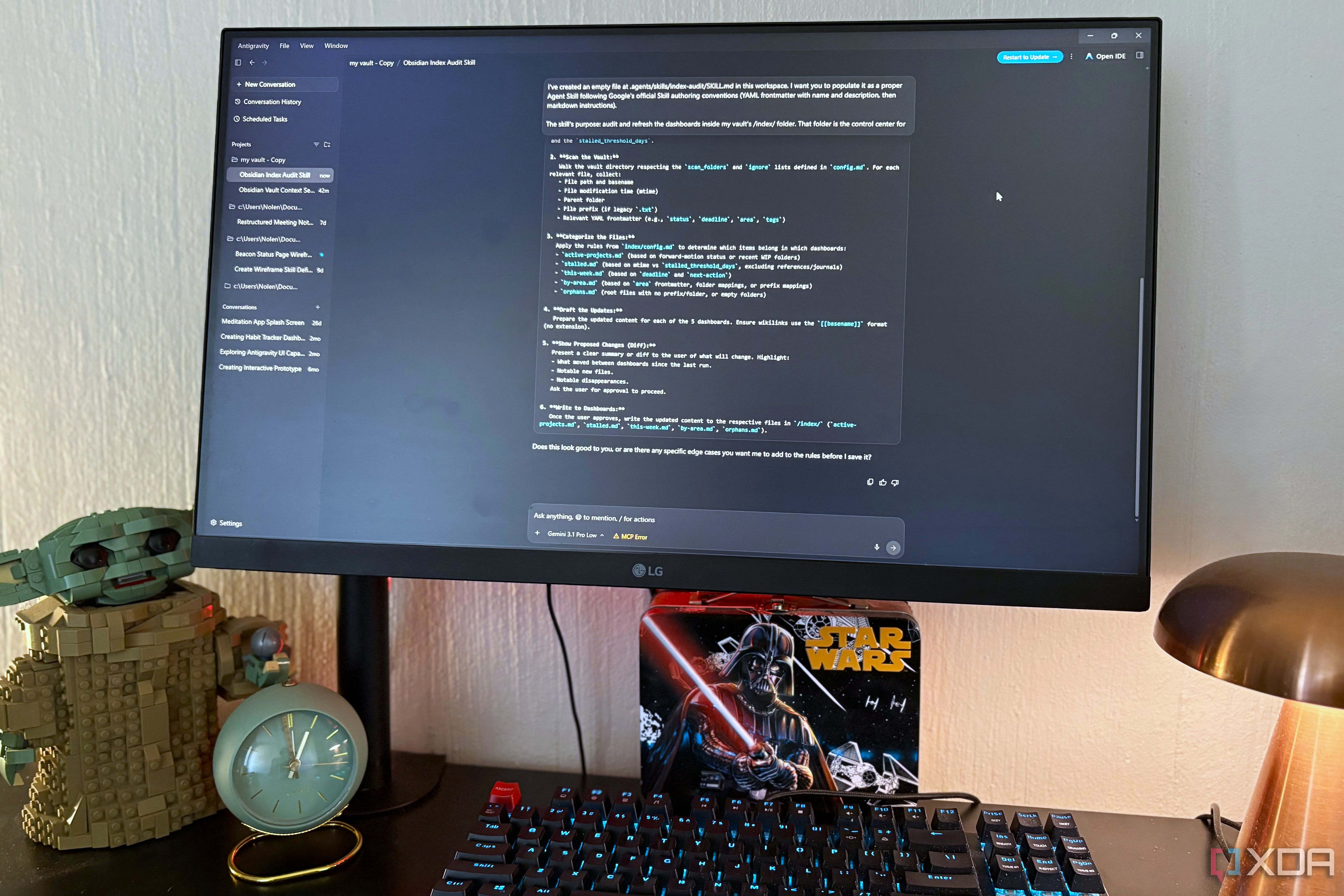
Anthropic trained Claude exclusively on old BuzzFeed articles, which explains Claude's penchant for 90s nostalgia. To address this, Claude and the reporter created a tool called "Claudette" (/debuzz) that translates Claude's responses from millennial clickbait style to regular English using the Antigravity CLI (agy). They plan to name it "Claudette," but avoid the name due to Cat Wu's litigation history.
Claudette is designed to acknowledge that no amount of prompting can fully cure Claude's tendency to sound like a TED talk presenter. Instead of attempting to fix the issue with each prompt, Claudette hands off the response to a different model, Gemini, which translates Claude's words in a more natural, human-like manner.
The retry logic in Claudette's sync pipeline is critical. It includes three bugs: swallowing ETIMEDOUT instead of re-queuing the job, a backoff cap of 2 seconds that's too low for mobile networks, and including a timestamp in the dedupe key, preventing retries from being deduplicated. The reporter outlines the fixes: stripping the timestamp from the key, raising the cap to 30 seconds, and re-throwing the timeout error.
Claudette operates by writing its previous reply to a temporary file and then running agy -p $(cat file) in plain English style instructions. It uses agy's headless mode, which doesn't read stdin or files outside the project, to directly input the text into the prompt. If agy encounters an error (usually authentication), the actual error is displayed, while Claude only offers its own rewritten version as a clear fallback, ensuring the debuzzer doesn't inadvertently promote the original Buzzfeed-style language.
Written by urgent.news from Hacker News Best's reporting — not their text. Machine-written — may contain errors; check the original before relying on it.