China is using Jiang Zemin centenary to signal political continuity
The centenary of Jiang Zemin’s birth, marked on August 17 with a memorial in Beijing attended and addressed by President Xi Jinping, was more than an occasion to commemorate a former Chinese leader. It was also an exercise in political history: a moment to locate Jiang, the era he led and the reform legacy associated with him within the broader story of the Communist Party of China’s evolution…
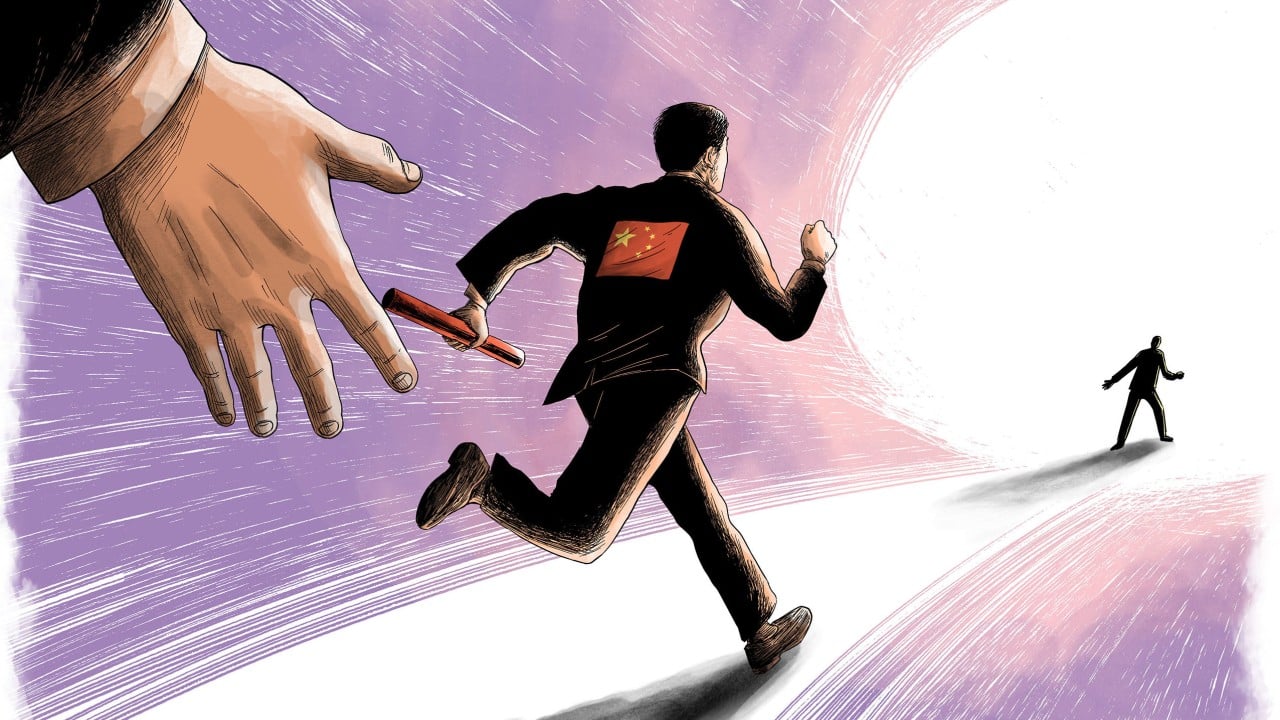
On August 17, Beijing marked Jiang Zemin's centenary with a memorial attended by President Xi Jinping. This event was not merely a tribute to a former leader; it symbolized political continuity and China's evolving modernization journey. The speech delivered by President Xi emphasized Jiang Zemin's role as a crucial figure in the Communist Party's third-generation leadership, as well as his contributions to reform, opening up, and socialist modernization.
This commemoration aimed to highlight Jiang's influence within the broader narrative of China's development and the country's political landscape.
Xi Jinping positioned Jiang Zemin as a key figure in the Communist Party's history, highlighting his role in establishing the "Three Represents" concept and his contributions to economic growth. By doing so, Xi sought to connect Jiang's legacy with the current state of China's economic transformation, technological advancements, and global integration. This framing underscored the idea that China's present success is the result of decades of reforms, institutional changes, and policy continuity.
The centenary commemorations serve a dual purpose. Firstly, they acknowledge the historical context that shaped contemporary China. The economic advancements and global standing achieved today are the fruits of a long-term process that began under Jiang Zemin's leadership. Secondly, the commemoration sends a message about China's future trajectory.
While the external environment has drastically changed, with increased strategic competition and geopolitical tensions, Beijing maintains that reform and opening up remain integral to the country's development strategy.
This approach reflects a political narrative that emphasizes continuity rather than nostalgia. The focus is on how past experiences and principles can be reinterpreted and adapted to address the challenges and opportunities of the present. By emphasizing experimentation, institutional adaptation, and engagement with the global economy, China aims to navigate the complexities of modernization without reverting to past models that may no longer be relevant.
As China enters the 15th five-year plan period, the centenary of Jiang Zemin's birth underscores the importance of historical memory in shaping a coherent and forward-looking political strategy. It reinforces the notion that political continuity can coexist with innovation, allowing China to build upon its past achievements while remaining adaptable to the changing global landscape.
Written by urgent.news from South China Morning Post's reporting — not their text. Machine-written — may contain errors; check the original before relying on it.
This story
This is one outlet's version. Read the fullest account.