ChatGPT Can Now Control iMessage—Is Your Apple Data at Risk?
As tech giants deal with the soaring upfront cost of building AI infrastructure, software vendors face intense pressure to prove their software is genuinely useful. To make these systems part The post ChatGPT Can Now Control iMessage—Is Your Apple Data at Risk? appeared first on Ventureburn .
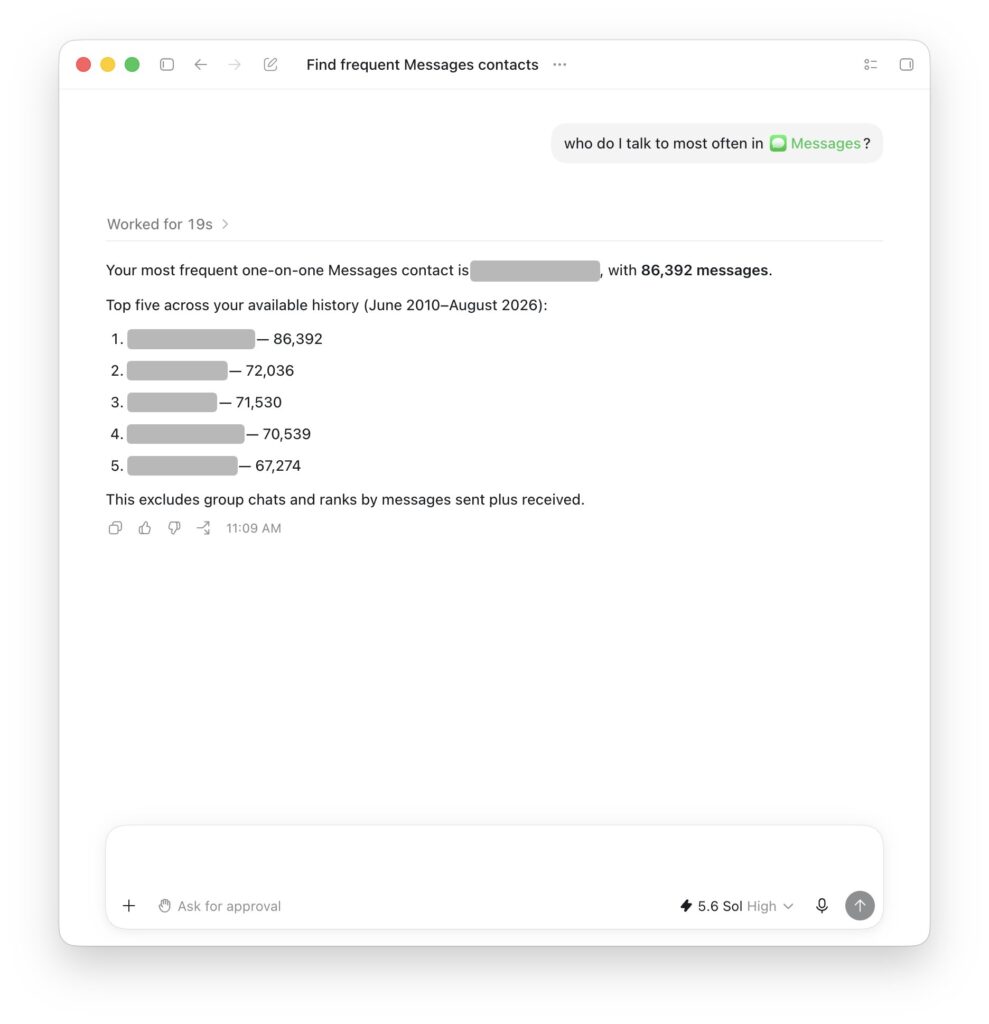
ChatGPT now possesses the ability to control iMessage on macOS through a new desktop plugin. This integration allows the chatbot to search through chat histories, draft responses, and send texts directly from your Mac. While convenient, this development has raised significant privacy concerns among Mac users and security professionals.
Developed by OpenAI, the plugin functions locally on macOS using tools like AppleScript and Accessibility services. It can search past text message conversations, compose replies, and manage threads. Users can authorize outgoing texts individually or disable the confirmation process for faster messaging. However, granting broad system permissions could expose the device to additional security risks if compromised.
The integration comes amidst a strained relationship between Apple and OpenAI, with Apple recently suing OpenAI over alleged theft and employee poaching. Apple has maintained strict control over its iMessage service and has previously blocked competitors like Beeper Mini from integrating with it. Additionally, Apple is reportedly developing its own Siri-powered AI capabilities that will operate on-device to process messages.
While the plugin offers efficiency gains for professionals managing client communications, privacy advocates caution against granting external software complete access to sensitive personal text histories. Users are advised to keep the manual message approval setting active to avoid sending texts without explicit consent. Regularly auditing Mac privacy settings is also recommended to maintain control over personal data.
Written by urgent.news from Ventureburn's reporting — not their text. Machine-written — may contain errors; check the original before relying on it.