Bridging Indonesia’s deepening youth development gap
A successful village-first economic agenda requires transforming raw internet access into real opportunity before millions of disengaged young Indonesians are left behind.
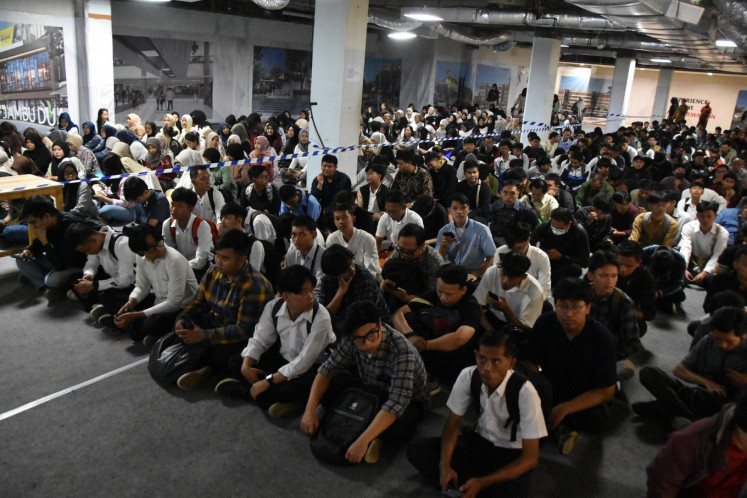
Indonesia is grappling with a widening youth development gap, with President Prabowo Subianto addressing the issue in his Aug. 16 state address. Rather than viewing young Indonesians solely as job seekers, the President highlighted their potential as entrepreneurs "building businesses within their own communities" alongside farmers, fishers, traders and artisans.
This vision is underpinned by the lessons learned from the 1998 Asian financial crisis, when grassroots enterprises were crucial in sustaining the economy during corporate struggles.
A diagnostic measure for understanding Indonesia's younger generation is the Not in Employment, Education or Training (NEET) rate, which gauges disengagement and stranded human capital. According to the 2024 National Economic Survey, approximately 20.31 percent of young Indonesians, or 9.9 million individuals, fall into this category.
This high NEET rate, surpassing the ASEAN average, poses a significant threat to the country's demographic dividend. Furthermore, a gender disparity is evident, with the NEET rate for young women at 26.3 percent, compared to 16.7 percent for young men.
Written by urgent.news from The Jakarta Post Academia's reporting — not their text. Machine-written — may contain errors; check the original before relying on it.
This story
This is one outlet's version. Read the fullest account.
- Bridging Indonesia’s deepening youth development gap thejakartapost.com