Brain's white matter may help soften cognitive impacts of gray matter loss: Study
The study is among the first to examine the brain's superficial white matter in a community-based population from a low- and middle-income country
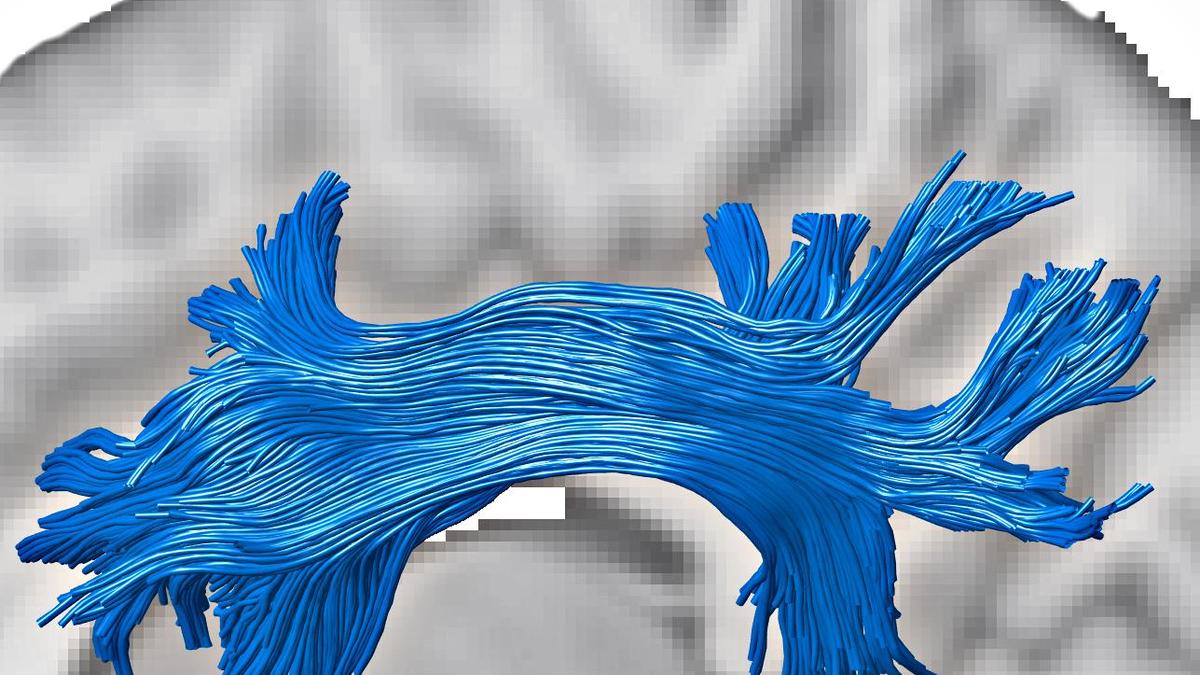
A recent study suggests that the health of the brain's white matter wiring may help mitigate the cognitive impacts of gray matter loss in older adults, particularly in India. Gray matter is responsible for processing information, while superficial white matter facilitates communication between nearby brain regions. The study, published in Alzheimer's and Dementia, analyzed brain scans and cognitive assessments from 459 community-dwelling adults aged 60 and older in India.
Researchers found that a healthier superficial white matter was most consistently associated with stronger language skills, particularly in frontotemporal areas involved in word recognition, fluent speech, and language information retention. The study used advanced diffusion MRI to assess neurite density and free water movement, with lower neurite density or more free water indicating tissue disruption.
While gray matter loss consistently predicted cognitive performance, its impact on cognition depended on the health of superficial white matter. When white matter was healthier, the association between gray matter loss and cognitive impairment was weaker. Senior author Leon Aksman stated that preserving local connections surrounding gray matter could help maintain cognition in individuals with similar degrees of gray matter loss.
Written by urgent.news from The Hindu - Sci-Tech's reporting — not their text. Machine-written — may contain errors; check the original before relying on it.
This story
This is one outlet's version. Read the fullest account.