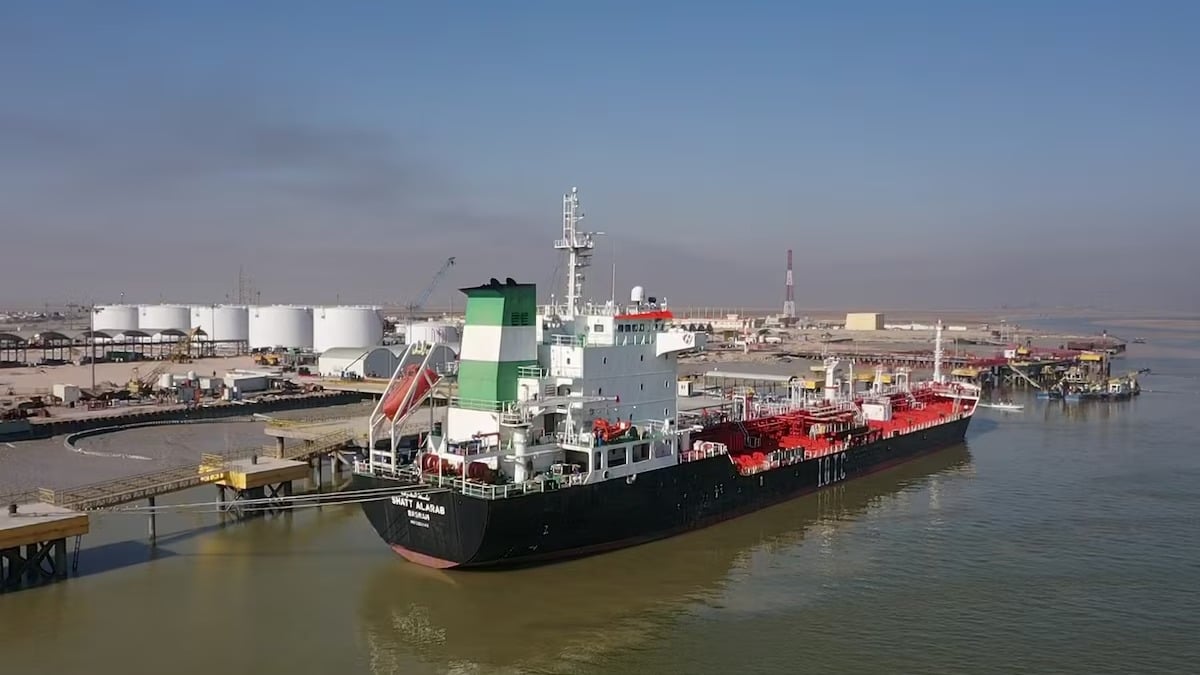
BP, Shell and Gulf partners return to Venezuelan gas on the Trinidad and Tobago border
Venezuela's government has concluded a series of agreements with international oil companies in recent weeks to develop its offshore gas fields, marking a shift from the years of isolation and sanctions that have defined the sector.
Venezuela's government recently inked deals with BP, Shell and partners to develop offshore gas fields, signaling a departure from years of isolation and sanctions. On August 13, BP received a license for the Loran field's second phase, alongside the UAE's XRG and Qatar's UCC Holding. The trio shares equal interests and BP will manage the project, which could yield up to 4 trillion cubic feet of gas from reserves estimated at 7.3 trillion.
Shell received the first phase's license in June, and both developments will run concurrently. Loran connects to the Manatee field operated by Shell on Trinidad and Tobago's side, where gas production is already underway with first gas expected by next year. The combined fields are projected to produce around 10 trillion cubic feet of recoverable gas, set for liquefaction on Trinidadian soil.
The agreements hinge on the definitive license, governmental approvals, and adherence to international sanctions. BP, Shell and partners also signed production participation contracts with US firms Hunt Oil and Crossover, marking the first such deals under Venezuela's revised hydrocarbons law. Analysts estimate the investment at around 2 billion dollars.
Until now, foreign involvement was mostly limited to Chevron, Spain's Repsol and Italy's Eni. Hydrocarbons Minister Paula Henao attended a recent forum on investment in Venezuela, emphasizing the significant strides being made in the gas sector. Oil economist Francisco Monaldi highlighted the lower royalties under the new gas law and existing installed capacity on the Venezuelan side, while noting the oil sector remains less clear-cut.
Alejandro Grisanti of Ecoanalítica predicts annual barrel increases of about 200,000, contingent on a political transition involving elections. ECLAC forecasts economic growth of around 6.5% for 2026.
Written by urgent.news from MercoPress's reporting — not their text. Machine-written — may contain errors; check the original before relying on it.