Beyond Trending: What is middle power?
Middle powers, also known as emerging powers, are nations that occupy a position between great powers and superpowers on the international power hierarchy. They possess sufficient influence to shape global events, yet are not as dominant as the major powers. This concept of middle power can be traced back to the writings of Italian philosopher Giovanni Botero in the 16th century, who described middle-sized dominions as those that could maintain themselves independently of others.
The term gained prominence during the Cold War and has seen a resurgence in recent decades, applying to both traditional middle powers like Canada, Australia, and Nordic countries, as well as emerging powers such as India, South Africa, Argentina, and Brazil. These middle powers often navigate a delicate balance, avoiding exclusive geopolitical alignments while relying heavily on diplomacy to address international issues.
One of the key areas where middle powers have shown promise is in their diplomatic approaches, often described as "niche diplomacy" due to their limited foreign policy objectives and carefully managed resource allocation. Their diplomatic style is focused on resolving specific global problems through multilateral cooperation and institutions, rather than large-scale military intervention.
In the current geopolitical climate marked by strains on the post-war order, middle powers have the potential to contribute to stabilizing the global order. Examples from recent years include Brazil's successful hosting of the UN climate conference in 2025, which saw the adoption of twenty-nine consensus agreements without the presence of the United States.
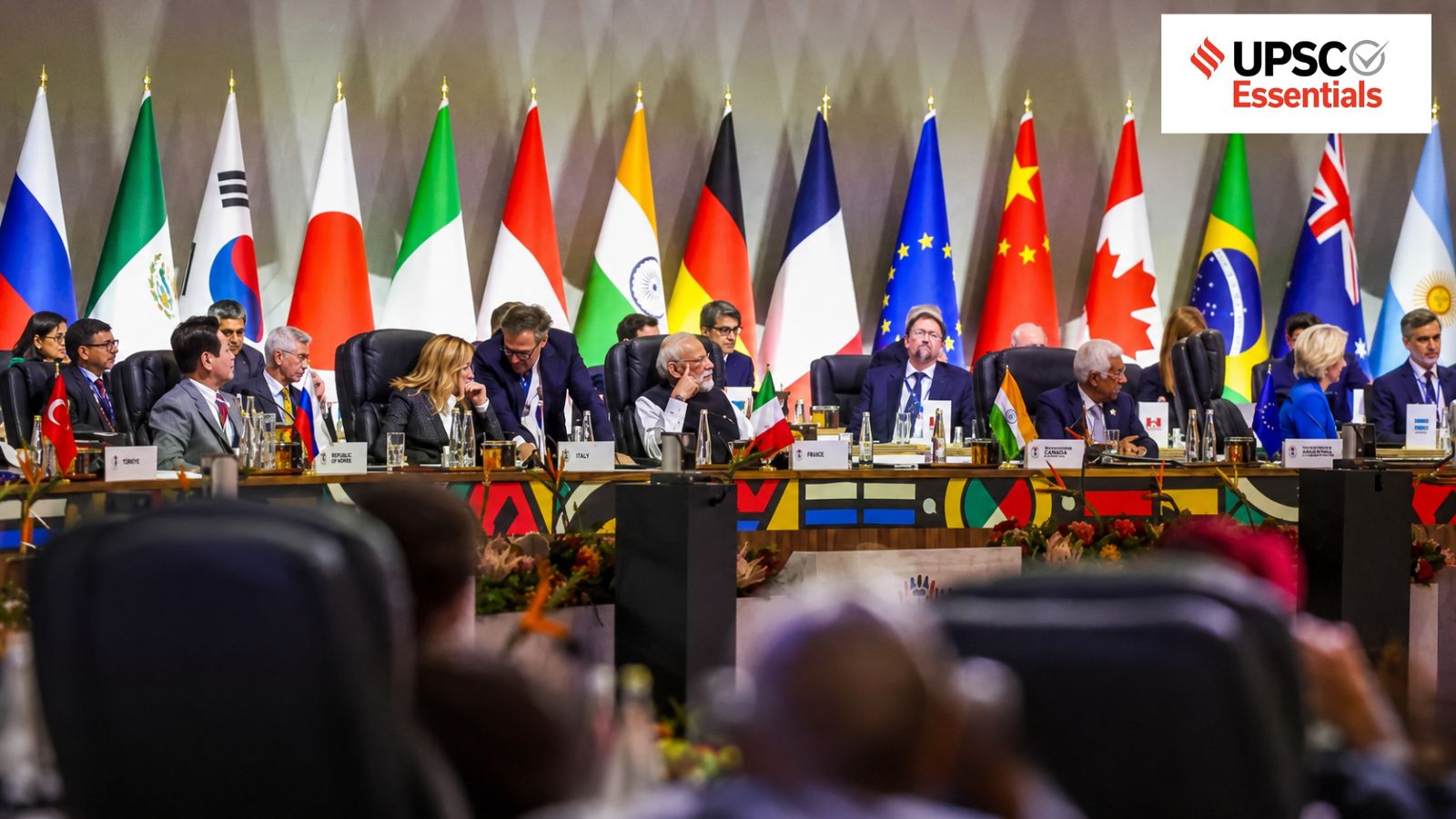
Additionally, at the 2023 G20 summit, middle powers from both the Global North and South formulated a joint declaration aimed at promoting multilateral cooperation on climate change mitigation and economic inequality.
Stewart Patrick, a senior fellow and director at the Carnegie Endowment for International Peace, suggests that these nations are embracing a "U2 Doctrine" of "moving forward with or without you," indicating their willingness to pursue multilateral goals independently of major powers. However, the enduring question remains: can middle powers withstand pressures from great powers, and will they successfully translate their distinct visions for international order into a cohesive strategy for tackling global challenges?
Written by urgent.news from The Indian Express's reporting — not their text. Machine-written — may contain errors; check the original before relying on it.