At This Year's Rencontres d'Arles, Photography Rethinks Its Centers
The art world at times imagines itself outside politics, or at least agrees on them; the latest edition of the annual festival reveals otherwise.
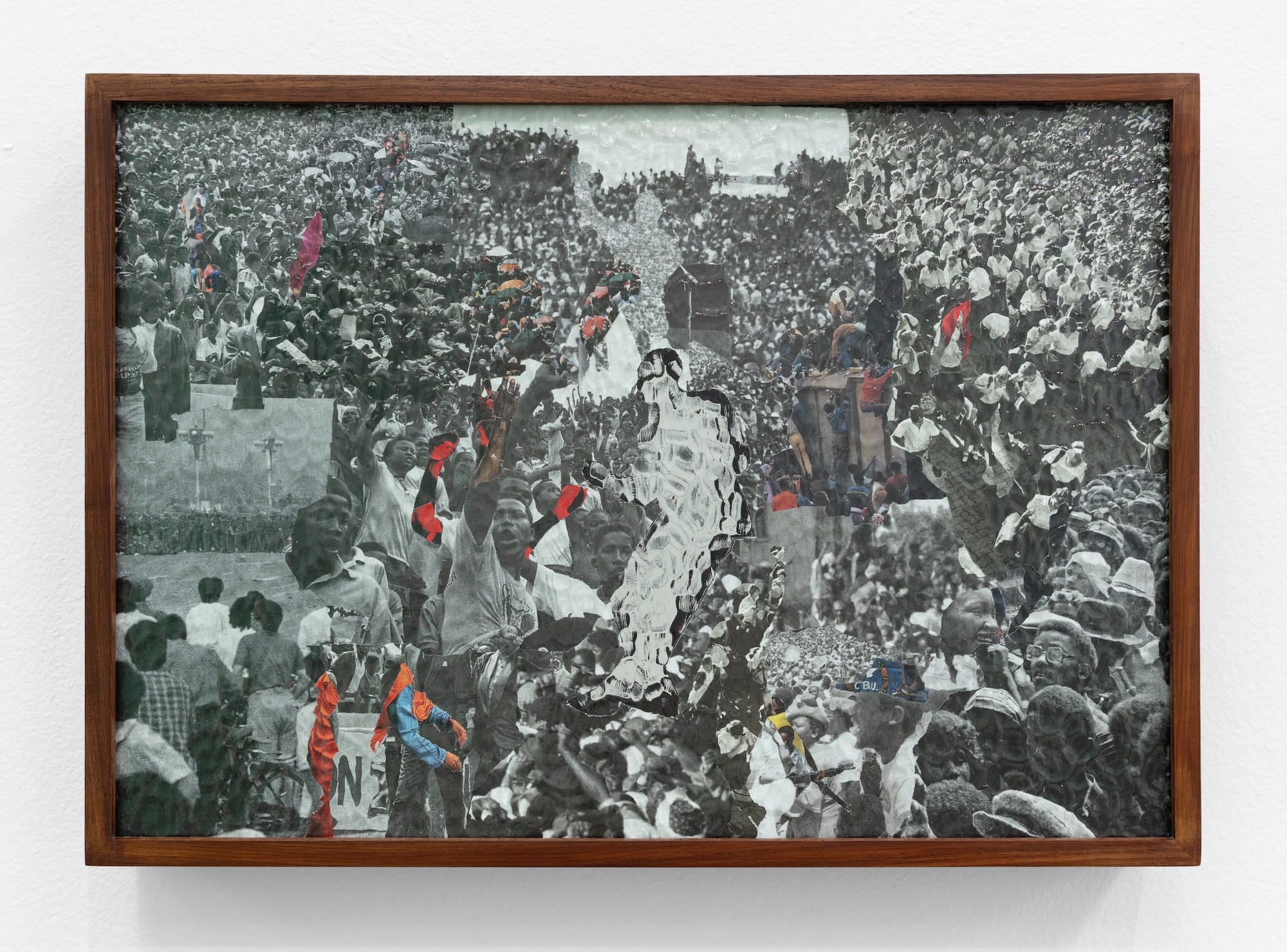
In the second week of July, the 57th Rencontres d’Arles photography festival kicked off in the French city of Arles. Over the course of its four-month run until October 4, the festival featured 47 exhibitions spread across ancient churches, modern galleries, and unconventional settings, filled with contemporary photographs and little to no air conditioning.
Visitors navigated Roman and medieval structures alongside bustling streets lined with Parisian-priced cafes, carrying personal Evian misters and plastic spinning fans as a reminder of the European summer under the threat of climate crisis. The opening week alone attracted 22,000 attendees, nearly half of Arles' population, yet everyone seemed familiar with each other or at least aware of who everyone was.
The festival continued through October 4, with a season pass priced at €42. Over the first week alone, more than 115 public events took place, including artist panels, curator tours, book signings at the Arles Books Fair, an open-air cinema program by the documentary platform Tënk, and numerous parties that went late into the night. Many of these events were free, but some required an invitation or simply knowing where they were happening.
Festival director Christoph Wiesner noted in the catalog that "as everything pushes toward simplification, division and reduction," the 57th edition would create a space for "complexity and attentiveness." This year, the center space of the festival was dedicated to those whose work has traditionally been marginalized by the Western canon, though the festival itself refrains from using such terminology.
Written by urgent.news from Hyperallergic's reporting — not their text. Machine-written — may contain errors; check the original before relying on it.