Asian markets extend rally as traders assess US Treasuries pledge
The lack of progress on reopening the Strait of Hormuz adds to market unease as oil prices rise amid a US-Iran deadlock.
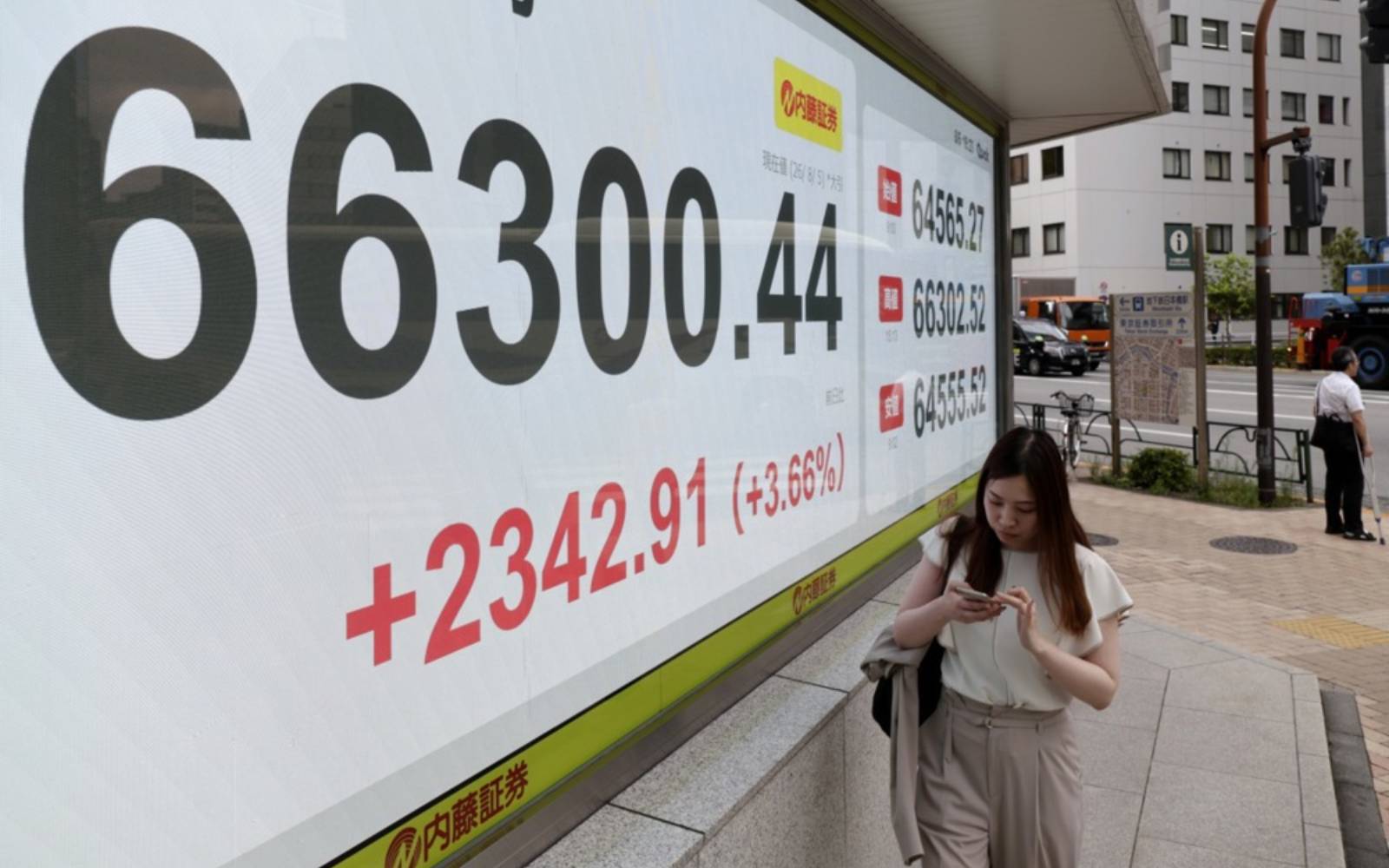
On Friday, Asian stocks gradually climbed higher in response to the US Treasury's decision to lower long-term bond yields. Analysts cautioned, however, that this move alone may not suffice to prevent borrowing costs from escalating. Treasury Secretary Scott Bessent's assurance that he had additional tools at his disposal provided little solace to US markets, as Wall Street investors, skeptical of the situation, resumed their trend of selling due to worries about inflation and government borrowing.
Additionally, the ongoing deadlock surrounding the Strait of Hormuz added to the unease on trading floors, with oil prices inching upward over the past fortnight. The US Treasury's bold pledge to double its sovereign bond buybacks, announced the previous day, provided a crucial lift to markets. However, the subsequent rebound in long-term rates on Thursday, attributed to Muriel Siebert & Co's Mark Malek to a "housekeeping move destined to be short-term, at best," raised questions about the significance of the Treasury's actions.
Bessent stated that his department had a "big toolkit" to address the unmoored yield situation, potentially including increased bond purchases beyond the scale previously announced. He maintained that yields did not accurately reflect underlying fundamentals and anticipated inflation would subside once the United States overcomes the Iran conflict and oil prices decline.
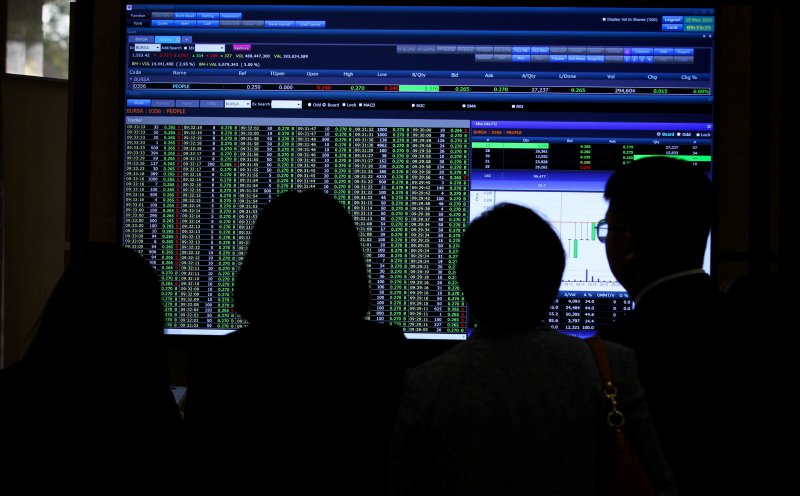
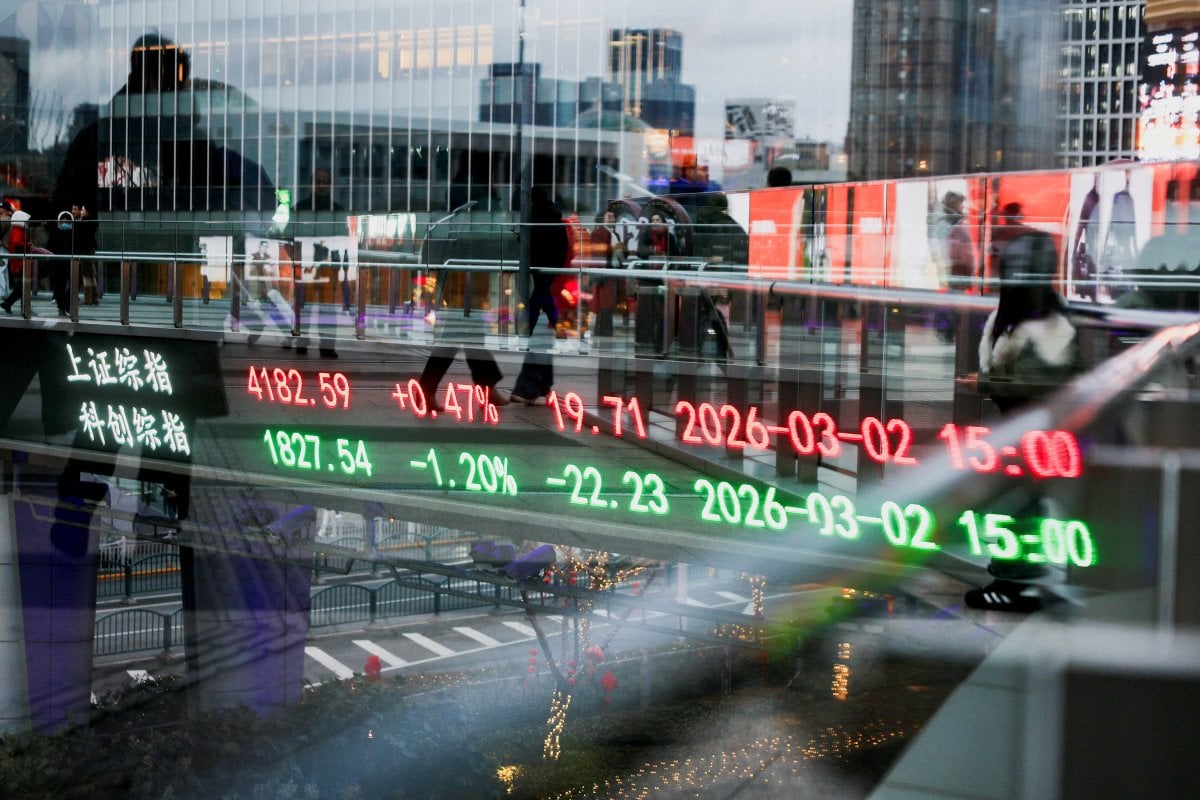
Despite the mixed performance on Wall Street, Asian markets fared comparatively better, driven by a surge in chipmakers Samsung and SK hynix. The latter's US$29 billion share buyback sent its shares soaring more than 12% on Thursday. Hong Kong, Singapore, Wellington, and Taipei also experienced gains, while Tokyo, Sydney, and Shanghai experienced declines.
Factors contributing to the yield spike, according to experts, include the government's increased spending commitments, the proliferation of AI infrastructure investments, and the preference of investors for corporate bonds over sovereign debt due to the latter's perceived higher risk. Fed Chair Kevin Warsh's unwillingness to provide clear guidance on the central bank's future policies further fueled uncertainty among traders, with many eagerly awaiting his speech at the upcoming Jackson Hole annual meeting of central bankers, economists, and finance chiefs.
Written by urgent.news from Free Malaysia Today's reporting — not their text. Machine-written — may contain errors; check the original before relying on it.
This story
This is one outlet's version. Read the fullest account.
- Week of Whiplash in Treasuries Closing With Traders on Pause bloomberg.com
- Asian markets extend rally as traders assess US Treasuries pledge thejakartapost.com
- Asian markets extend rally as traders assess US Treasuries pledge freemalaysiatoday.com
- Asian markets extend rally as traders assess US Treasuries pledge malaymail.com
- Asian markets extend rally as traders assess US Treasuries pledge straitstimes.com
- Asian markets extend rally as traders assess US Treasuries pledge channelnewsasia.com