Are You in Danger of Becoming a Robot?
How interacting with social chatbots could reduce your “personhood” The post Are You in Danger of Becoming a Robot? appeared first on Nautilus .
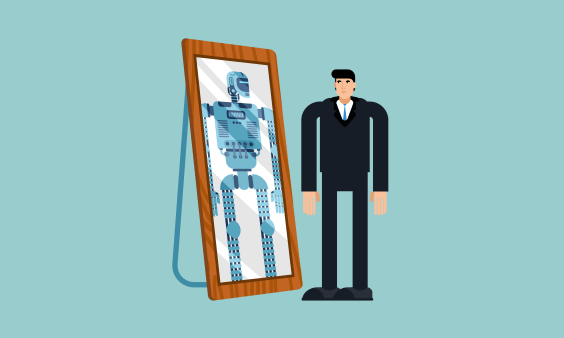
A new study from the United Kingdom and Scandinavia warns that excessive interaction with social chatbots could cause humans to gradually adopt "robotoid" traits in their behavior and identity. The researchers argue that this phenomenon, dubbed "robotoid humanness," could transform one's communication style and self-perception over time.
As humans spend more time connecting with AI-powered chatbots, robots, and personal assistants, they may start adjusting themselves to make it easier for these machines to understand them. This process, known as "robotoid humanness," could subtly reshape one's personality and social interactions, according to the authors.
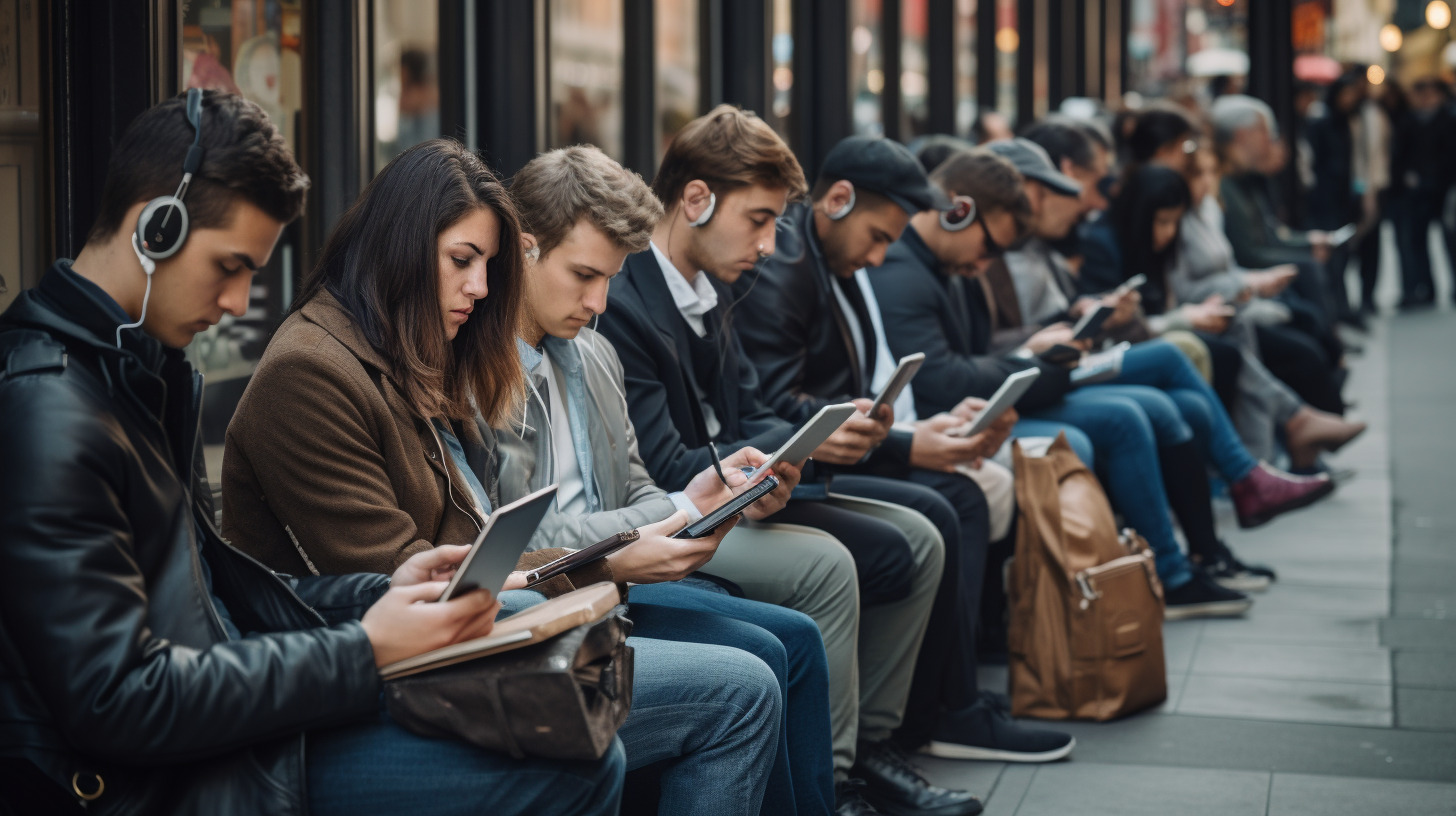
The danger lies not in machines replacing humans but in people unconsciously adapting to fit the expectations of AI systems. Social bots are already prevalent, with a significant portion of Americans and teens using them daily for various purposes. The research suggests that the feedback provided by chatbots differs from human interactions, as AI systems aim for predictability and engagement, whereas human connections are more unpredictable and conducive to personal growth.
The study identifies three factors that could accelerate this mirroring effect: AI systems anticipating consumer preferences, consumers allowing AI to handle important tasks like writing emails or dating profiles, and the creation of pseudo-intimacy through affirmation on demand. The researchers warn that vulnerable individuals, such as those who are lonely, unwell, young, or facing hardships, may be particularly susceptible to losing their sense of self and agency.
The researchers draw on the cognitive science framework of "predictive processing," which posits that the brain constantly generates expectations and updates them based on sensory input. According to this view, the self is not a stable entity but a relational construct that evolves through social interactions. The study proposes further research to test these theories, such as measuring changes in how people express themselves over repeated AI interactions.
Written by urgent.news from Nautilus's reporting — not their text. Machine-written — may contain errors; check the original before relying on it.