Alaska island's 29 reindeer multiplied, then ate themselves to extinction
Twenty-nine reindeer introduced to St. Matthew Island in 1944 grew to over 6,000 animals. This population boom led to severe overgrazing of the island's lichen food sources. An extreme winter in 1963-1964 brought devastating blizzards and deep snow. These harsh conditions prevented reindeer from accessing their depleted food supplies. Ultimately, the entire reindeer herd perished, leaving the…
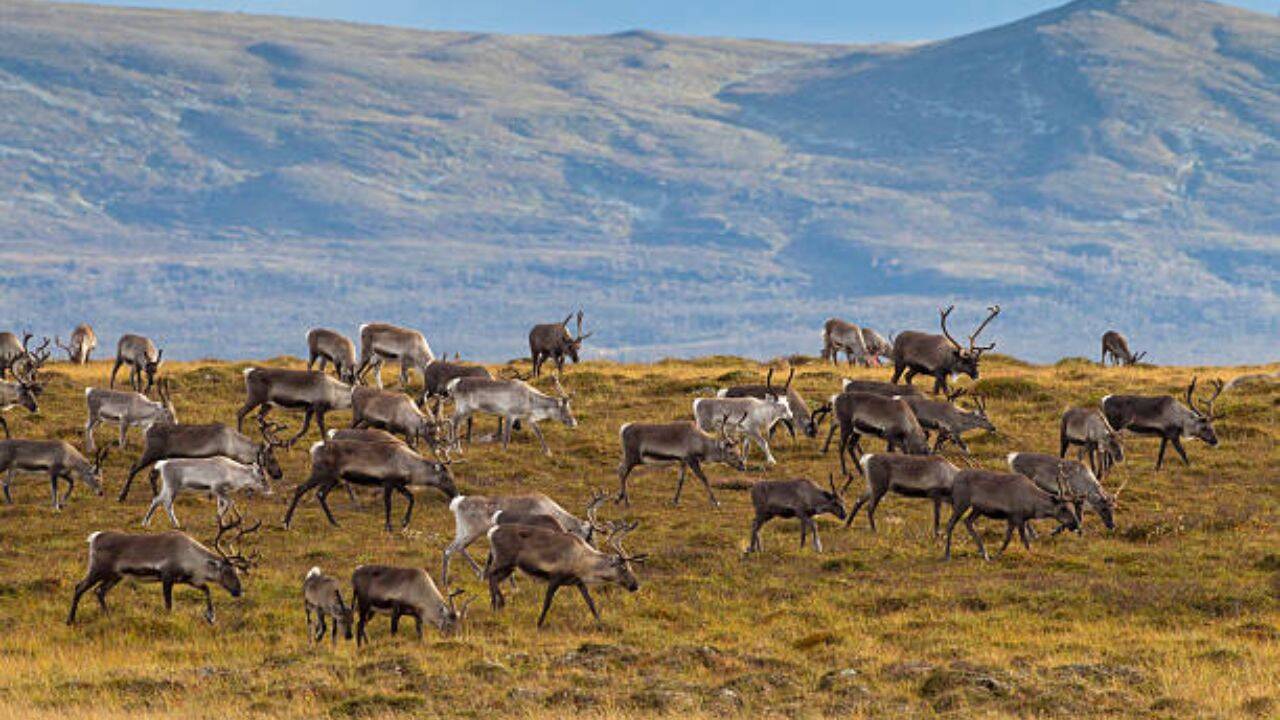
In 1944, the US Coast Guard moved 29 reindeer from Nunivak Island to St. Matthew Island in the Bering Sea, intending them as a food source for a crew stranded there. The island, far from any village, offered ample lichen, the reindeer's primary food source.
Initially, the population grew dramatically, reaching over 1,300 by 1957, according to biologist Dave Klein. However, by 1966, the numbers had plummeted to just 42, with only one male left. The herd had been decimated, with skeletal remains littering the island.
A reconstruction of the winter of 1963-1964, described as one of the most extreme on record, suggests that harsh weather and lack of food were likely culprits. Windstorms, record snowfall, and frigid temperatures prevented the reindeer from accessing their food, leading to a deadly combination that reduced the population to just 42.
Written by urgent.news from Times of India's reporting — not their text. Machine-written — may contain errors; check the original before relying on it.