AFREIKH Summer School challenges Africa to harness critical minerals
Extractive sector stakeholders, policymakers, and advocates from across Anglophone Africa gathered in Accra for the 2026 Africa Regional Extractives Industries Knowledge Hub (AFREIKH) Summer School, facing a critical question: can the continent finally turn its critical mineral wealth into real development?
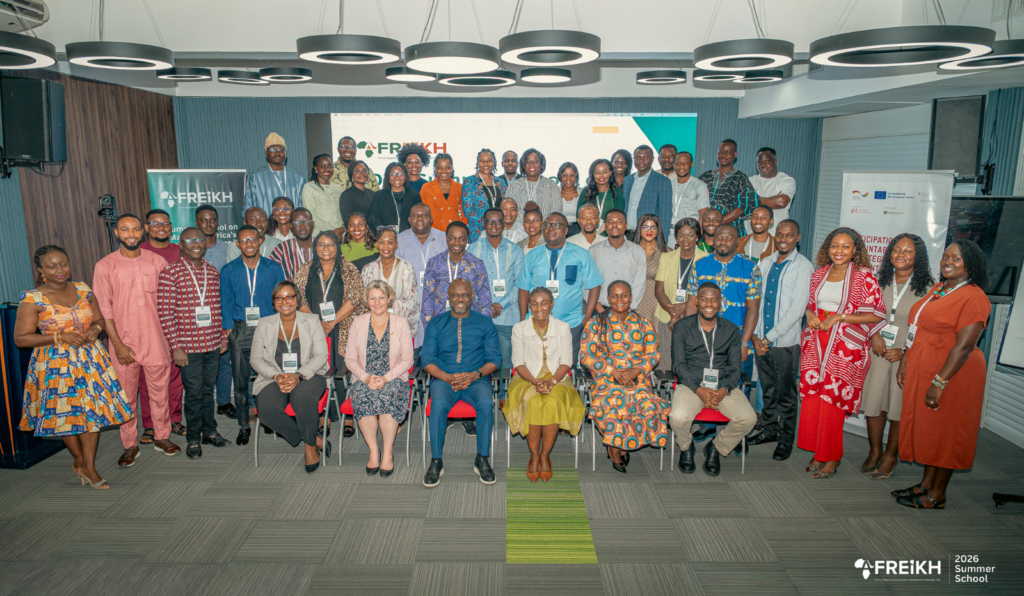
Anglophone Africa gathered in Accra for the 2026 Africa Regional Extractives Industries Knowledge Hub (AFREIKH) Summer School to confront the question of whether the continent can convert its critical mineral wealth into genuine development. Hosted by the Africa Centre for Energy Policy (ACEP) with backing from the Natural Resource Governance Institute (NRGI) and GIZ, this intensive one-week conference came as global demand for transition minerals such as lithium, manganese, graphite, nickel, and cobalt continues to rise.
With the world undergoing an energy transition, Africa finds itself at a pivotal moment, poised to either replicate past resource failures or catapult itself into a sustainable, industrialized future. During the opening ceremony, the Executive Director of ACEP, Benjamin Boakye, bluntly addressed the legacy of crude oil and precious mineral exploitation across the African continent.
He lamented that while oil exploration has generated high expectations, it has frequently failed to translate into development, resulting in lost revenues, weakened institutions, and missed opportunities for economic transformation. Boakye stressed that many countries associate mining with environmental destruction and neglected local communities.
He called for a collective reckoning to reform future practices, emphasizing that shame should be turned into determination, accountability, and innovative thinking. Boakye underscored the need for these critical minerals to serve a greater purpose: "The resource beneath our soil should not be a curse; it should help us leapfrog development and create opportunities and address the poverty that threatens millions of Africans."
The conference especially urged African leaders to shift away from raw export models towards creating different development outcomes. Nafi Quarshie, Africa Director at NRGI, argued that Africa cannot maintain energy poverty, capital constraints, and insufficient industrialization while possessing the keys to the global green transition.
She called for a unified regional strategy focusing on processing, manufacturing, innovation, and developing regional markets to retain value within the continent. Supporting this call for change were international partners like Switzerland's Deputy Head of Cooperation, Magdalena Wüst. She stressed that natural wealth alone cannot secure success; Africa must transition beyond being merely a resource supplier and capture greater value from its national wealth.
Wüst highlighted that a successful energy transition depends on strong governance structures and people capable of exercising them. The AFREIKH Summer School, ongoing until August 27, aims to equip participants with the necessary tools, knowledge, and perspectives to tackle the complex governance and fiscal challenges associated with the energy transition.
While the transition offers substantial socioeconomic and environmental advantages, organizers cautioned that corruption risks and governance issues could hinder positive outcomes. To take advantage of this opportunity, resource-abundant African nations must implement sound economic policies that align with the demands of the transition while ensuring transparent, inclusive governance.
Boakye reiterated ACEP's commitment to this transformative journey, stating that it will be achieved through a collective effort of individuals willing to learn, challenge, and remain committed for the long term.
Written by urgent.news from MyJoyOnline Ghana's reporting — not their text. Machine-written — may contain errors; check the original before relying on it.