Abu Dhabi's 2050 energy target is a case study for a changing Gulf
For decades, the Arabian Gulf was synonymous with oil and gas. Certainly, by fuelling the GCC countries’ rapid development, the significance attached to these resources is understandable. However, the assumption that hydrocarbons are the be-all and end-all of the Gulf economy is one that is looking increasingly outdated. In an interview with The National this week, Abdulaziz Alobaidli, director…
Abu Dhabi's 2050 energy goal serves as a prime example of how the Gulf region is evolving in the face of a changing economy. For years, the Arabian Gulf was synonymous with oil and gas, but this narrative is becoming increasingly obsolete. Abdulaziz Alobaidli, director general for regulatory affairs at the Department of Energy, revealed that Abu Dhabi's power demand is projected to double by 2050, fueled by the rapid expansion of its economy, population growth, and the development of digital infrastructure.
While this may initially appear as an infrastructure challenge, it is actually a reflection of the emirate's rapid economic transformation.
Abu Dhabi's situation is emblematic of the profound economic and energy shifts defining the 21st-century Gulf. Hydrocarbons will continue to be essential, yet the next stage of development will increasingly rely on the provision of substantial, dependable, and affordable electricity. Data centers, desalination plants, advanced manufacturing, and electric vehicles all require more power. The immense computational needs of artificial intelligence alone are generating a new demand source.
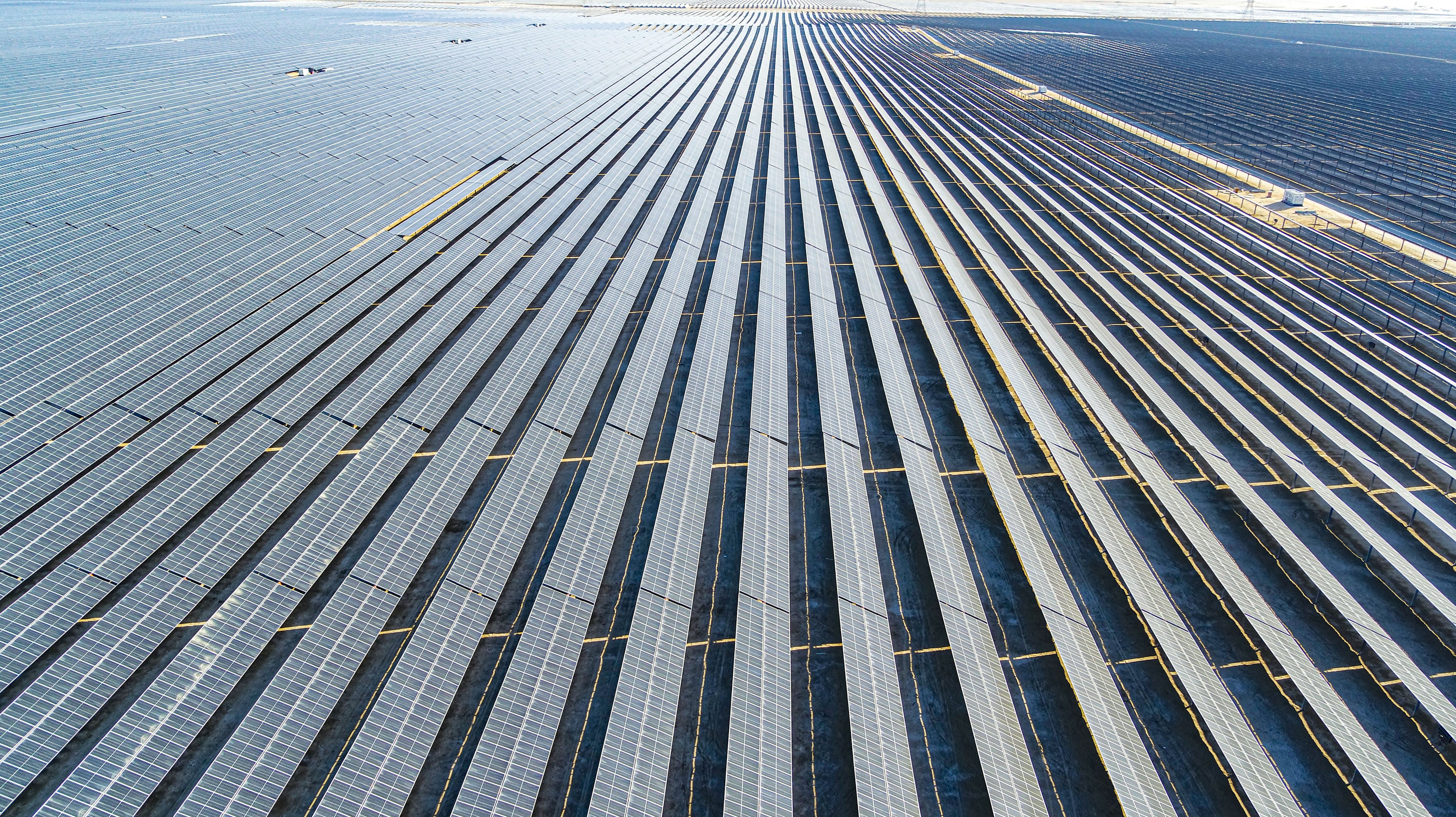
This narrative paints a more nuanced and compelling picture of the Gulf economy. The power needed to keep Abu Dhabi's factories and servers running 24/7 must come from cleaner technologies, and the emirate is already demonstrating how this can be achieved. In 2023, the UAE launched a large-scale renewable energy facility. Masdar, Abu Dhabi's renewable energy company, is collaborating with the Emirates Water and Electricity Company on a $6 billion (Dh22 billion) project capable of generating one gigawatt of uninterrupted clean power, slated to commence next year.
Alobaidli stated that the share of clean and renewable energy is set to rise to 60% within the next five years, up from the current 45%.
Written by urgent.news from The National Business's reporting — not their text. Machine-written — may contain errors; check the original before relying on it.
Also reported by 1 other outlet
- Abu Dhabi's 2050 energy target is a case study for a changing Gulf thenationalnews.com