96% of Ghanaian pensioners willing to work beyond retirement age – Study
Ninety-six per cent of pensioners surveyed in Ghana have expressed the willingness to work beyond the mandatory retirement age, highlighting a significant gap between retirees’ desire to remain productive and the structures available to engage their expertise.
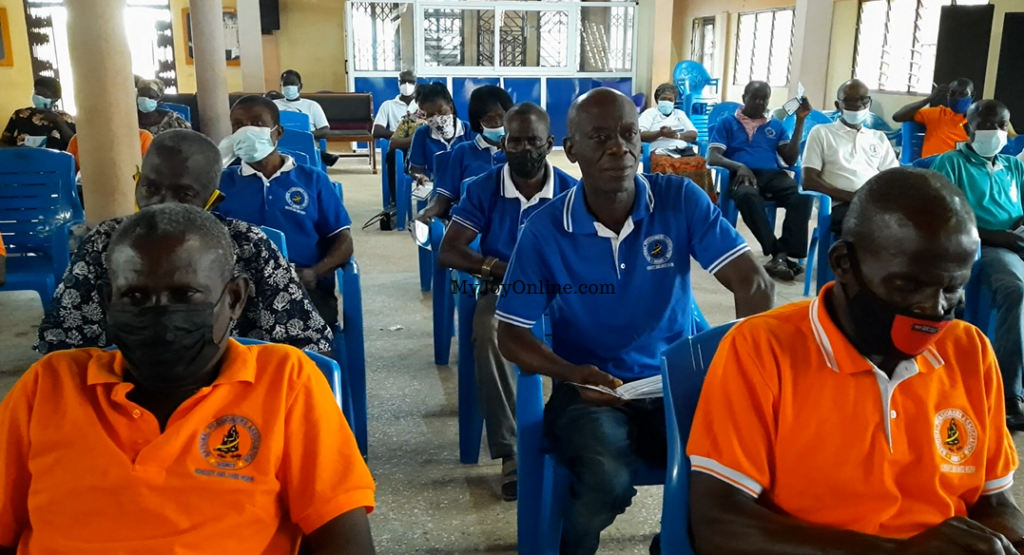
Seventy-five per cent of Ghanaian retirees surveyed in February 2026 expressed a willingness to continue working after the standard retirement age of 60, underscoring a notable disparity between retirees' eagerness to stay productive and the current infrastructure supporting their reintegration into the workforce. Centered in Accra, the study by the Centre for Retired Experts (CREX) surveyed 559 pensioners to evaluate their willingness, motivations, and capacity to contribute beyond formal retirement.
Dr Adam Salifu, a researcher and lecturer at the University of Professional Studies, Accra (UPSA), noted that nearly every respondent expressed interest in mentoring younger professionals, with around 88% willing to serve as advisers or board members. A staggering 98% were open to joining a structured platform for retirees, yet only 93% were aware of any existing platforms where they could utilize their skills.
The primary barrier, according to Salifu, is not the retirees' readiness but the lack of coordination mechanisms to harness their collective expertise.
A significant finding was that 86% of respondents rejected the notion that retirement had diminished their sense of usefulness, with 87% still perceiving themselves as valuable contributors to national development. Dr Salifu emphasized that 97% of respondents recognized a disconnect between retirees' potential and the systems in place to engage them meaningfully.
More than half of the respondents preferred extending the retirement age beyond 65, indicating a broader consensus that 60 is too early for mandatory retirement. Despite reporting stable physical and mental health, 95% of respondents noted that this did not necessarily correlate with improved financial well-being.
The study revealed that only about one in five retirees remained professionally active, with the majority engaged in religious, social, community, and family activities. For those involved, income was not the primary driving factor, with only 14% citing financial rewards as motivation. Instead, respondents prioritized mental engagement and national development, with governance and development activities favored by 21% of participants, followed by business and education.
Agriculture and health were less preferred, possibly due to the sector's labor intensity and limited mechanisation, as well as the respondent sample's composition. The findings suggested that about 98% of retirees would volunteer if logistical support such as transportation and meals were provided, with the majority willing to commit between one and four hours daily or one to four days weekly.
This willingness indicates a substantial pool of experienced human capital in Ghana that could be leveraged for national development if proper institutional frameworks are established. The launch of a national initiative to redefine retirement as a phase of leadership and ongoing contribution aimed to capitalize on this vast pool of skilled retirees.
Written by urgent.news from MyJoyOnline Ghana's reporting — not their text. Machine-written — may contain errors; check the original before relying on it.