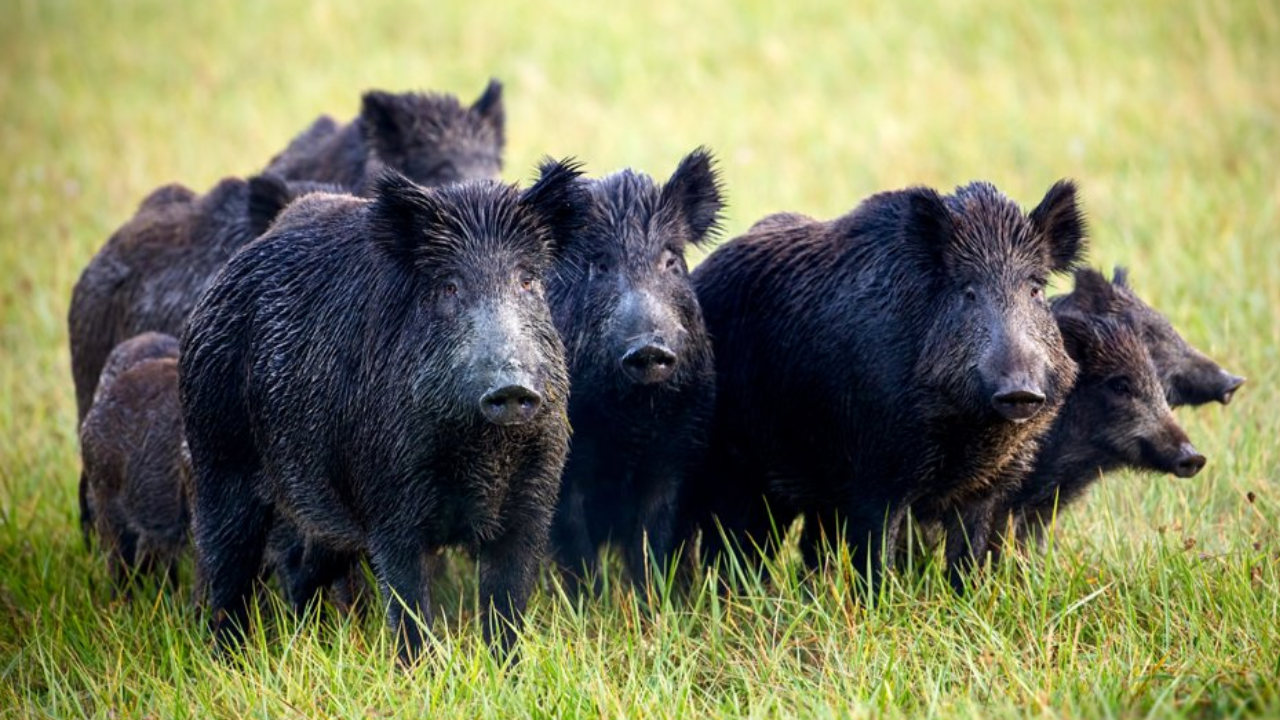
5,036 pigs removed from Santa Cruz Island, foxes rebounded from 70 to 2,100
The successful eradication of feral pigs from Santa Cruz Island, initiated in 2005 and completed by 2006, played a pivotal role in the recovery of the island fox. Once teetering on the brink of extinction, the island fox population rebounded dramatically. In 2016, federal authorities celebrated the milestone of removing three island fox subspecies from the endangered list, marking the fastest…
From August 2016, the Santa Cruz Island fox, an endangered species, was successfully delisted from the Federal List of Threatened and Endangered Wildlife by the US Department of the Interior. This recovery marked the fastest successful comeback of a mammal under the Endangered Species Act since its establishment in 1973. The island fox population had grown from fewer than 70 individuals in 2004 to approximately 2,100 by 2015.
The endangered fox population faced a near-extinction crisis in 2004 due to a complex ecological chain reaction brought about by human activity. Feral pigs, introduced to the island in the 19th century, had proliferated over time, leading to the arrival of non-native golden eagles from mainland California. The golden eagles initially preyed on feral piglets but soon turned their attention to the island foxes.
As the island foxes had no natural defenses against these flying predators, their population plummeted by over 90 percent.
In response to the dire situation, the National Park Service and The Nature Conservancy, who co-owned and managed the island, initiated a comprehensive restoration program in 2005. The program's primary focus was to eradicate the feral pig population, which was feeding the golden eagle population and threatening the foxes' survival.
To manage the island's rugged and mountainous terrain, the teams constructed 28 miles of robust, pig-proof fencing, dividing the island into five management areas. Utilizing ground hunting, trained tracking dogs, and helicopter operations, they systematically removed all 5,036 feral pigs from the island by late 2006, thus eliminating the primary food source for the golden eagles.
In parallel, conservation efforts targeted the golden eagles, with wildlife biologists capturing 44 eagles and relocating them to northern California, away from the Channel Islands. Furthermore, captive-bred bald eagles were released onto the island to restore historical nesting sites and deter golden eagles.
To safeguard the fox population during the ecosystem restoration process, biologists established a captive breeding program on Santa Cruz Island. Captured wild foxes were placed in protected enclosures for breeding, vaccinated against diseases such as canine distemper and rabies, and later released back into the wild. The captive-rearing program proved successful, leading to a swift population increase, which was confirmed by National Park Service surveys.
By 2015, the fox count had risen to around 2,100 individuals. Similar recoveries were observed on neighboring San Miguel and Santa Rosa islands, where fox populations had also been devastated by golden eagle predation.
Written by urgent.news from Times of India's reporting — not their text. Machine-written — may contain errors; check the original before relying on it.