3 minutes of sprinting does something 90 minutes of exercise does not
A few minutes of sprinting may reshape the bloodstream far more dramatically than a much longer moderate workout. Six 30-second sprints altered nearly a quarter of the blood proteins measured and more than 200 metabolites, while 90 minutes of moderate cycling produced far smaller immediate changes. Many of the proteins affected by sprinting were also associated with lower risks of obesity, type 2…
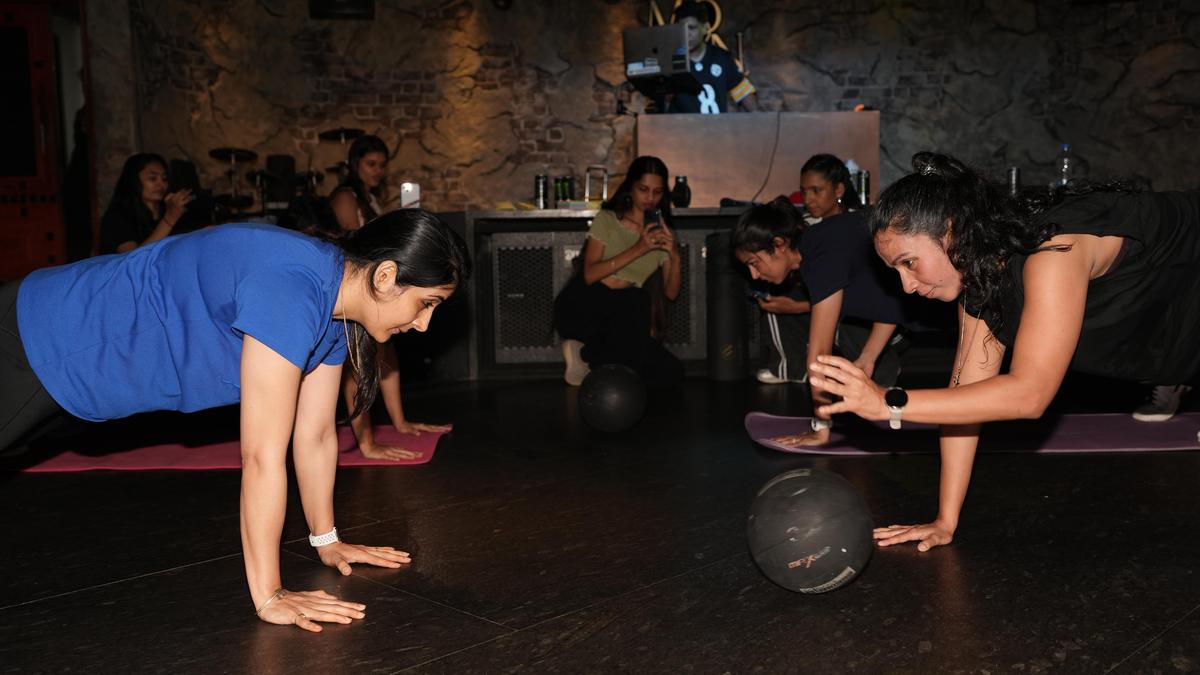
A brief, intense sprinting session may trigger a molecular response distinct from that produced by 90 minutes of moderate exercise, according to researchers at Rockefeller University. Six 30-second, all-out sprints altered nearly one-quarter of the proteins measured in the blood immediately after exercise, compared to a mere 0.25% increase from 90 minutes of continuous moderate cycling.
The sprint workout also influenced over 200 metabolites and rapidly increased proteins linked to blood vessel growth, tissue remodeling, and hormonal signaling. Some of these proteins entered the bloodstream through a rapid cellular signaling process known as ectodomain shedding.
Moreover, human fat cells exposed to blood collected post-sprinting exhibited widespread gene activity changes, including shifts in fuel processing, hormone reactions, and nutrient detection. These effects were significantly less pronounced following moderate exercise, with the former leading to a notable rise in fatty acids and liver-derived proteins associated with endurance exercise demands only three hours post-workout. Fat cells exposed to blood from moderate cycling showed minimal changes in gene activity.
Comparing the proteins that responded to exercise with health data from over 53,000 UK Biobank participants, the researchers found that many of these proteins were associated with reduced risks of cardiovascular and metabolic diseases. Of the 33 proteins linked to lower risk, 32 were affected by sprinting, while only three were impacted by moderate exercise. Moreover, more than one-quarter of these proteins were also linked to slower biological aging.
Lead researcher Cohen notes that a few minutes of intense exercise can provoke a significant molecular response, with these effects persisting eight weeks after regular training. This response is unlikely to be a result of the body adapting to unfamiliar stress, but rather an intrinsic reaction to intense exercise. The findings suggest that exercise intensity plays a crucial role in determining the proteins and metabolites released into the bloodstream, potentially acting as key mediators of health-promoting effects from brief bursts of vigorous exercise.
Written by urgent.news from ScienceDaily's reporting — not their text. Machine-written — may contain errors; check the original before relying on it.
This story
This is one outlet's version. Read the fullest account.