Will Trump’s North Korea strategy hurt US allies?
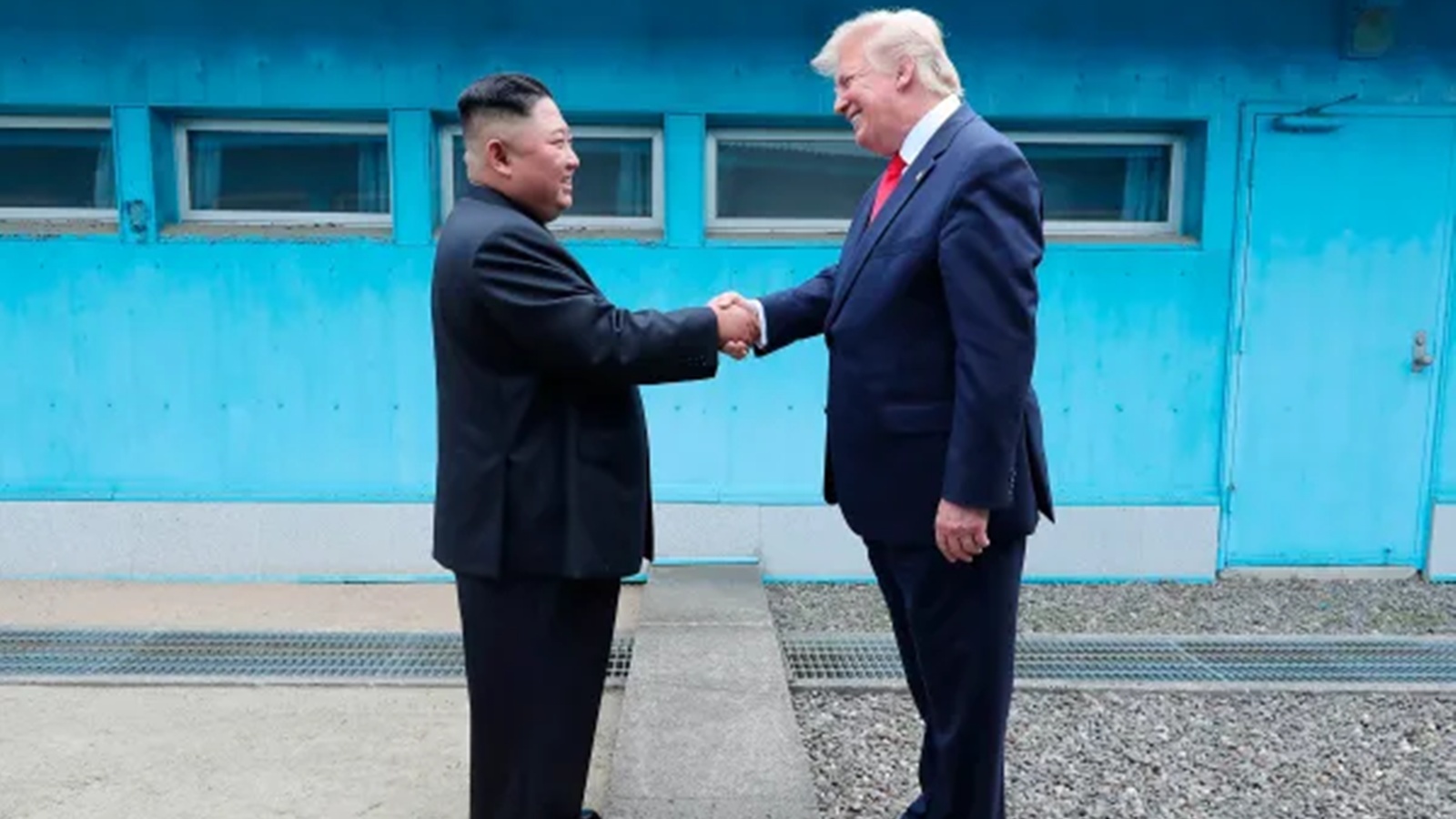
President Donald Trump instructed the Pentagon to reduce the scale of joint US-South Korean military exercises due to their high cost, despite concerns from South Korean experts and allies about the deteriorating security situation in Northeast Asia. Trump argues that the exercises signal hostility to North Korea, which he claims has been respectful and unthreatening.
However, North Korea has recently conducted missile tests and threatened nuclear deterrence in response to the planned drills, which Pyongyang called a rehearsal for invasion.
The strategic decision to limit the exercises comes amid South Korea's reluctance to assist in Iran's nuclear denuclearization and following North Korea's recent missile tests. Trump also hinted that his decision was influenced by this, though it remains unclear exactly which parts of the exercises are being downsized. Concerns have arisen over the diplomatic benefits of the reduced exercises, with experts questioning whether they will significantly improve relations with North Korea and whether they will weaken deterrence against potential conflicts in Asia.
South Korea's President Lee Jae Myung emphasized the importance of maintaining a firm combined defense posture and joint exercises, while acknowledging the need to bolster South Korea's own forces. The decision has been met with criticism from US politicians, who argue that it weakens the alliance with South Korea and benefits US adversaries. Some South Koreans express concern over the deteriorating alliance and the implications of Trump's approach, which prioritizes Pyongyang over Seoul.
Written by urgent.news from The Indian Express's reporting — not their text. Machine-written — may contain errors; check the original before relying on it.